


Diwali 2027 is on Friday, 29 October 2027. Amavasya tithi begins at 08:48 PM IST on 28 Oct and ends at 07:06 PM IST on 29 Oct. Amavasya is the tithi at sunrise on 29 Oct.
| Pradosh Kaal | 5:47 PM – 7:06 PM |
|---|---|
| Times for | Ujjain (IST) |
On this page: significance · the story · puja at home · samagri · regional traditions · The five days of Diwali · Diwali in Bengal: Kali Puja · dates · prarthanas and mantras with audio · questions about Diwali
Diwali 2027: 28 or 29 Oct?
Diwali 2027 is on Friday, 29 October. In Ujjain, Amavasya tithi covers Pradosh Kaal, the period after sunset, on 29 Oct. On 28 Oct it begins at 8:48 PM, after Pradosh Kaal.
Amavasya
Pratipada

Significance of Diwali
Deepavali means a row of lamps, and that is the heart of the night: every doorway, window and roof edge holds a flame. Lakshmi Puja is the third and main day of the five-day festival. In most of North and West India it is simply called Diwali.
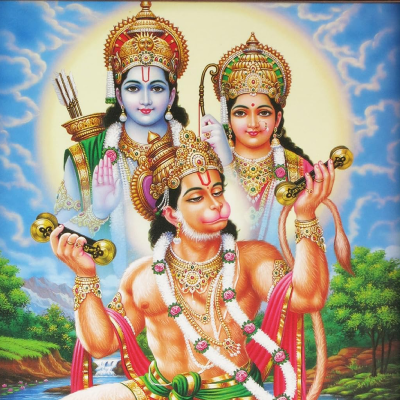
In the North the night recalls Rama's return to Ayodhya with Sita, Lakshmana and Hanuman, after fourteen years of exile and the defeat of Ravana. For trading families it also opens a new financial year. Fresh account books are started in Lakshmi's presence so that the year's business begins with her blessing.
Because the festival falls on Amavasya, the day itself is quiet. Some families also remember their ancestors on this Amavasya, and some fast until dusk. Fireworks, a shared meal and visits to elders follow only after the evening puja.
Other traditions keep the same night. Jains mark the nirvana of Mahavira, the twenty-fourth Tirthankara, with lamps of their own.
The story of Diwali
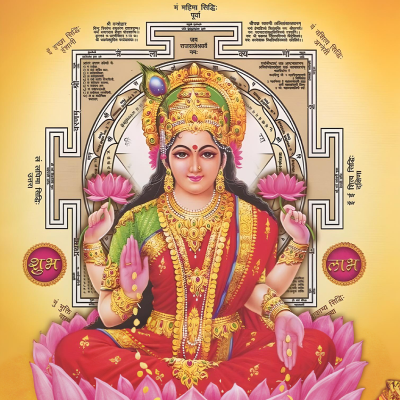
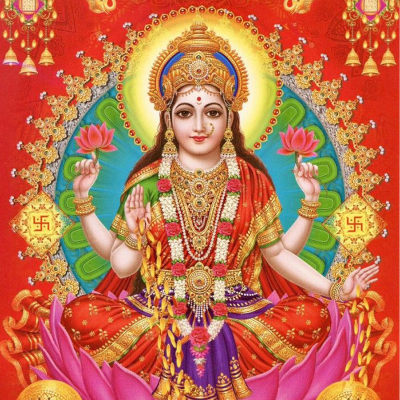
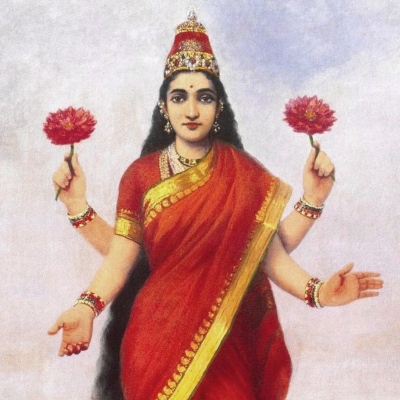
When the ocean of milk was churned, Lakshmi rose from it and chose Vishnu as her consort. Popular tradition places their union on the Diwali night. The puja therefore welcomes her both as Vishnu's bride and as the giver of plenty to any home that is clean, lit and ready.
The Ramayana thread runs alongside it. After Ravana fell, Rama came home to Ayodhya, and in the popular telling the city lit rows of lamps to greet its king. That welcome is what many families have in mind when they set diyas along the threshold.
How to do Diwali puja at home
- Prepare the home Clean the house, draw a rangoli at the entrance and hang a toran of marigold and mango leaves. Some families also place a kalash at the door.
- Keep the day Some fast until the evening puja, taking fruit or milk if a full fast is hard. Anyone unwell, pregnant or on regular medication should eat normally.
- Set up the altar Cover a raised stool with a red cloth and place Lakshmi and Ganesha on it. Keep a kalash of water with mango leaves and a coconut beside them, along with coins, jewellery and, for traders, the new account books, pen and inkpot.
- Take the sankalp When the muhurat shown above begins, wash and sit facing the altar. Purify yourself with a few drops of water and state your sankalp for the family's wellbeing.
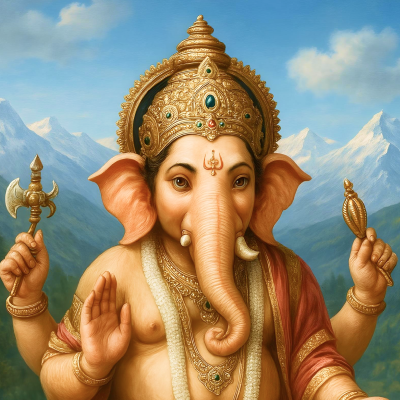
- Worship Ganesha Worship Ganesha first with water, kumkum, akshat (unbroken rice), durva grass and flowers, and offer a laddoo or other sweet.
- Worship Lakshmi Offer water for her feet and bathe a murti in panchamrit, or sprinkle a few drops on a picture. Then offer a red cloth, kumkum, akshat, flowers, incense and a ghee lamp. Recite her names or the Shri Suktam if you know it.
- Worship the books and the safe Traditional households honour the pen and inkpot, worship Saraswati in the new ledger and Kubera in the cash box or safe. Others simply place the household's savings before Lakshmi.
- Light the row of lamps Use the altar lamp to light the other diyas, then set them along the threshold, windows, balconies and roof edge. This lamp-lighting step is called Deepmalika puja.
- Aarti and prasad Sing the Lakshmi aarti, offer sweets, kheel (puffed rice), batashas and fruit, and ask forgiveness for any mistakes. Share the prasad with the family.
- Keep the lamp through the night Top up the altar lamp so it lasts until morning, and read Lakshmi stotras for part of the night if you can. Never leave flames unattended near curtains or where children play.
Diwali puja samagri
- Lakshmi and Ganesha murtis or pictures
- Wooden stool and a red cloth
- Kalash with water, mango leaves and a coconut
- Panchamrit: milk, curd, ghee, honey and sugar
- Kumkum, turmeric and sandalwood paste
- Akshat (unbroken rice)
- Lotus or marigold flowers and garlands
- Durva grass, bilva and tulsi leaves
- Incense sticks and camphor
- A large ghee lamp for the altar
- Earthen diyas, oil and cotton wicks for the house
- Kheel, batashas, sweets and fruit for naivedya
- Sugarcane
- Betel leaves, supari and cardamom
- Coins, jewellery or cash for the puja
- New account books, pen and inkpot (for traders)
- Marigold and mango-leaf toran
- Rice flour and colours for rangoli
Regional traditions
- Gujarat
- Business families perform Chopda Pujan, opening new account books before Lakshmi. The Gujarati new year begins on the Pratipada that follows.
- Maharashtra
- Lakshmi Pujan is done in the evening. Diwali Padwa, or Bali Pratipada, follows, usually the next day. It remembers King Bali and honours the bond between husband and wife.
- Tamil Nadu
- The main celebration, with the dawn oil bath, new clothes and crackers, falls on Naraka Chaturdashi morning. Some Tamil families keep a nombu (vow) and perform Lakshmi puja.
- Karnataka
- Deepavali begins with the oil bath on Naraka Chaturdashi and runs to Bali Padyami, when in many villages cattle are decorated and worshipped.
- Nepal
- The festival is Tihar, and its Lakshmi Puja day is also known as Gai Tihar.
The five days of Diwali
Diwali runs from the thirteenth day of the dark fortnight to the second day of the bright one. When a tithi begins or ends during the day, two observances can share one date. Our article on the five days of Diwali covers each one separately.
- Dhanteras: families buy metal and other new things for the home, worship Lakshmi, Kubera and Dhanvantari, and set a lamp outside for Yama.
- Naraka Chaturdashi (Choti Diwali): an oil bath before sunrise recalls Krishna's victory over Narakasura. In Tamil Nadu this morning is Deepavali itself; in Karnataka and Goa it opens the festival.
- Lakshmi Puja: the new-moon night and the main day. Lakshmi and Ganesha are worshipped in the evening and the whole house is lit, while Bengal, Odisha and Assam worship Kali.
- Govardhan Puja (Annakut): Krishna is honoured with a hill of food and a model of Govardhan. The same day is Bali Pratipada and, in Gujarat, the new year.
- Bhai Dooj: sisters apply a tilak to their brothers, perform aarti and feed them, remembering Yamuna's welcome to her brother Yama.
Diwali in Bengal: Kali Puja
Across Bengal, Odisha, Assam and Tripura, Diwali's new-moon night is given to Kali, worshipped as Shyama in a puja that runs deep into the night. Families and neighbourhood committees set up clay images of the goddess. Red hibiscus is her flower, and rice, lentils and sweets are offered to her.
On Bhoot Chaturdashi, usually the evening before, families light fourteen lamps for the fourteen forefathers of the family.
Kali was not always the goddess of this night in Bengal. Older accounts describe Lakshmi worship, lamps and fresh account books instead. Kali Puja on Diwali spread from the middle of the eighteenth century under royal patrons such as Raja Krishnachandra of Nadia. It became a mass public festival only in the last hundred years.
The two worships still stand close together. At Kalighat in Kolkata, Lakshmi is worshipped alongside Kali on this night.
Diwali dates
| Day | Date |
|---|---|
| Friday | 29 October 2027 |
Celebrate Diwali with Dharmayana

Festival Pooja & Pandit Booking
Want a Pandit-led pooja for this festival at home, or online if you live abroad? Dharmayana connects you with verified Pandits for all major Hindu festivals — Diwali, Navratri, Shivratri, Janmashtami, Ganesh Chaturthi and more.
You can book:
- Festival pooja at home with a verified Pandit
- Online / virtual pooja with live video and digital prasad
- Same-day sankalp for time-sensitive festivals
Bookings, samagri lists and Pandit assignment are all handled inside the Dharmayana app — choose the festival, pick a date and the rest is taken care of.

Prarthana, Mantras & Vrat Katha
Every festival has its own prarthanas, stotras and vrat kathas. Reading or listening to them on the festival day is the simplest way to observe the tradition at home.
Inside the Dharmayana app you can listen to:
- 1000+ prarthanas, mantras and stotras with clear audio
- Festival-specific kathas — Lakshmi, Durga, Shiva, Ganesha, Krishna
- Multilingual versions: Sanskrit, Hindi, Tamil, Telugu, Kannada and more
Browse the full collection of prarthanas or get the app to play them on the festival morning without ads.

Festival Date, Tithi & Muhurat
Hindu festivals are tied to a specific Tithi, not a fixed date — so the day shifts every year and even varies slightly across cities.
Open the Panchanga for the festival day to see the exact Tithi, Nakshatra, Yoga, Karana and Shubh Muhurat for pooja in your location.
The Dharmayana app keeps track of all upcoming festivals on the Hindu calendar and reminds you in advance.

Personalised Astrology Around Festivals
Festivals are also a good time to look at your kundali — many families plan sankalp, donations or new beginnings around them.
Inside the app you can:
- Generate your personal Vedic kundali
- Talk to a Jyotisha for guidance around career, relationships or health
- Run kundali matching before fixing a marriage during the festival season
All of this is available inside the Dharmayana app — no fixed schedule, use it whenever you need it.
Read more
Frequently Asked Questions
What are the Diwali 2027 timings?
Pradosh Kaal: 5:47 PM – 7:06 PM. Times are in IST for Ujjain.
Which gods are worshipped in Diwali Lakshmi Puja?
Lakshmi and Ganesha are the main deities, with Ganesha worshipped first. Traditional households also honour Saraswati in the account books and Kubera in the safe.
Can Lakshmi Puja be done at home without a pandit?
Yes. A clean altar, a sankalp, worship of Ganesha and then Lakshmi with flowers, a lamp and sweets, and an aarti make a complete puja. Doing it with care during the muhurat matters more than knowing every mantra.
Should the Diwali lamp burn all night?
The tradition is to keep the altar lamp burning until morning, so Lakshmi finds the home lit. Use a large lamp with enough ghee or oil, set it on a metal plate and keep it away from cloth. Many families also read Lakshmi stotras for part of the night.
Why is Deepavali celebrated on Naraka Chaturdashi in Tamil Nadu?
Tamil Nadu and much of the South centre Deepavali on Krishna's victory over Narakasura, which is remembered on the morning of Naraka Chaturdashi. The dawn oil bath, new clothes and crackers all happen then. That morning usually comes a day before the North Indian Diwali night, though in some years the two fall on the same date. Lakshmi puja on the new-moon evening is kept by some families too.
Why do traders worship new account books on Diwali?
For many merchant communities, especially in Gujarat, Diwali begins the business year. New ledgers are opened and worshipped before Lakshmi in a ritual called Chopda Pujan, so that every entry of the year starts under her blessing.
Is fasting compulsory on Diwali?
No. Some devotees fast until the evening puja, either fully or with fruit and milk, but it is a personal vow. Children, elders and anyone unwell should eat normally and can still do the puja.
When is Diwali in 2027?
Diwali 2027 falls on Friday, 29 October 2027. Amavasya tithi runs from 08:48 PM, 28 Oct to 07:06 PM, 29 Oct IST, as calculated for Ujjain. Times shift by a few minutes for other cities.
What is Diwali?
Diwali falls on Kartika Amavasya — the year's darkest night — chosen because Lakshmi, born from the churning of the ocean, is said to wander the earth then. Lamps mark a path to the door; the Lakshmi Puja is timed to Pradosh in the fixed Vrishabha Lagna so she lingers.
Why is Diwali observed?
The five days knit together separate myths. Dhanteras honours Dhanvantari, who rose from the same churning holding the pot of amrita, which is why people buy metal — a vessel for that prosperity. Naraka Chaturdashi recalls Krishna's killing of the demon Narakasura; the defining ritual is a pre-dawn oil bath (Abhyanga Snan) with sesame-oil ubtan. Amavasya night is Lakshmi Puja in most of India, but in Bengal, Odisha and Assam the same night is Kali Puja — Kali, who in the Devi Mahatmya emerges from Durga's brow to slay Raktabija. Govardhan Puja marks Krishna lifting the hill; it is also Gujarati New Year. Bhai Dooj closes the cycle with sisters tying their brothers to long life. Sikhs observe the same night as Bandi Chhor Divas, when Guru Hargobind walked free from Gwalior Fort.
What are the other names for Diwali?
Diwali is also known as Deepavali and Laxmi Puja.
Which prarthanas are recited on Diwali?
Laxmi Ashtakshara Mantra, Laxmi Stotra, Ram Stuti and Ganapati Vandana are recited on Diwali. You can listen to them with audio on this page.
Book Pandit & Festival Pooja
on the Dharmayana App
Book Diwali Pooja on the Dharmayana App
Verified Pandits, prarthanas with audio and accurate Panchanga, all in one place.