The Five Days of Diwali: Each Day's Purpose and Practice
Light Returns in Five Sacred Steps

Kushal K
16 Oct 2026 • 6min
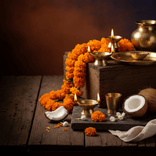
Diwali unfolds over five days, not just one night. Each day has its own name, rituals and purpose within the larger festival of lights. Understanding the five days helps you engage with the celebration more fully, whether you observe all of them or focus on the customs that matter most to you.
The festival follows the lunar calendar, so the dates shift each year. Generally, Diwali falls somewhere between mid-October and mid-November. Each of the five days is tied to a particular story from Hindu scripture and tradition, and each one shapes how people prepare their homes, their finances, their relationships and their devotion.



Day One: Dhanteras
The festival begins with Dhanteras, the day of wealth. *Dhan* means wealth, and *teras* means the thirteenth lunar day. This is when people traditionally purchase new metal vessels, especially utensils and jewellery made of gold or silver. The belief is that buying precious metals on this day brings prosperity into the home.
Dhanteras also honours Kuber, the deity of wealth, and Lakshmi, the goddess of prosperity. Many people light lamps in the kitchen or the place where they keep money, and some make small offerings of flowers and sweets. The day sets the tone for Diwali: it is about welcoming abundance and preparing yourself and your home to receive it.
Day Two: Naraka Chaturdashi
The second day is called Naraka Chaturdashi or Chhoti Diwali—the day of release from darkness. *Naraka* refers to a demon from Hindu mythology, and *chaturdashi* means the fourteenth lunar day. The story tells that on this day, Lord Krishna defeated the demon Naraka, freeing thousands of people from imprisonment.
This day is darker than Dhanteras in its narrative. It represents the triumph of light over evil, of good over harm. Some families wake before dawn to apply oils and perfumes, bathe, and clean their homes. This ritual bath is said to wash away negativity and past wrongs. The day reminds you that every cycle brings an opportunity to start fresh.
Day Three: Lakshmi Puja
The central day of Diwali is Lakshmi Puja, the worship of Lakshmi herself. This is the new moon night, the darkest night of the lunar cycle. Rather than the darkness being empty, it is full of possibility—the moment just before light returns.
On this evening, homes are lit with oil lamps called diyas. Families gather to perform puja, an act of worship that focuses the mind and the home's energy toward Lakshmi. The puja typically includes offerings of flowers, incense, sweets and fruit. Many businesses close their accounts for the year on this night and begin fresh ones the next day, inviting Lakshmi's blessing on the year ahead. For many people, this is the heart of Diwali—the night when the home feels most luminous and most sacred.
Day Four: Govardhan Puja
The day after Lakshmi Puja is Govardhan Puja, also called Annakut. This day honours Lord Krishna and commemorates the moment when he lifted Govardhan Mountain with one finger to protect his people and their cattle from a great storm.
On this day, people make small mounds of cow dung or flour and circle them with flowers and lamps. Some families prepare a large meal of grains, lentils and vegetables as an offering—*annakut* means "mountain of food". The ritual expresses gratitude for the earth's abundance and protection, and for Krishna's care for all living beings. In many regions, this is the day when farmers and herders particularly celebrate, as it is tied closely to cattle and the land.
Day Five: Bhai Dooj
The fifth day of Diwali is Bhai Dooj—the day of the bond between brother and sister. On this day, sisters apply a tilak (a mark) on their brothers' foreheads as a blessing, and brothers give gifts or money in return. The ritual renews the relationship between siblings and asks for each other's wellbeing.
The day draws from the story of Krishna and his sister Subhadra, though the custom is practised across Hindu families whether or not they are directly connected to Krishna. In modern times, when siblings live far apart, some families observe Bhai Dooj over video calls. The day closes Diwali with a focus on human relationships and the bonds of family that sustain us through life.
How the Five Days Fit Together
Each day has its own energy and meaning, yet they form one continuous arc. You move from preparing for prosperity (Dhanteras), through releasing what no longer serves you (Naraka Chaturdashi), to inviting the goddess into your home at the deepest point of darkness (Lakshmi Puja), then expressing gratitude for protection and abundance (Govardhan Puja), and finally tending to the relationships that hold you steady (Bhai Dooj).
Many people observe all five days fully. Others focus on the days that feel most alive to them—Lakshmi Puja is the most widely marked across India. Some regions have their own variations or emphasise certain days more than others. There is no single "right" way to mark the five days. The point is to be intentional about which ones you choose and why, and to let them guide you through a time of inner and outer renewal.
Common questions
What is the exact date of the five days of Diwali?
The five days fall on different dates each year because Diwali follows the lunar calendar. Lakshmi Puja, the main day, occurs on the new moon night. To find this year's dates, check a Hindu panchanga (calendar) or the Dharmayana festival calendar.
Can I observe only one or two of the five days?
Yes. While the five days form a complete cycle, many people focus on the ones that fit their schedule or tradition. Lakshmi Puja is the most widely celebrated day across India, and many families mark that one fully and observe the others in simpler ways.
What is the difference between Naraka Chaturdashi and Lakshmi Puja?
Naraka Chaturdashi (the second day) is about defeating darkness and renewing yourself through ritual bathing and home cleansing. Lakshmi Puja (the third day) is about inviting prosperity and abundance into your home on the new moon night. Together they show the journey from release to reception.

Related Articles