



Naraka Chaturdashi 2026 is on Sunday, 8 November 2026. Chaturdashi tithi begins at 10:48 AM IST on 7 Nov and ends at 11:28 AM IST on 8 Nov. Chaturdashi is the tithi at sunrise on 8 Nov.
| Abhyang Snan | 5:39 AM – 6:36 AM |
|---|---|
| Times for | Ujjain (IST) |
On this page: significance · the story · puja at home · samagri · regional traditions · Regional names · Abhyang Snan · dates · prarthanas and mantras with audio · questions about Naraka Chaturdashi
Naraka Chaturdashi 2026: 7 or 8 Nov?
Naraka Chaturdashi 2026 is on Sunday, 8 November. Abhyang Snan is taken before sunrise, from moonrise, while Chaturdashi tithi is running. In Ujjain, Chaturdashi runs from 10:48 AM, 7 Nov to 11:28 AM, 8 Nov, so this window falls on the morning of 8 Nov.
Chaturdashi
Amavasya

Significance of Naraka Chaturdashi
Naraka Chaturdashi falls on the fourteenth day of the dark fortnight. In most years it is the day before Lakshmi Puja, though in some years the two fall on the same date. Its name joins naraka, the realm of suffering after death, with chaturdashi, the fourteenth. Nearly everything done on this day asks for release from that suffering, for oneself and for one's ancestors.
The morning belongs to the oil bath and the evening to lamps. In between, families make sweets, visit relatives and ready the house for the main night of Diwali. In Karnataka and Goa the morning bath opens the festival.
The day also looks towards the departed and towards Yama. Some families pray for their ancestors and light lamps to show them the way. After the bath many offer water to Yama while reciting his names, and on the evening of Chaturdashi a lamp is set out for him. The prayer echoes the Dhanteras lamp: protection from an untimely death and from the fear of naraka.
The story of Naraka Chaturdashi
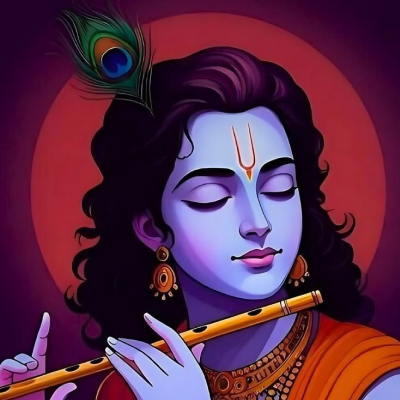
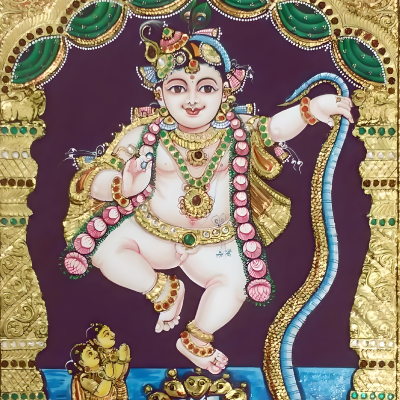
Narakasura was an asura king who grew arrogant with power and tormented gods and people alike. Among his crimes, he held sixteen thousand women captive. Krishna went to war against him with Satyabhama at his side, and Narakasura was killed on this chaturdashi.
The captives were set free. Afterwards Krishna visited his sister Subhadra, who welcomed him with sweets, flowers and a tilak, and some trace Bhai Dooj to that visit.
How to do Naraka Chaturdashi puja at home
- Prepare the night before Set out sesame oil, ubtan (a herbal paste usually made with gram flour), and clean or new clothes. Many Madhwa and other South Indian homes also decorate the vessel of bath water.
- Wake before sunrise Rise during the muhurat shown above, while it is still dark and the chaturdashi is running. Light a lamp before the family deity.
- Oil massage Rub warm sesame oil into the scalp and body. In many South Indian homes, oil first offered to the deity is applied to each family member's head, and the eldest bathes first.
- Ubtan and apamarga Apply the ubtan. Some families pass a sprig of apamarga (prickly chaff flower) around the head while bathing, praying that sins and the fear of naraka be removed.
- Finish the bath before sunrise Wash with warm water, finish before the sun is up, and change into new or freshly washed clothes.
- Offer tarpan to Yama Face south and offer water from your palms while reciting Yama's names, such as Yama, Dharmaraja, Mrityu and Chitragupta, each three times. Some also offer water to Bhishma. Families differ on whether to add rice or sesame, so follow your own custom.
- Morning puja Worship Krishna with flowers, incense and a lamp, and offer sweets. Some families also offer Hanuman a coconut with a prasad of sesame, jaggery and poha, or worship their kula devi (family goddess).
- Kajal and the day's sweets In some regions kajal is applied to the eyes after the bath, in the belief that it wards off the evil eye. The rest of the day goes into making sweets and visiting relatives before Diwali night.
- Evening lamp for Yama On the evening of Chaturdashi, as your family's panchang indicates, light a four-wick diya outside the house for Yama. The four wicks are said to stand for dharma, artha, kama and moksha.
- Light the rest of the home Light diyas in the kitchen, near the water source, in the cowshed if you have one, and in dark corners. Keep every flame away from fabric and out of children's reach.
Naraka Chaturdashi puja samagri
- Sesame oil, warmed
- Ubtan of gram flour and herbs
- A sprig of apamarga
- Warm water and a clean bathing vessel
- New or freshly washed clothes
- A small lamp for the altar
- Copper vessel of water for tarpan
- Sesame seeds or akshat for tarpan, as per family custom
- A four-wick earthen diya for Yama
- Earthen diyas, oil and cotton wicks
- Picture or murti of Krishna
- Flowers, incense sticks and camphor
- Sweets and poha dishes for naivedya
- A coconut for Hanuman, in families that offer it
Regional traditions
- Goa
- Neighbourhoods build towering Narakasura effigies and burn them before dawn. Back home, families bathe, crush a bitter kareet underfoot for the demon's defeat, and eat poha in several styles.
- Tamil Nadu
- This morning is Deepavali itself. Oil offered to the deity is applied before a pre-dawn bath often called Ganga snanam. New clothes and crackers follow, and in some homes marundu, a medicinal preparation made on Dhanteras, is eaten before sunrise.
- Karnataka and Maharashtra
- Deepavali opens with the early oil bath, aarti and crackers, and continues through to Bali Padyami or Padwa.
- North India
- As Roop Chaudas, women bathe before sunrise with ubtan, for beauty and cleansing.
- Gujarat
- Hanuman is worshipped for protection from spirits, which are believed to roam on Kali Chaudas night.
- Bengal
- The day is Bhoot Chaturdashi. Families set fourteen lamps around the home for the family's forefathers, leaving no corner dark.
Regional names
The same tithi carries different names, and sometimes different observances, across India. Kali Chaudas in particular is fixed by midnight rather than sunrise, so it can fall a day before the oil bath.
- Choti Diwali: the small Diwali, usually the eve of the main night, the usual name across North India.
- Roop Chaudas or Roop Chaturdashi: the name for the beauty bath with ubtan in parts of North India.
- Narak Chaudas or Narak Nivaran Chaturdashi: names that stress release from naraka.
- Kali Chaudas: in Gujarat and Rajasthan, the name for the day and its night worship.
- Bhoot Chaturdashi: in Bengal, the night before Kali Puja.
- Deepavali Bhogi: a name used in parts of the South.
Abhyang Snan
Abhyang means anointing with oil, and snan means bath. The rule lies in the timing: the bath is taken while the moon is still in the sky and before sunrise, during the chaturdashi tithi.
Sesame oil is the traditional choice, worked into the scalp and body before the ubtan and a warm wash. The tradition holds that this bath spares a person from naraka. Many families also say the ubtan keeps poverty and misfortune away.
What follows the bath is part of the custom. Family members put on new clothes, and in many southern and Goan homes the women perform aarti for the rest of the family. A temple visit and a large breakfast shared with relatives usually round off the morning.
Many Madhwa families light a lamp before the deity in the early hours and offer an archana with the Keshava names before anyone bathes. In a year of mourning some families skip new clothes and sweets, but still take the oil bath and make the offering to the deity.
An oil bath is recommended on the Amavasya and the Pratipada of Diwali too, but the chaturdashi bath is held to be the most important of the three. Elderly or unwell family members can keep it simple: a little oil on the scalp and a warm wash is enough.
Naraka Chaturdashi dates
| Day | Date |
|---|---|
| Sunday | 8 November 2026 |
| Thursday | 28 October 2027 |

Celebrate Naraka Chaturdashi (Choti Diwali) with Dharmayana

Festival Pooja & Pandit Booking
Want a Pandit-led pooja for this festival at home, or online if you live abroad? Dharmayana connects you with verified Pandits for all major Hindu festivals — Diwali, Navratri, Shivratri, Janmashtami, Ganesh Chaturthi and more.
You can book:
- Festival pooja at home with a verified Pandit
- Online / virtual pooja with live video and digital prasad
- Same-day sankalp for time-sensitive festivals
Bookings, samagri lists and Pandit assignment are all handled inside the Dharmayana app — choose the festival, pick a date and the rest is taken care of.

Prarthana, Mantras & Vrat Katha
Every festival has its own prarthanas, stotras and vrat kathas. Reading or listening to them on the festival day is the simplest way to observe the tradition at home.
Inside the Dharmayana app you can listen to:
- 1000+ prarthanas, mantras and stotras with clear audio
- Festival-specific kathas — Lakshmi, Durga, Shiva, Ganesha, Krishna
- Multilingual versions: Sanskrit, Hindi, Tamil, Telugu, Kannada and more
Browse the full collection of prarthanas or get the app to play them on the festival morning without ads.

Festival Date, Tithi & Muhurat
Hindu festivals are tied to a specific Tithi, not a fixed date — so the day shifts every year and even varies slightly across cities.
Open the Panchanga for the festival day to see the exact Tithi, Nakshatra, Yoga, Karana and Shubh Muhurat for pooja in your location.
The Dharmayana app keeps track of all upcoming festivals on the Hindu calendar and reminds you in advance.

Personalised Astrology Around Festivals
Festivals are also a good time to look at your kundali — many families plan sankalp, donations or new beginnings around them.
Inside the app you can:
- Generate your personal Vedic kundali
- Talk to a Jyotisha for guidance around career, relationships or health
- Run kundali matching before fixing a marriage during the festival season
All of this is available inside the Dharmayana app — no fixed schedule, use it whenever you need it.
Read more
Frequently Asked Questions
Why is Naraka Chaturdashi called Choti Diwali?
In most years it falls the day before Lakshmi Puja, the main night of Diwali, and lamps and crackers begin on a smaller scale. Hence the name small Diwali. In some years, when Chaturdashi and Amavasya meet on one date, it falls on the same day as Lakshmi Puja.
Is Kali Chaudas the same as Naraka Chaturdashi?
They share the chaturdashi tithi but are separate observances. Kali Chaudas, kept mainly in Gujarat, is fixed by the tithi at midnight, while the Naraka Chaturdashi bath is fixed by the tithi before sunrise. So they can fall on the same day or on two days in a row.
Who killed Narakasura?
Krishna, with Satyabhama fighting at his side. The victory freed sixteen thousand women Narakasura had held captive, and the day is remembered as Naraka Chaturdashi.
Can the Abhyang Snan be taken after sunrise?
The observance is specifically a pre-dawn bath during the chaturdashi, and that is when it carries its traditional merit. If you miss it, an early oil bath and a prayer to Krishna are still a good way to keep the day.
Which oil is used for the Naraka Chaturdashi bath?
Sesame (til) oil is the traditional choice, warmed and massaged into the scalp and body. Some families use medicinal oils, and in many South Indian homes the oil is first offered to the deity.
Is Naraka Chaturdashi Deepavali in Tamil Nadu?
Yes. Tamil Nadu traditionally celebrates Deepavali on the morning of Naraka Chaturdashi, with the oil bath, new clothes and crackers. Much of the rest of India celebrates on the Amavasya night that follows.
When is Naraka Chaturdashi in 2026?
Naraka Chaturdashi 2026 falls on Sunday, 8 November 2026. Chaturdashi tithi runs from 10:48 AM, 7 Nov to 11:28 AM, 8 Nov IST, as calculated for Ujjain. Times shift by a few minutes for other cities.
What is Naraka Chaturdashi?
The pre-dawn oil bath, not the night fireworks, is the heart of this day. Krishna himself bathed in oil at Brahma Muhurta after killing the demon Narakasura, and devotees repeat that bath before sunrise — believed to spare the bather from Naraka (hell), the very word the festival is named after.
Why is Naraka Chaturdashi observed?
The bath has rules. Sesame (til) oil is rubbed in as ubtan during the Abhyang Snan, and the wash happens before sunrise — which is why Maharashtra simply calls the day Abhyang Snan. The same name Roop Chaturdashi points to a second belief: the oil-and-paste rub restores 'roop' (beauty and lustre) lost in the fight. Regional split matters. In Tamil Nadu and most of South India, this day is Deepavali itself — the main festival, not a 'small' one. In Bengal, Odisha and Assam, Kali Puja (also called Shyama Puja) is held at midnight, but one day later, on Amavasya. Gujarat's Kali Chaudas — Bhut Chaturdashi — is timed to Maha Nishita (deep midnight) and involves offerings to the Goddess of darkness and Veer Vetal, sometimes at cremation grounds — a very different mood from the dawn bath.
What are the other names for Naraka Chaturdashi?
Naraka Chaturdashi is also known as Choti Diwali, Kali Chaudas, Narak Chaudas, Roop Chaudas, Roop Chaturdashi and Tamil Deepavali.
Which prarthanas are recited on Naraka Chaturdashi?
Krishna Ashtakam, Maha Mrityunjaya Mantra, Krishna Ashtakshari Mantra and Krishnaya Vasudevaya - Shloka are recited on Naraka Chaturdashi. You can listen to them with audio on this page.
Book Pandit & Festival Pooja
on the Dharmayana App
Book Naraka Chaturdashi Pooja on the Dharmayana App
Verified Pandits, prarthanas with audio and accurate Panchanga, all in one place.


