



Somavati Amavasya 2026 is on Monday, 9 November 2026. Amavasya tithi begins at 11:28 AM IST on 8 Nov and ends at 12:32 PM IST on 9 Nov. Amavasya is the tithi at sunrise on 9 Nov.
| Amavasya begins / ends | 11:28 AM, 8 Nov – 12:32 PM, 9 Nov |
|---|---|
| Snan-daan, 9 Nov | 6:41 AM – 12:32 PM |
| Times for | Ujjain (IST) |
On this page: significance · the story · puja at home · samagri · regional traditions · Peepal tree puja · dates · prarthanas and mantras with audio · questions about Somavati Amavasya
Amavasya
Pratipada

Significance of Somvati Amavasya
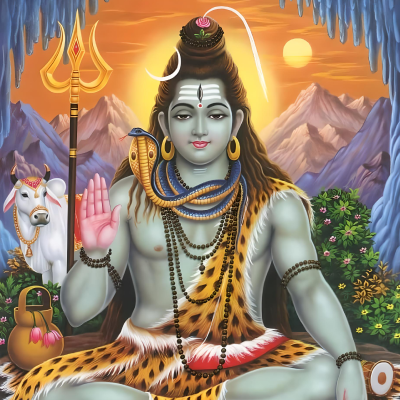
Somvati Amavasya is the new moon that falls on a Monday. Monday is Shiva's day and Amavasya belongs to the ancestors, so the two together make a day that is kept for Shiva, for the family's forebears and for the peepal tree. Because the tithi has to land on a Monday, it comes only once or twice in most years, and families plan for it.
The day is best known as a vrat for married women, who fast and worship the peepal tree for their husband's long life and health. In spirit it is close to Vat Purnima, where the banyan is worshipped for the same prayer. Unmarried girls and childless couples also keep the fast in some families, and anyone may keep the day for Shiva and the ancestors.
A bath in a sacred river is counted as especially meritorious on this day. Large crowds bathe at Haridwar, Varanasi and the Sangam at Prayag, and families at home add Ganga jal to their bathing water. Tarpan for the ancestors and charity complete the day.
The story of Somvati Amavasya
Tradition says the merit of this day was explained by Bhishma to Yudhishthira after the Kurukshetra war. Worried for the future of his family line, Yudhishthira asked how it could be renewed, and Bhishma told him of the Monday new moon vrat and the river bath that goes with it.
The katha told at the peepal tree is a folk story, and its details vary. A young woman of a respected family was told by a sage that marriage was not written in her fate, or in some versions that she would be widowed. The sage sent her to serve a devout washerwoman named Soma, also called Sona. Every morning, before anyone woke, the girl quietly did the washerwoman's housework.
When Soma found out who had been helping her, she was moved and gave the girl her blessing as a married woman. In one telling this blessing cost Soma her own husband, and she went straight to the peepal tree she worshipped daily. With nothing else to offer, she walked around it 108 times, and her husband was restored to life. Married women repeat her parikrama on this day.
How to do Somvati Amavasya puja at home
- Bathe before sunrise Bathe in a river if you can, or add Ganga jal to your bathing water.
- Offer water to the Sun Offer arghya to Surya from a copper lota, facing the rising Sun.
- Take the sankalp At the altar, state your name and purpose: a husband's long life, the health of a family member, or the peace of the ancestors.
- Worship Shiva Offer water, milk and bel leaves to a Shivalinga at home or at a nearby temple while chanting Om Namah Shivaya.
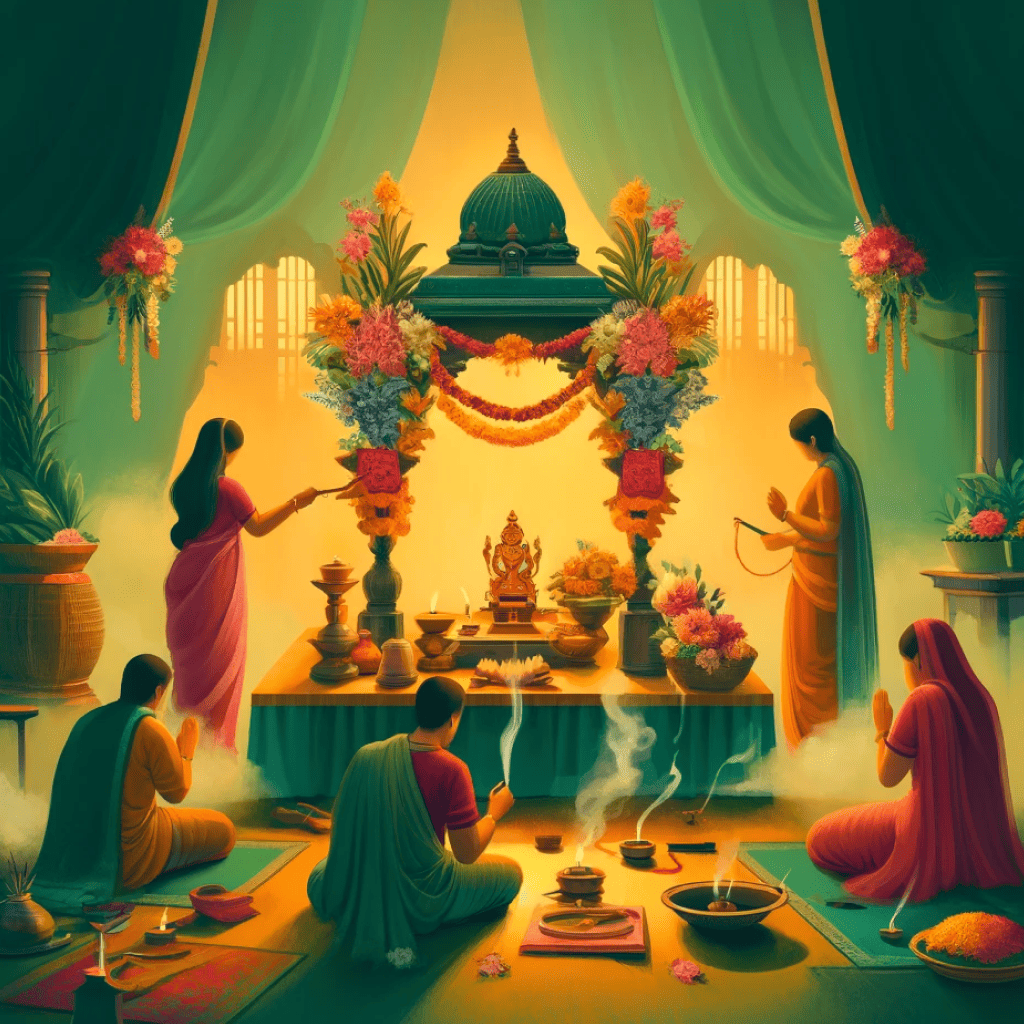
- Worship the peepal tree At the root, offer water, raw milk, roli, sandalwood, akshat, flowers and black sesame. Light a ghee lamp beside the tree.
- Do the parikrama Walk around the tree, winding raw cotton thread or moli around the trunk as you go. The custom is 108 rounds, offering a fruit, flower or sweet with each; if that is too many, complete what you can with devotion.
- Hear the katha and do aarti Sit near the tree or at home, read or listen to the Somvati Amavasya katha, and finish with aarti.
- Remember the ancestors If your father is no longer living, pour water with black sesame for the ancestors as your family does it. Many families also set out food for crows.
- Give daan Share food, clothes or grain with those who need them. Married women often give bangles and bindi to other women, and some add sindoor.
- Break the fast Break the fast after the puja with fruit or a simple vegetarian meal. Anyone unwell, pregnant or elderly should not keep a strict fast.
Somvati Amavasya puja samagri
- Copper lota and clean water
- Ganga jal
- Raw milk
- Roli or kumkum
- Sandalwood paste
- Akshat (unbroken rice)
- Flowers
- Black sesame (til)
- Raw cotton thread or red and yellow moli
- Fruits, flowers or sweets for each round of the parikrama
- Ghee diya and cotton wicks
- Incense sticks
- Bel leaves for Shiva
- Bangles and bindi for suhaag daan
- Grain or clothes for daan
Regional traditions
- Haridwar
- Hundreds of thousands of pilgrims bathe at Har Ki Pauri and the other Ganga ghats from early morning, then offer tarpan and charity on the bank.
- Varanasi and Prayag
- Pilgrims bathe at the ghats and at the Sangam at dawn.
- North India
- Married women gather at a peepal tree in the neighbourhood or a temple courtyard, wind thread around the trunk during the parikrama and listen to the katha together.
Peepal tree puja
The peepal, or ashvattha, is worshipped as the dwelling of Brahma, Vishnu and Shiva together. The Padma Purana links it with Vishnu, and in the Bhagavad Gita Krishna uses the image of an ashvattha with roots above and branches below. Many devotees circle a peepal seven times on ordinary mornings; on Somvati Amavasya the count rises to 108.
Choose a tree at a temple or in a clean public place, and go in the morning. Pour water and milk at the root, offer the other items, and light the lamp on the ground where it cannot touch the bark or dry leaves.
As you walk, let the thread unwind around the trunk so that it builds up round by round. Keep count with a small heap of grains or flowers, setting one aside each round. If you cannot reach a peepal tree, worship Shiva and Parvati at home and keep the prayer in mind.
Somvati Amavasya dates
| Day | Date |
|---|---|
| Monday | 9 November 2026 |
| Monday | 8 March 2027 |
| Monday | 2 August 2027 |
| Monday | 27 December 2027 |
Celebrate Somvati Amavasya with Dharmayana

Festival Pooja & Pandit Booking
Want a Pandit-led pooja for this festival at home, or online if you live abroad? Dharmayana connects you with verified Pandits for all major Hindu festivals — Diwali, Navratri, Shivratri, Janmashtami, Ganesh Chaturthi and more.
You can book:
- Festival pooja at home with a verified Pandit
- Online / virtual pooja with live video and digital prasad
- Same-day sankalp for time-sensitive festivals
Bookings, samagri lists and Pandit assignment are all handled inside the Dharmayana app — choose the festival, pick a date and the rest is taken care of.

Prarthana, Mantras & Vrat Katha
Every festival has its own prarthanas, stotras and vrat kathas. Reading or listening to them on the festival day is the simplest way to observe the tradition at home.
Inside the Dharmayana app you can listen to:
- 1000+ prarthanas, mantras and stotras with clear audio
- Festival-specific kathas — Lakshmi, Durga, Shiva, Ganesha, Krishna
- Multilingual versions: Sanskrit, Hindi, Tamil, Telugu, Kannada and more
Browse the full collection of prarthanas or get the app to play them on the festival morning without ads.

Festival Date, Tithi & Muhurat
Hindu festivals are tied to a specific Tithi, not a fixed date — so the day shifts every year and even varies slightly across cities.
Open the Panchanga for the festival day to see the exact Tithi, Nakshatra, Yoga, Karana and Shubh Muhurat for pooja in your location.
The Dharmayana app keeps track of all upcoming festivals on the Hindu calendar and reminds you in advance.

Personalised Astrology Around Festivals
Festivals are also a good time to look at your kundali — many families plan sankalp, donations or new beginnings around them.
Inside the app you can:
- Generate your personal Vedic kundali
- Talk to a Jyotisha for guidance around career, relationships or health
- Run kundali matching before fixing a marriage during the festival season
All of this is available inside the Dharmayana app — no fixed schedule, use it whenever you need it.
Frequently Asked Questions
What are the Somavati Amavasya 2026 timings?
Amavasya begins / ends: 11:28 AM, 8 Nov – 12:32 PM, 9 Nov; Snan-daan, 9 Nov: 6:41 AM – 12:32 PM. Times are in IST for Ujjain.
Is Somvati Amavasya rare?
It happens only when the Amavasya tithi falls on a Monday, which is usually once or twice in a year. That is why it is treated as a special opportunity for the vrat and the river bath.
How many times do you go around the peepal tree on Somvati Amavasya?
The custom is 108 rounds, winding cotton thread or moli around the trunk. If health or time does not allow it, complete as many rounds as you can with devotion.
Can unmarried girls keep the Somvati Amavasya fast?
Yes. Unmarried girls in some families keep the fast praying for a good husband, and childless couples keep it praying for a child. The peepal parikrama itself is mainly done by married women.
Can men observe Somvati Amavasya?
Yes. Men often take the river bath, worship Shiva, offer tarpan to the ancestors and give daan. The women's vrat is one part of the day, not the whole of it.
What should be donated on Somvati Amavasya?
Food, clothes and grain to people in need are the usual gifts. Married women often give bangles and bindi to other women, and some add sindoor. Many families also feed cows and crows.
Can I do the puja if there is no peepal tree nearby?
Yes. Worship Shiva and Parvati at home, offer water to the Sun and give daan. The intention of the vrat matters more than the tree.
When is Somavati Amavasya in 2026?
Somavati Amavasya 2026 falls on Monday, 9 November 2026. Amavasya tithi runs from 11:28 AM, 8 Nov to 12:32 PM, 9 Nov IST, as calculated for Ujjain. Times shift by a few minutes for other cities.
What is Somavati Amavasya?
A new moon that lands on a Monday — Shiva's own weekday — is rare enough that Shaiva temples mark it with a special rite called Amavasya Soma Pradakshinam, circling the lingam in the half-circuit reserved for Shiva. Married women add a thread-tying parikrama around the peepal tree.
Why is Somavati Amavasya observed?
The name joins two words for the Moon-god: Soma is both the Moon and a title of Shiva-with-Uma, so a Monday new moon is read as a double Shaiva alignment. The Skanda Purana traces the Somavara Vrata to the Moon himself — he observed it to recover the 'moonness' he had lost to a curse, and asked Shiva to let any devotee who kept it have their wishes granted. North Indian custom adds a separate ritual: married women circle a peepal tree 108 times, winding raw cotton thread around the trunk, praying for their husband's long life. The day also closes the ancestral cycle — Pitrus are believed to depart after Amavasya, so tarpan with sesame and water is offered at a river before the temple visit.
Which prarthanas are recited on Somavati Amavasya?
Om Namah Shivay and Pitru Devata Mantra are recited on Somavati Amavasya. You can listen to them with audio on this page.
Book Pandit & Festival Pooja
on the Dharmayana App
Book Somavati Amavasya Pooja on the Dharmayana App
Verified Pandits, prarthanas with audio and accurate Panchanga, all in one place.


