

Margashirsha Amavasya 2026: Date & Snan-Daan Time
 8th Dec 2026

Margashirsha Amavasya 2026 is on Tuesday, 8 December 2026. Amavasya tithi begins at 04:13 AM IST on 8 Dec and ends at 06:21 AM IST on 9 Dec. Amavasya is the tithi at sunrise on 8 Dec.
| Amavasya begins / ends | 4:13 AM – 6:21 AM, 9 Dec |
|---|---|
| Snan-daan, 8 Dec | 7:01 AM – 5:38 PM |
| Times for | Ujjain (IST) |
On this page: significance · the story · puja at home · samagri · regional traditions · dates · prarthanas and mantras with audio · questions about Margashirsha Amavasya
Amavasya

Significance of Margashirsha Amavasya
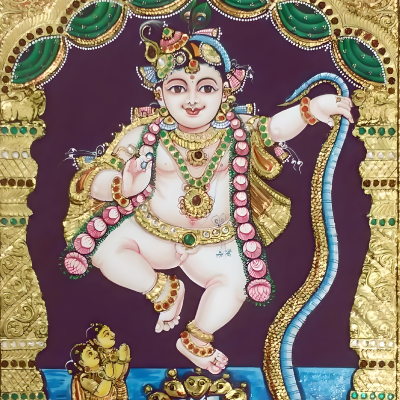
Margashirsha Amavasya is the new moon of the month of Margashirsha. In the Bhagavad Gita, Krishna says that among months he is Margashirsha, so the whole month is held sacred, and its new moon is a day for prayer and remembrance.
Like other Amavasyas, the day is set aside for honouring ancestors. Families offer tarpan of water and sesame, feed brahmins or the poor, and pray for the peace of those who have passed. It is also called Agahan Amavasya in parts of North India.
A morning bath in a sacred river and charity are the main practices. Many also worship Vishnu, Shiva or Lakshmi, and light a lamp under a peepal tree in the evening.
The story of Margashirsha Amavasya
This Amavasya has no single katha of its own. Its importance comes from the month. Krishna's words in the Gita, naming Margashirsha among his own forms, are often quoted for this day.
In old calendars Margashirsha was counted as the first month of the year, the season of the new harvest. Offering the fresh grain and remembering one's ancestors at its new moon follows from that place at the head of the year.
How to do Margashirsha Amavasya puja at home
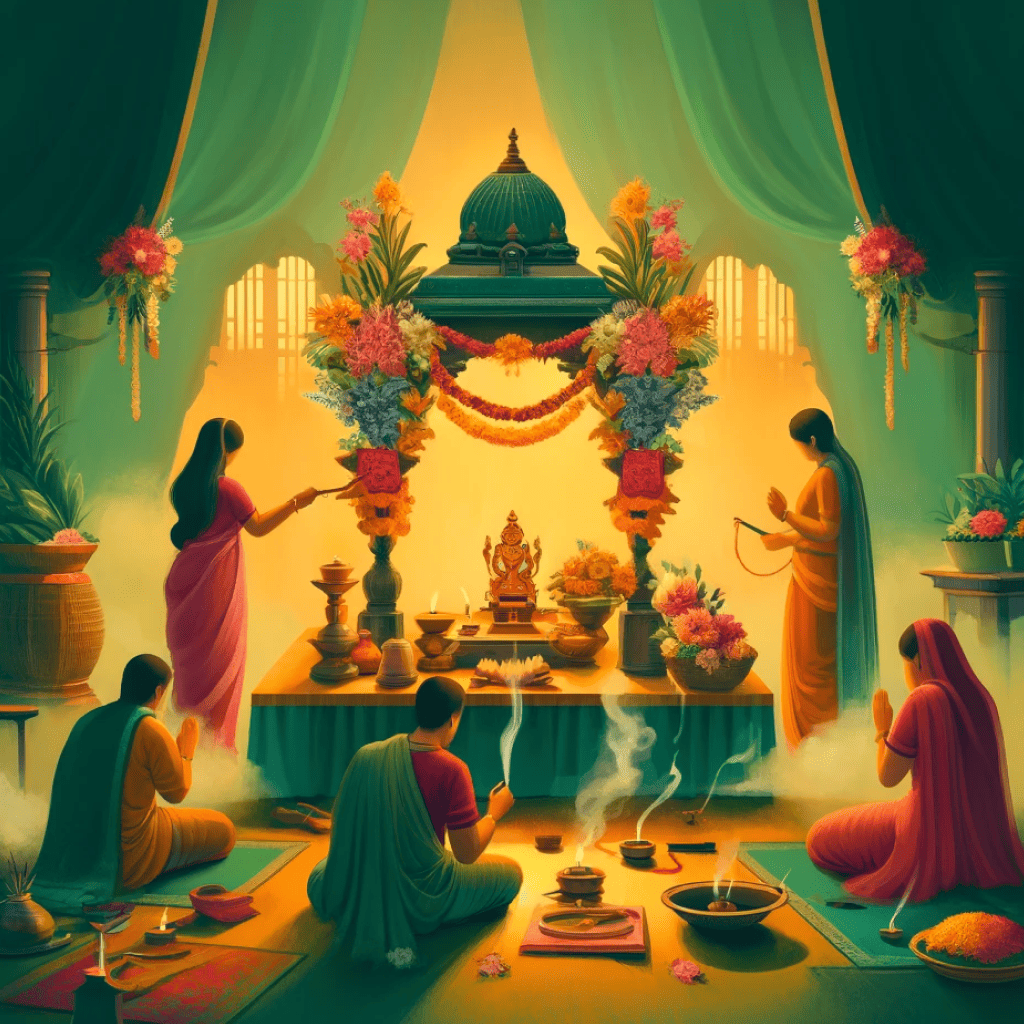
- Take a holy bath Bathe early in a river or with Ganga water added to the bath, during the snan-daan time shown above.
- Offer water to the sun Offer water to the rising sun from a copper pot.
- Offer tarpan Offer water mixed with black sesame to your ancestors, facing south, and remember them by name.
- Worship Vishnu Offer tulsi and a lamp to Vishnu or Krishna and recite a stotra.
- Give daan Give food, warm clothes, sesame or grain to those in need, or feed cows and birds.
- Light a lamp at dusk Light a lamp of sesame oil under a peepal tree or at the door in the evening.
Margashirsha Amavasya puja samagri
- Copper pot for water
- Black sesame
- Kusha grass
- Ganga water
- Tulsi leaves and flowers
- Ghee or sesame oil lamp
- Incense
- Food grains, warm clothes or blankets for daan
Regional traditions
- Varanasi, Prayagraj and Haridwar
- Devotees bathe in the Ganga and offer tarpan on the ghats.
- Gaya
- Families perform pinda daan for ancestors.
- Maharashtra
- Families also observe Thursday Lakshmi pujas through the month, known as Margashirsha Guruvar vrat.
- Odisha
- The month's Thursdays are kept for Lakshmi as Manabasa Gurubar, and the new moon is marked with prayer and charity.
Margashirsha Amavasya dates
| Day | Date |
|---|---|
| Tuesday | 8 December 2026 |
| Sunday | 28 November 2027 |
Celebrate Margashirsha Amavasya with Dharmayana

Festival Pooja & Pandit Booking
Want a Pandit-led pooja for this festival at home, or online if you live abroad? Dharmayana connects you with verified Pandits for all major Hindu festivals — Diwali, Navratri, Shivratri, Janmashtami, Ganesh Chaturthi and more.
You can book:
- Festival pooja at home with a verified Pandit
- Online / virtual pooja with live video and digital prasad
- Same-day sankalp for time-sensitive festivals
Bookings, samagri lists and Pandit assignment are all handled inside the Dharmayana app — choose the festival, pick a date and the rest is taken care of.

Prarthana, Mantras & Vrat Katha
Every festival has its own prarthanas, stotras and vrat kathas. Reading or listening to them on the festival day is the simplest way to observe the tradition at home.
Inside the Dharmayana app you can listen to:
- 1000+ prarthanas, mantras and stotras with clear audio
- Festival-specific kathas — Lakshmi, Durga, Shiva, Ganesha, Krishna
- Multilingual versions: Sanskrit, Hindi, Tamil, Telugu, Kannada and more
Browse the full collection of prarthanas or get the app to play them on the festival morning without ads.

Festival Date, Tithi & Muhurat
Hindu festivals are tied to a specific Tithi, not a fixed date — so the day shifts every year and even varies slightly across cities.
Open the Panchanga for the festival day to see the exact Tithi, Nakshatra, Yoga, Karana and Shubh Muhurat for pooja in your location.
The Dharmayana app keeps track of all upcoming festivals on the Hindu calendar and reminds you in advance.

Personalised Astrology Around Festivals
Festivals are also a good time to look at your kundali — many families plan sankalp, donations or new beginnings around them.
Inside the app you can:
- Generate your personal Vedic kundali
- Talk to a Jyotisha for guidance around career, relationships or health
- Run kundali matching before fixing a marriage during the festival season
All of this is available inside the Dharmayana app — no fixed schedule, use it whenever you need it.
Frequently Asked Questions
What are the Margashirsha Amavasya 2026 timings?
Amavasya begins / ends: 4:13 AM – 6:21 AM, 9 Dec; Snan-daan, 8 Dec: 7:01 AM – 5:38 PM. Times are in IST for Ujjain.
Why is Margashirsha Amavasya important?
Margashirsha is the month Krishna names as his own in the Gita. Its new moon is set aside for ancestors, river baths and charity.
What should be done on Margashirsha Amavasya?
Bathe in a river or with Ganga water, offer tarpan to ancestors, give daan and light a lamp at dusk.
Is Margashirsha Amavasya good for pitru tarpan?
Yes. Like every Amavasya, it is a day to remember and offer water and sesame to ancestors.
What is Margashirsha Amavasya called in North India?
It is also known as Agahan Amavasya, from the old name Agahan for the month.
What should be donated on Margashirsha Amavasya?
Warm clothes, blankets, food, grain and sesame are common gifts in this winter month.
When is Margashirsha Amavasya in 2026?
Margashirsha Amavasya 2026 falls on Tuesday, 8 December 2026. Amavasya tithi runs from 04:13 AM, 8 Dec to 06:21 AM, 9 Dec IST, as calculated for Ujjain. Times shift by a few minutes for other cities.
What is Margashirsha Amavasya?
The new moon of Margashirsha — the month Krishna calls his own in Bhagavad Gita 10.35 ("among months I am Margashirsha"). Falling in late November or December, it is prized for ancestral tarpan because the whole month carries Krishna's special sanction, lifting an ordinary Amavasya's merit.
Why is Margashirsha Amavasya observed?
Margashirsha, also called Agahan, was the first month of the year in the older Vedic calendar before Chaitra took that place. Krishna's line in the Gita — "māsānāṁ mārga-śīrṣo 'ham" — is why Vaishnavas treat every tithi this month as charged. On this Amavasya, families perform tarpan with black sesame and water for three generations of forebears, following the Garuda Purana's rule that a moonless day can stand in when the exact death-tithi is forgotten. Vedic households also perform Anvadhan, the preparatory oblation before the next day's Ishti sacrifice — a fortnightly rite tied specifically to the new and full moons. Customary acts include feeding brahmins, donating sesame and warm clothing (the month is cold across north India), and lighting lamps at dusk to guide the departed.
What are the other names for Margashirsha Amavasya?
Margashirsha Amavasya is also known as Agahan Amavasya and Mrigashira Amavasya.
Which prarthanas are recited on Margashirsha Amavasya?
Pitru Devata Mantra and Krishnaya Vasudevaya - Shloka are recited on Margashirsha Amavasya. You can listen to them with audio on this page.
Book Pandit & Festival Pooja
on the Dharmayana App
Book Margashirsha Amavasya Pooja on the Dharmayana App
Verified Pandits, prarthanas with audio and accurate Panchanga, all in one place.


