Ushtrasana
Awaken Your Heart with the Camel Pose
Shanti Arunkumar
09 May 2025 • 6min
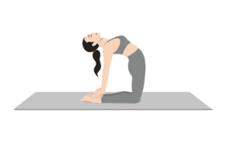
In the desert of daily routines and hunched postures, Ustrasana—commonly known as Camel Pose—rises like an oasis, offering openness, strength, and vitality. Rooted in the Sanskrit word “Ushtra” meaning “camel,” this heart-opening backbend stretches more than just the spine. It challenges emotional blockages, strengthens resolve, and invites practitioners to find comfort in vulnerability.
In my journey through yoga, I’ve come to see certain poses not just as physical expressions but as emotional milestones. Ushtrasana, or Camel Pose, is one such asana that invites us to open our hearts fully—literally and metaphorically. Rooted in ancient yogic tradition and named after the gentle, resilient camel, this posture encourages a deep stretch in the body and an even deeper surrender in the mind.
Whether you’re looking to counteract the effects of poor posture or simply breathe into a space of vulnerability, Ushtrasana is your gentle nudge toward openness, strength, and release. Whether you’re trying to energize your mornings or release deep-seated tension, Ushtrasana is a transformative posture that speaks to body, breath, and being.
How to Practice Ushtrasana (Step-by-Step)
- Preparation: Begin with a few gentle backbends like Bhujangasana (Cobra Pose) or Setu Bandhasana (Bridge Pose) to warm up the spine.
- Start in Vajrasana (kneeling pose), then rise onto your knees with your thighs perpendicular to the floor and knees hip-width apart.
- Place your hands on your lower back, fingers pointing downward. Inhale deeply.
- As you exhale, press your hips forward while arching your back, lifting your chest toward the ceiling.
- Slowly bring your hands down to hold your heels (palms on heels or fingertips facing the toes, depending on flexibility).
- Let your head drop back gently, only if your neck allows. Keep your chest open and spine long.
- Breathe deeply for 30 seconds to 1 minute, maintaining steady balance and calm breath.
- To come out, inhale and gently bring your hands back to the hips. Support your lower back as you return to kneeling.
Do’s of Ushtrasana
- Warm up before the pose with spinal mobilization.
- Engage your thighs and core to avoid collapsing into the lower back.
- Breathe evenly—avoid holding your breath in the stretch.
- Keep your hips stacked over your knees for alignment and support.
- Use a yoga block under your feet if your hands don’t reach your heels comfortably.
Don'ts of Ushtrasana
- Don’t strain your neck—drop the head only if it feels natural.
- Avoid pushing the lower back excessively; focus on lifting the chest.
- Don’t force your body into the pose—respect your current flexibility.
- Don’t practice immediately after eating.
Contraindications
- Ushtrasana is not recommended for:
- Individuals with serious neck or back injuries
- People with high or low blood pressure
- Those suffering from migraines or vertigo
- Pregnant women (unless under the guidance of a certified prenatal yoga teacher)
Benefits of Ushtrasana
- Improves posture by reversing slouching habits
- Opens the chest and heart space, promoting emotional release
- Stimulates the digestive organs and boosts metabolism
- Strengthens the back, shoulders, and thighs
- Enhances respiratory capacity and lung function
- Helps reduce anxiety, fatigue, and mild depression
- Encourages confidence and vulnerability—a rare yet powerful combination
Conclusion: The Courage to Open Up
Ushtrasana isn’t just a stretch—it’s a statement. It teaches us that sometimes, the bravest thing we can do is open our hearts, lean back, and trust. In a world that encourages armor and caution, Camel Pose reminds us of the power of openness—both physical and emotional.Ushtrasana teaches us something profound: that true flexibility isn’t just about the spine—it’s about the spirit. Each time we arch back, we soften a little more into trust, release what no longer serves us, and embrace the power of an open heart. It’s not about how far you can bend—it’s about how deeply you can connect with yourself. So take your time, breathe deeply, and come back to this pose whenever life calls for courage, grace, and expansion.
Whether you're a beginner or a seasoned yogi, revisit this asana often—not to perfect it, but to explore its layers. Every time you lean back into Ustrasana, you’re leaning a little more into yourself.