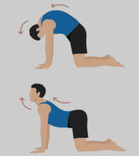
Adho Mukha Shwanasana
The Heart of Every Yoga Flow
Shanti Arunkumar
29 Apr 2025 • 7min
Introduction
If there’s one pose that truly captures the essence of yoga—its grace, strength, and meditative stillness—it is Adho Mukha Shwanasana, or Downward-Facing Dog. Though often seen as a basic posture, this asana holds profound depth. It is a grounding pose, a resting place, a strengthening transition, and a full-body stretch all rolled into one.
From the dynamic flow of Vinyasa to the calming rhythm of Hatha, Downward-Facing Dog makes its presence known in almost every style of yoga. Yet, it’s not just about form—it’s about the function of reconnecting with breath, rediscovering balance, and reawakening a sense of calm alertness. No matter how many times you return to it, this pose greets you like an old friend—with stability, clarity, and strength.
Meaning Behind the Name
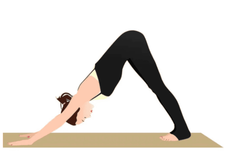
In Sanskrit, Adho means downward, Mukha means face, and Shwana means dog. The posture resembles the natural stretch a dog does upon waking—front legs extended, hips high, spine long. This intuitive stretch is not just about mimicking form but about embracing the ease and fluidity found in the animal kingdom.
How to Practice Adho Mukha Shwanasana
- Start in Tabletop Position – Hands beneath shoulders, knees beneath hips.
- Spread Your Fingers – Firmly root your palms into the ground, with fingers wide.
- Tuck Your Toes – On an exhale, lift the knees off the floor.
- Lift the Hips Up and Back – Aim to straighten your legs and bring your body into an inverted “V”.
- Let the Head Relax – Ears in line with upper arms, gaze toward the navel or thighs.
- Hold and Breathe – Stay for 5–10 breaths, deepening with each exhale.
Note: Keep a soft bend in the knees if the hamstrings feel tight. The spine’s length is the priority, not the position of the heels.
Benefits of Adho Mukha Shwanasana
The practice of Adho Mukha Shwanasana confers the practitioner with multifarious benefits.
- Stretches and Strengthens Simultaneously
- This asana stretches the hamstrings, calves, arches, hands, and shoulders, while also toning the arms, legs, and core.
- Improves Postural Alignment
- It counteracts slouching and encourages an open, upright stance by strengthening the back and opening the chest.
- Enhances Circulation
- With the heart elevated above the head, this mild inversion encourages fresh blood flow to the brain, supporting mental clarity.
- Supports Relaxation and Focus
- Though physically active, this pose brings a meditative stillness, helping to calm the nervous system and quiet the mind.
- Releases Tension in the Spine
- Gravity aids in decompressing the vertebrae, offering relief from mild back discomfort and stiffness.
- Stretches the posterior chain: Deeply lengthens the hamstrings, calves, Achilles tendons, spine, and shoulders.
- Strengthens the upper body: Engages the arms, shoulders, and wrists, helping to build endurance and stability.
- Improves spinal alignment: Encourages decompression of the vertebrae and fosters a long, neutral spine.
- Boosts circulation: As a mild inversion, it helps increase blood flow to the brain, promoting alertness and mental clarity.
- Enhances posture: Opens the chest, broadens the shoulders, and counters the effects of slouching or prolonged sitting.
- Energizes and calms simultaneously: Invigorates tired muscles while soothing the nervous system, making it ideal for transitions or rest during practice.
- Supports digestion: Gentle abdominal engagement can stimulate the digestive organs through subtle compression.
When to Practice
- As a foundational pose in Sun Salutations (Surya Namaskar)
- On its own to awaken the body first thing in the morning
- As a gentle way to reset between more challenging postures
- During evening practice to release the physical residue of the day
A Few Gentle Precautions
- Those with wrist, shoulder, or unregulated blood pressure concerns should modify or consult a teacher.
- Pregnant practitioners should take care and modify as needed.
- As with all asanas, avoid forcing the body—ease into the pose gradually and listen to internal cues.
Contraindications and Precautions
Wrist or carpal tunnel issues: The weight-bearing nature of this pose can aggravate wrist conditions—consider using a wedge or fists as modifications.
High blood pressure or glaucoma: As a partial inversion, this pose may increase intraocular or cranial pressure; always consult a healthcare provider before practicing.
Shoulder injuries: Avoid deep engagement if recovering from rotator cuff or shoulder joint issues; modify with support or a shorter hold.
Severe vertigo or inner ear imbalance: The head-down position may exacerbate symptoms—use caution or substitute with a gentle forward fold.
Pregnancy (late stages): Modifications may be necessary to reduce abdominal pressure and maintain comfort and safety.
Hamstring strain: Overstretching tight muscles can lead to injury; maintain a bend in the knees as needed.
Conclusion
Adho Mukha Shwanasana may look simple on the surface, but its depth is revealed with each mindful breath and each return to the mat. It’s a space where stillness and strength coexist, where motion meets meditation. With consistent practice, this humble yet powerful pose becomes more than just a shape—it becomes a place of refuge, a reminder to pause, to lengthen, and to find balance within.
No matter where you are in your yoga journey, Downward-Facing Dog welcomes you back to yourself. It is a grounding rhythm, a moment of clarity, and a gentle whisper from your body saying, "You are exactly where you need to be."