Matsyasana
The Supported Fish Pose for the Prenatal Stage
Shanti Arunkumar
17 Jun 2025 • 6min
A Gentle Lift When You Need It Most
Pregnancy is a time of transformation—not just in the body, but in the mind, emotions, and spirit. It’s a period when a woman experiences the immense power of creation, but also the everyday realities of fatigue, discomfort, and an ever-shifting sense of balance. As the belly grows and hormones work overtime, even simple acts like sitting or lying down can feel like a challenge. That’s where prenatal yoga steps in—not just as movement, but as a practice of support, surrender, and listening deeply to the body.
Among the poses that gently guide expecting mothers through the maze of physical changes, Matsyasana, or Supported Fish Pose, is like a loving lift—a pose that offers space to the chest, freedom to the breath, and a moment of lightness in a time when everything feels a bit heavier. Traditionally known as the “destroyer of all disease” in yogic texts, Matsyasana is revitalizing for the heart and lungs. When adapted with props and care for the prenatal stage, it becomes a sanctuary—helping mamas-to-be open up the front body, counteract the slump of rounded shoulders, and reclaim a few deep, refreshing breaths.
If you've been feeling the weight of motherhood before your baby even arrives, this supported heart-opener might just be the quiet miracle you need.
What Is Matsyasana?
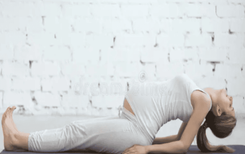
In its classical form, Matsyasana (Fish Pose) is a reclining backbend, typically done by arching the back and resting the crown of the head on the floor with legs extended or in Padmasana (Lotus Pose). It stimulates the throat and heart chakras, enhances respiratory function, and encourages spinal flexibility.
But during pregnancy, we make peace with modifications. Instead of straining to lift the heart unsupported, we use props—bolsters, pillows, or folded blankets—to turn this pose into a Supported Matsyasana that offers all the benefits without risk or discomfort.
Why Supported Fish Pose is Perfect for the Prenatal Stage
1. Opens the Chest and Relieves Breathlessness
As the uterus expands, it can press up into the diaphragm, leaving less room for the lungs to fully inflate. Supported Matsyasana gently lifts the chest and creates more space for deeper breaths—a welcome relief when shortness of breath becomes a daily companion.
2. Counteracts Rounded Shoulders
The physical changes of pregnancy (like breast growth and a growing belly) often lead to rounded shoulders and a sunken chest. This heart-opening pose helps reset your posture and ease upper back tension.
3. Offers Emotional Upliftment
Many prenatal poses are grounding, but Matsyasana adds an element of lightness and upliftment—perfect for days when your energy is low or your mood feels stuck.
4. Eases Upper Back and Neck Tension
By reclining with gentle support, the pose helps release tightness in the thoracic spine and neck—two areas that often carry emotional and physical strain during pregnancy.
5. Prepares the Body for Labor
Breath awareness is crucial during labor. Practicing this pose regularly enhances lung capacity and helps you stay connected to your breath, even in moments of discomfort.
How to Practice Supported Matsyasana Safely in Pregnancy
Props Needed:
- 1 bolster or firm pillow
- 1 folded blanket or block (optional for extra elevation)
- An additional cushion under the head, if needed
Step-by-Step:
- Set up your bolster lengthwise on your mat so that it supports your mid-back to head.
- Sit in front of the bolster with knees bent and feet flat or soles together in Supta Baddha Konasana (Reclining Butterfly Pose).
- Slowly lower your back onto the bolster. Use your arms to support your descent.
- Let your head rest on the bolster or an extra cushion if your neck feels strained.
- Keep arms relaxed by your sides, palms facing up. Allow your shoulders to fall open.
- Close your eyes and breathe deeply into your rib cage and belly.
- Stay in the pose for 3–5 minutes, or longer if comfortable.
- Exit the Pose: Roll gently to one side, using your hands for support, and come up slowly to avoid dizziness.
Precautions
- Avoid this pose after the second trimester without props, as lying flat on your back can compress the vena cava (a major vein that carries blood to the heart).
- Always use bolsters or incline props for support.
- If you feel any dizziness, shortness of breath, or strain—come out of the pose immediately.
- Consult your prenatal yoga teacher or healthcare provider before adding any new pose to your routine.
A Note on Emotional Space
Pregnancy often stirs emotions buried deep within. Supported Matsyasana, with its open-hearted shape, can sometimes trigger unexpected feelings—vulnerability, joy, even tears. This is normal. The pose encourages emotional release by allowing the heart space to open freely. Let it come, and let it go. This is part of your preparation for the journey ahead.
When You Open the Heart, the Breath Follows
In a world where prenatal advice can feel overwhelming—“Do this, don’t do that, sleep like this, eat like that”—Supported Matsyasana asks very little of you. No balancing, no gripping, no straining. Just a soft place to land, and a quiet invitation to open up.
It’s a posture that reminds you that even in times of great change, there’s always a way to feel supported. A way to expand without pushing. A way to breathe a little deeper, not just for yourself but for the tiny life you carry within. When you lean back into the bolster, you lean into trust—trust in your body, your breath, and your becoming.
So whether you’re in your second trimester and aching for a good stretch, or in your third and simply craving a moment of rest, let Matsyasana hold you. Let it be your calm in the storm, your quiet exhale at the end of a long day.
Because sometimes, the most powerful thing you can do is lie back—and open your heart.