Ganesha: Spread across the Indosphere
From Indus to Pacific: Ganesha's Journey Through the Indosphere

Meghana C
30 Sep 2024 • 4min
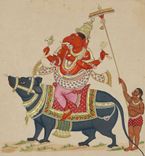
Ganesha, the elephant-headed god of wisdom and new beginnings, has transcended geographical boundaries. Ganesha is revered across the Indosphere. It is a fascinating phenomenon of cultural osmosis that has spread Indian ideas across Asia and beyond.



The Indosphere: India's Cultural Footprint
The term "Indosphere" refers to the vast cultural sphere of influence that originated in the Indian subcontinent and spread across large parts of Asia. This influence encompasses religion, philosophy, language, art, and social customs. The Indosphere's reach extends from Afghanistan in the west to Japan in the east and from Tibet in the north to Indonesia in the south.
Cultural Osmosis: The Spread of Indian Ideas
Cultural osmosis is the gradual, often subtle, process by which elements of one culture are absorbed into another. In the case of Indian culture, this osmosis occurred through various means:
- Trade routes like the Silk Road
- Buddhist missionaries
- Hindu and Buddhist kingdoms in Southeast Asia
- Cultural exchanges facilitated by scholars and travellers
This osmosis led to the adoption and adaptation of Indian deities, including Ganesha, in various Asian countries. Let's explore how Ganesha is worshipped in different parts of the world.
Ganesha Worship across the Indosphere
India: The birthplace of Ganesha
In India, Ganesha is one of the most beloved and widely worshipped deities. The annual Ganesh Chaturthi festival sees millions of devotees creating elaborate pandals (temporary shrines) and immersing Ganesha idols in water bodies. Ganesha is invoked before beginning any new venture and is a common sight in homes and businesses.
Nepal: The Living Goddess Connection
In Nepal, Ganesha is known as Vinayak and is often associated with Kumar, the son of Shiva and Parvati. Interestingly, the living goddess Kumari is believed to be an incarnation of Taleju (a form of Durga), who is considered Ganesha's sister in some traditions. This is unique to Nepal.
Thailand: Phra Pikanet
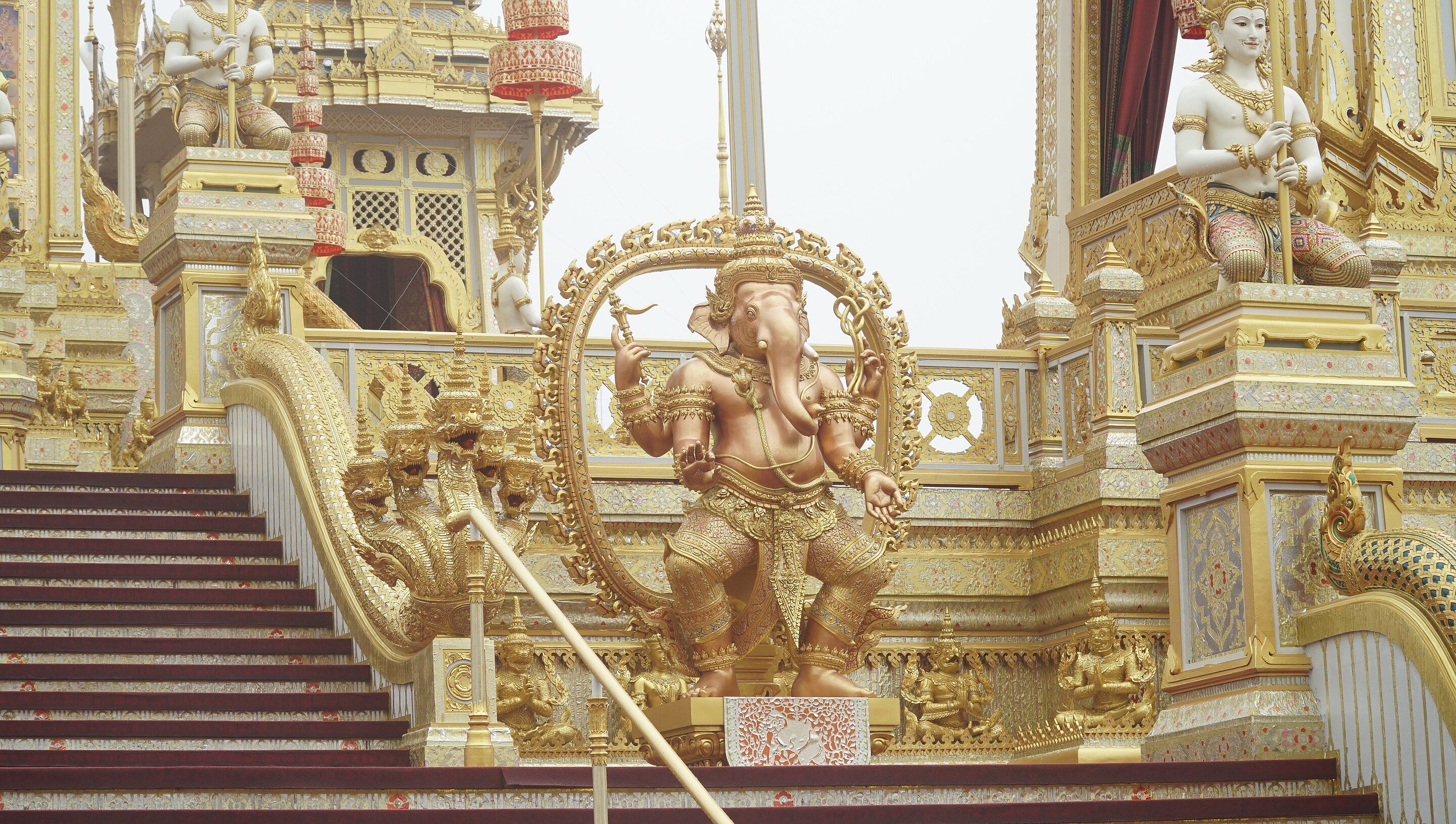
In Thailand, Ganesha is known as Phra Pikanet and is popular among Thai Buddhists and Hindus alike. He is often depicted in royal Thai regalia and is associated with arts and academic pursuits. Many Thai students pray to Phra Pikanet before exams, just like in India.
Indonesia: Gana in Ancient Java
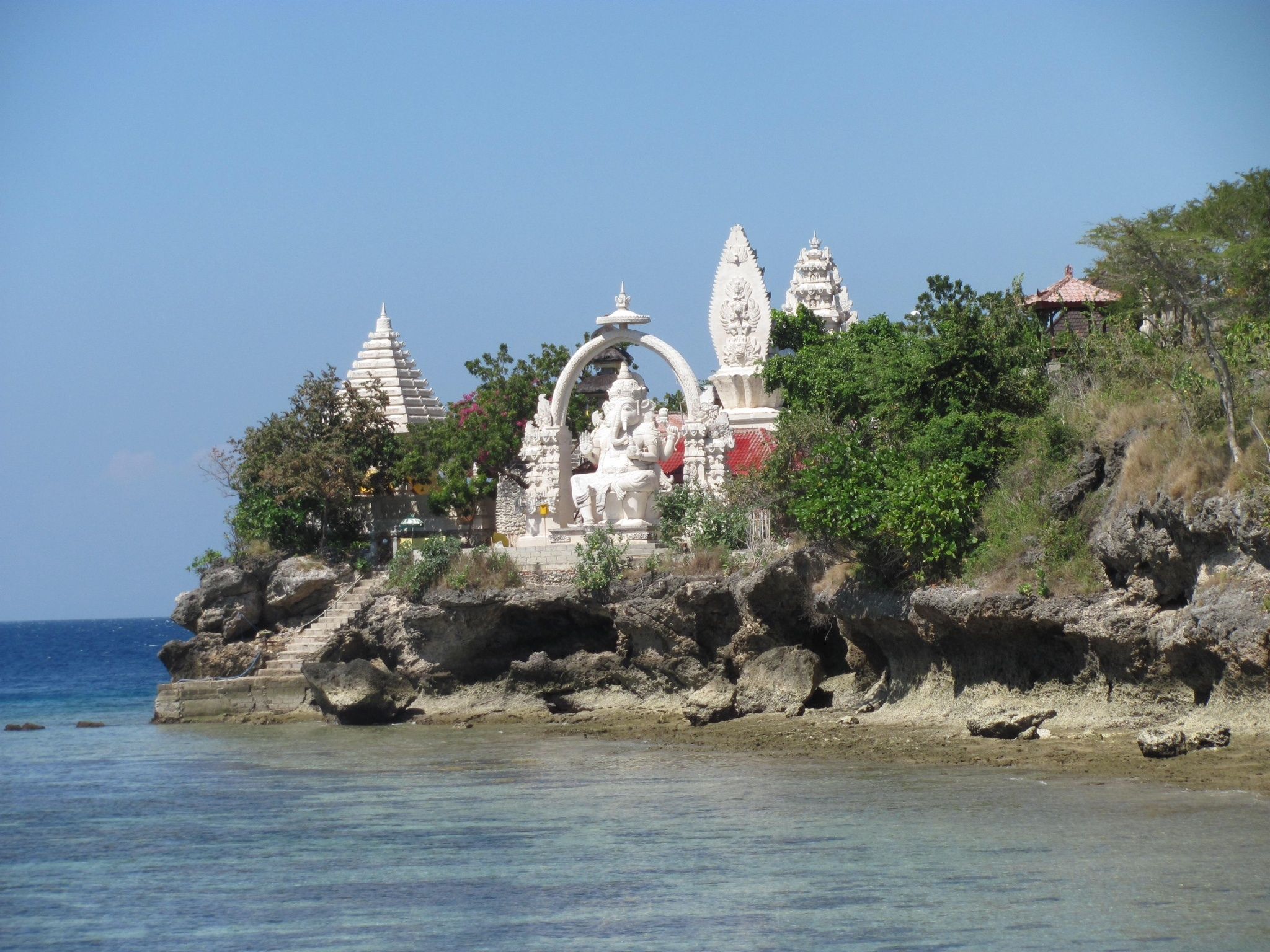
Ganesha was a significant deity in ancient Java, particularly during the Majapahit Empire. Javanese art depicts Ganesha with distinct local characteristics. Today, Ganesha statues are common in Bali, where Hinduism remains the predominant religion.
Japan: Kangiten, the God of Bliss
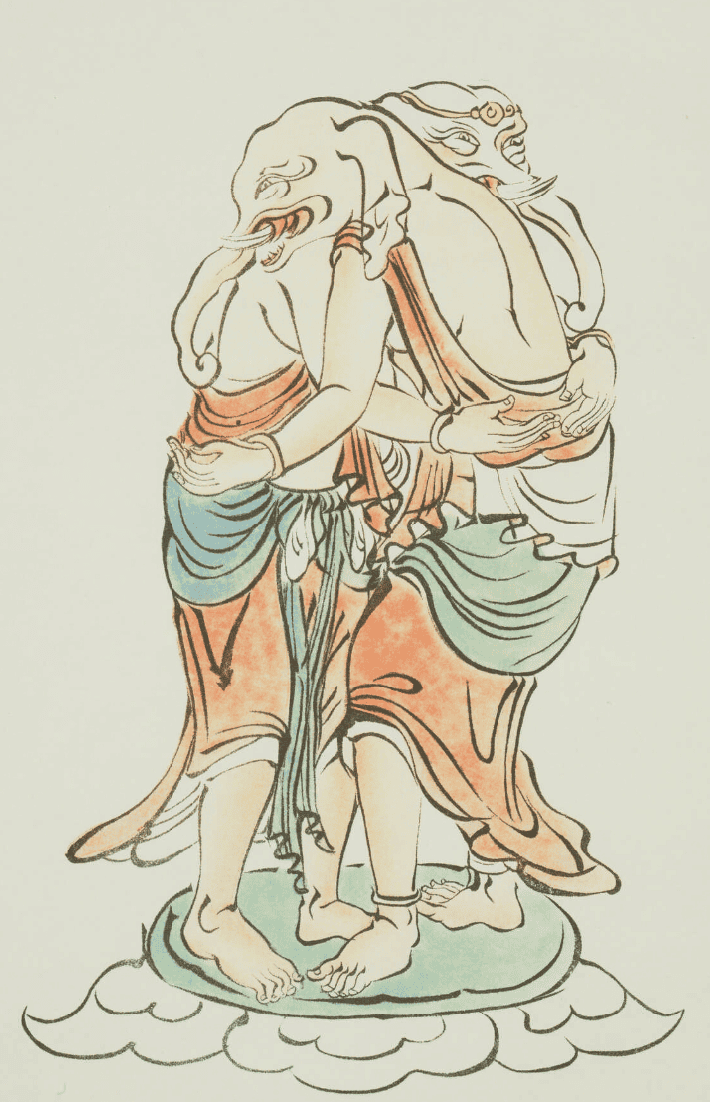
In Japan, Ganesha is known as Kangiten or Shoten and is viewed as a deity of bliss and prosperity. Interestingly, Kangiten is often depicted as a dual male-female deity, embracing each other, symbolising the unity of opposites.
Cambodia: Echoes in Khmer Art
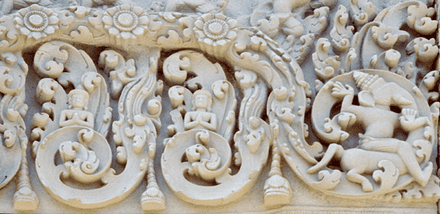
Ganesha was an important deity in ancient Cambodia. Numerous Ganesha statues have been found in Khmer archaeological sites, showcasing the deity's significance in the region.
Tibet: Tsog Dag, the Wealth-Bestowing Elephant
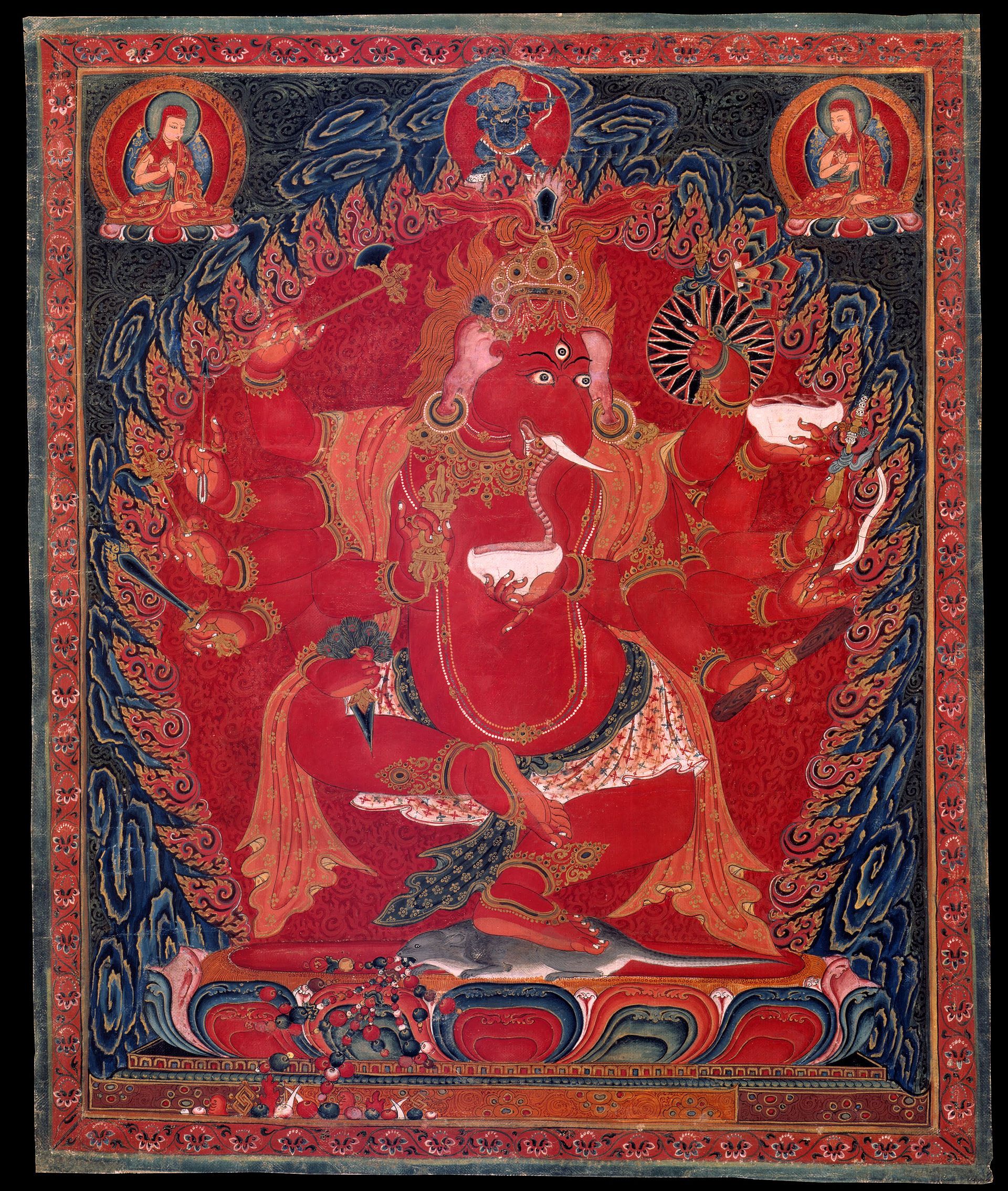
In Tibetan Buddhism, Ganesha appears as Tsog Dag, a wealth-bestowing deity. He is typically depicted with a rat or mouse, similar to his Indian iconography, symbolising Ganesha's ability to overcome obstacles.
Western World: A Symbol of Eastern Wisdom
In recent decades, Ganesha has gained popularity in the West, particularly among yoga practitioners and those interested in Eastern philosophy. Ganesha statues and imagery are common in yoga studios and New Age shops, symbolising the removal of obstacles and new beginnings.
Conclusion
Whether as a remover of obstacles, a bestower of wisdom, or a harbinger of good fortune, Ganesha's symbolism resonates with people from diverse backgrounds. This global presence of Ganesha also highlights the far-reaching impact of Indian culture through the ages. In our increasingly interconnected world, figures like Ganesha serve as bridges between cultures, fostering shared human experiences.

Try a fuller and better experience on the
Dharmayana App