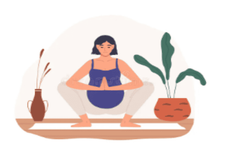
Agnisthambhasana for Pregnancy
The ankle to knee pose.
Shanti Arunkumar
10 Jun 2025 • 6min
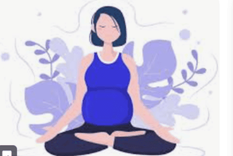
Pregnancy brings with it an extraordinary shift—not only in the body, but also in how you inhabit it. You may find your hips widening, your lower back tightening, and your emotions rising and falling like ocean tides. It’s beautiful, yes, but it can also be overwhelming. This is where prenatal yoga steps in—not to add effort, but to bring ease.
One such gem in the prenatal yoga toolkit is Agnisthambhasana, or Fire Log Pose (sometimes called Double Pigeon or Ankle-to-Knee Pose). While the name may sound intense, the asana itself is a deeply grounding, hip-opening seated posture that offers relief, release, and reconnection.
During pregnancy, especially in the second and third trimesters, your hips and pelvic area undergo enormous changes to prepare for childbirth. Agnisthambhasana allows you to gently explore that space, release built-up tension, and make room for your baby—physically and emotionally.
This is not just a stretch; it’s an invitation to slow down, soften, and sink into the power of presence.
What is Agnisthambhasana (Fire Log Pose)?
Agnisthambhasana is a seated pose where the shins are stacked like logs—one on top of the other, parallel to the edge of your mat. It's a powerful hip opener that gently targets the piriformis, glutes, and outer hips, areas that often hold tension during pregnancy.
In prenatal practice, it’s particularly valued for its ability to create space in the hips and pelvis while promoting stillness and introspection.
Technique: Practicing Agnisthambhasana Safely During Pregnancy
Here's how to adapt Agnisthambhasana for your prenatal practice:
- Sit with Support
- Sit on a folded blanket or bolster to elevate your hips. This helps relieve pressure on your knees and makes space for your baby bump.
- Stack the Legs
- Bring your right shin parallel to the front of the mat.
- Gently place your left shin on top of the right so that the ankle rests above the opposite knee, and the knee above the opposite ankle. The legs form a triangle.
- Alternative for Tight Hips: If stacking the legs feels too intense, cross your shins in a simple Sukhasana (easy seated pose) variation.
- Lengthen the Spine
- Sit tall. Imagine a gentle lift from the crown of your head.
- Forward Fold (Optional)
- If your belly allows and it feels comfortable, you can slowly hinge at the hips and fold forward slightly.
- Use props—a bolster or pillows under your forearms—to support your torso.
- Breathe Deeply
- With every inhale, create space in the body.
- With every exhale, release tension from the hips and jaw.
Duration
Hold for 1–2 minutes per side, or as long as feels right, switching the cross of the legs gently.
Benefits of Agnisthambhasana in Prenatal Yoga
Agnisthambhasana offers both physical and emotional support during pregnancy:
- Hip Opener: Gently stretches the hips, groin, and glutes, helping ease tightness and discomfort.
- Pelvic Preparation: Helps create space in the pelvic region, supporting your body’s natural preparation for labor.
- Soothes Lower Back Pain: By releasing the hip muscles, tension in the lumbar spine often decreases.
- Improves Circulation: Encourages blood flow to the legs and pelvic area.
- Promotes Emotional Release: The hips are often called the ‘emotional junk drawer.’ This pose helps release pent-up feelings.
- Enhances Mindfulness: The stillness of the pose fosters inward focus, helping you connect with your baby and your breath.
Do’s and Don’ts
Do:
- Use props under your knees or thighs for support.
- Sit on a cushion to keep the hips elevated.
- Keep the spine long and the shoulders relaxed.
- Come out of the pose slowly, especially if you’ve held it for a while.
- Focus on your breath, using it to guide your awareness inward.
Don’ts:
- Force the knees down—this can strain the joints and connective tissue.
- Ignore discomfort in the hips or knees. Adjust as needed.
- Fold forward if it compresses your belly or makes breathing difficult.
- Practice on a hard surface—cushioning supports both comfort and safety.
Pros and Cons
Pros
Deep Hip Opener
Stretches the hips, groin, and piriformis muscle deeply, which is especially beneficial for those who sit for long periods or do a lot of leg-heavy activities.
Improves Posture
- Encourages an upright spine and builds awareness of pelvic alignment.
- Relieves Sciatic Discomfort
- Can help reduce tension in the lower back and sciatic nerve (especially when tight hips are the root cause).
- Calming for the Mind
- The forward fold variation promotes introspection and calm, making it a great pose for meditation or the end of a yoga session.
- Prepares for Advanced Poses
- Builds the necessary hip flexibility for poses like Lotus (Padmasana), Pigeon (Kapotasana), and Arm Balances like Firefly (Tittibhasana).
Cons
- Can Be Intense for Tight Hips
- Beginners or those with limited hip mobility might find it too challenging or even painful.
- Risk of Knee Strain
- Improper alignment or forcing the pose can lead to pressure on the knees. Props and modifications are often necessary.
- Not Suitable for Certain Injuries
- People with hip, knee, or lower back injuries should avoid or modify this pose under guidance.
- May Trigger Sciatic Pain
- While it helps some with sciatica, it can aggravate the condition in others—especially if the piriformis is inflamed.
- Requires Patience and Support
- Progress is gradual. Without props like blankets or blocks, the pose may feel inaccessible or frustrating.
Embrace the Fire, Rest in the Ashes
Pregnancy is a sacred unfolding, and in the midst of its heat—its shifts, surges, and sleepless nights—Agnisthambhasana offers a moment of cool, calm restoration. Though its name suggests fire, this pose is less about burning and more about softening—softening the hips, the breath, and the expectations we place on ourselves.
It’s a pose that invites surrender. Not weakness, but wise, gentle surrender. The kind of surrender that says, “I trust my body. I trust this journey. I trust the process of birth and becoming.”
As you sit in Fire Log Pose, hips heavy, breath full, and baby near, you are reminded that sometimes, the greatest strength lies in stillness. In learning to sit with discomfort—not push past it, but witness it, befriend it, and let it melt away.
So, take a seat. Settle in. Let the fire work its quiet magic. You are not just preparing for birth—you are preparing to welcome new life with open hips, an open heart, and the steady flame of inner grace.