
Why Tihar Festival Worships Crows, Dogs and Cows
Nepal's festival of light and gratitude to animals

Sunil Chaurasia
02 Nov 2026 • 7min
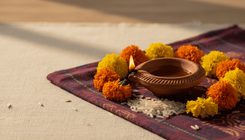
Tihar is Nepal's five-day festival of light, colour and offerings to animals. It falls each year in the Hindu month of Kartik, usually during October or November. The festival is deeply rooted in gratitude: Nepali communities believe that certain animals deserve celebration and blessing because they play vital roles in human life. Crows, dogs and cows are central to Tihar, each worshipped on a different day, but the festival also honours ravens, oxen and pigeons. For many Nepali families, Tihar is the moment to pause and give thanks to the creatures that share their world.
The core philosophy of Tihar rests on a simple insight. Animals are not lesser beings; they deserve recognition, blessing and offerings just as humans do. This belief comes partly from Hindu philosophy, which sees divinity in all living things, and partly from lived experience: a farmer depends on cows for milk and dung; a dog guards the home; crows eat scraps and keep the streets clean. Tihar acknowledges this interdependence. The festival teaches that care and respect flow in both directions between humans and animals.



Crow Day: Gratitude to the Messenger
The first day of Tihar is Kaag Tihar, or Crow Day. Crows hold a special place in Hindu and Nepali tradition. They are believed to be messengers between the living world and the world of ancestors. Many families set out plates of rice, corn or wheat on their rooftops or windowsills. The crow is offered food and water, and families speak words of welcome and gratitude.
Beyond tradition, the practical reason is clear: crows are scavengers. They pick through waste and help keep settlements clean. In a time before waste management systems, crows performed an essential role in hygiene. Tihar pauses to say thank you. The offering is simple but intentional. Some families also perform a small puja at the time the crow is fed, speaking blessings aloud so the crow—and the ancestors it carries messages for—can hear them.
In some Nepali villages, families perform a ritual called Kaag Puja, in which a crow is invited and blessed more formally. This is not universal; many families simply leave food and speak gratitude. The day reminds people that even humble creatures deserve respect and recognition.
Dog Day: Protection and Loyalty
Kukur Tihar, or Dog Day, falls on the second day. Dogs are honoured for their loyalty and their role as guardians of the home and community. On this day, dogs are given special food—often rice, meat and treats—and sometimes flowers or a tilak (a mark of vermillion or coloured paste) on their foreheads. In many Nepali towns and villages, stray dogs and street dogs receive offerings alongside family pets, because the gratitude extends to all dogs, not only those with owners.
The relationship between humans and dogs spans millennia. A dog will warn of danger, guard property and offer companionship without asking for much in return. Kukur Tihar recognises this gift. Families often feed the dogs first, before they eat themselves, to show that the dog's place is honoured and primary on this day. It is a reversal of the usual order, and that reversal carries meaning: for one day, the dog comes first.
Kukur Tihar also extends to the streets. In cities like Kathmandu, Bhaktapur and Pokhara, people leave out food for the stray dogs that live in their neighbourhoods. This practice has grown in recent years as animal welfare awareness has strengthened, but the underlying impulse is old: to acknowledge the strays as part of the community and to offer them blessing and care.
Ox Day and Cow Day: The Gift of Sustenance
Laxmi Puja, the third day, is often called Govardhan Puja or Cow Day. Cows and oxen are central to this day. Cows are worshipped because they provide milk, one of the most sacred foods in Hindu tradition, and because their dung is used as fuel, fertiliser and ritual purifier. Oxen are honoured for their strength and labour: they plough fields and carry goods. Many Nepali families own cattle, so this day is deeply connected to agriculture and livelihood.
On this day, cows and oxen are bathed, sometimes decorated with garlands and flower garlands, and offered special food. A tilak is applied to their foreheads. In some regions, cows are taken in procession through the village. The ritual acknowledges the debt of gratitude: without the cow, survival would be harder. Milk nourishes children; dung feeds soil; the cow's body, at the end of its life, returns to the earth.
Laxmi Puja also coincides with the worship of Lakshmi, the goddess of abundance and prosperity. Some families light oil lamps and place them in cowsheds alongside the animals, blending animal worship with devotional ritual. The day teaches that material prosperity comes through respect for the creatures that make life possible.
Why Tihar Matters Now
Tihar speaks to something that modern life often forgets: that humans do not stand alone. We are part of an ecosystem of dependence and exchange with other creatures. The festival has roots in an agricultural society, where this truth was obvious. Now, in cities where food comes wrapped in plastic and crows are seen as pests, the message has become more necessary, not less.
For Nepali communities, Tihar is also a time of unity and togetherness. During the five days, people exchange greetings, visit relatives, and share food. The focus on animals widens the circle of family to include all beings. In recent years, some organisations in Nepal have used Tihar as a moment to raise awareness about animal welfare, stray dog care and environmental responsibility. The festival's old message—that we owe gratitude to the creatures that share our lives—fits naturally with these modern concerns.
The custom also points to something within Hindu and Buddhist philosophy that is sometimes missed in the West: that gratitude is not sentimental. It is a practice, a discipline, something you do and say and offer. Tihar teaches that to live well, you must remember to say thank you, and you must do it aloud, with offerings and ceremony, so that gratitude becomes real.
Common questions
How many days is Tihar and what animals are worshipped on each day?
Tihar lasts five days. Day one is Kaag Tihar (Crow Day), day two is Kukur Tihar (Dog Day), and day three is Laxmi Puja or Govardhan Puja (Cow and Ox Day). The festival also includes worship of other animals including ravens, pigeons and oxen across the full five days in different regions.
Can I celebrate Tihar if I don't live in Nepal?
Yes. Many communities of Nepali origin and other Hindu communities outside Nepal celebrate Tihar. The core practice—making offerings of food and gratitude to animals—can be adapted anywhere. You can offer food to crows, dogs, and cows or other animals that are part of your local environment.
What is the spiritual meaning behind worshipping animals during Tihar?
Tihar teaches that all living beings deserve respect and recognition, and that humans depend on animals for survival and care. The practice is rooted in the Hindu belief that divinity flows through all creatures, and in the lived experience of communities where cows, dogs and crows perform essential roles. It is an exercise in gratitude and humility.

Related Articles


