
Why families float small oil lamps on rivers during Diwali
Floating light, releasing burden

Kushal K
03 Nov 2026 • 5min
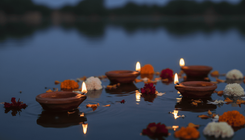
During Diwali, families across India gather at rivers and water bodies to float small oil lamps called diyas. This Diwali floating diyas river ritual is one of the most poignant practices of the festival, and it carries meanings that run deeper than the simple beauty of lights dancing on water.
The practice is rooted in the idea of release and renewal. As you light a diya and set it floating, you are said to be releasing what no longer serves you—past sorrows, regrets, or negative energy accumulated over the year. The water carries the light away from you, symbolising the flow of difficulties downstream and out of your life. At the same time, the flame represents the eternal light of consciousness or truth, which cannot be extinguished even as it drifts beyond sight. This paradox—letting go while honouring what endures—sits at the heart of the practice.



The spiritual meaning of floating light
In Hindu philosophy, water represents purification and flow. Rivers are considered sacred not just for their role in daily life, but because they are believed to carry blessings and cleanse negative karma. When you float a diya on water during Diwali, you are combining two purifying forces: the transformative power of fire and the cleansing energy of flowing water. The act itself is a form of offering, or puja, in which your intention matters as much as the physical act.
Different communities understand the practice through different lenses. For some, floating diyas is a way of honouring ancestors and departed loved ones, the light a beacon guiding them in the afterlife. For others, it is a meditation on impermanence—a reminder that all things, like the diya, must eventually dissolve. Still others see it as an act of communion with the divine: the individual light merging with the great cosmic light. All these interpretations sit comfortably together, because the ritual has space for personal meaning.
Regional variations and local practice
The custom of floating diyas is most widespread in northern India and along major rivers like the Ganges, Yamuna, and Godavari. In West Bengal, this practice is closely linked to Kali Puja and Diwali celebrations. In Maharashtra, families float diyas in local rivers and ponds, sometimes setting them afloat in groups during evening gatherings. The ritual looks similar wherever it happens, but the intention and the community that gathers around it can vary.
In some places, people float diyas made specifically for this purpose—small, simple vessels of clay. In others, banana leaves are folded into small boats and filled with oil and a wick, creating a biodegradable offering that will dissolve into the water. Urban areas where rivers may be polluted or inaccessible sometimes see families floating diyas in ponds, tanks, or even large bowls at home. The essence of the practice remains the same regardless of where the water flows.
What the act means for you
Floating a diya is an act of intention-setting at a threshold moment. Diwali itself falls at a turning point in the year—the new year in some calendars, a shift from one lunar cycle to another. When you float your diya, you are consciously releasing what belongs to the past and inviting what you wish to bring forward. This is not about magical thinking; it is about marking a moment of change in your own awareness and creating a ritual anchor for that change.
The practice also connects you to something larger than yourself. Watching your small light join others on the water, seeing how the individual flames multiply and reflect, reminds you that you are part of a community and a tradition that stretches back generations. In this way, floating a diya is both a private, intimate act and a participation in something collective.
How to approach the practice respectfully
If you want to float diyas, choose a safe location where you can reach the water's edge without risk. Go with intention: spend a moment before lighting the diya thinking about what you wish to release and what you wish to welcome. Light the wick carefully, using a longer flame or a match to reach it safely. Set the diya on the water gently, allowing the current to take it. Watch it for a moment if you can, letting your mind settle on your intention.
Use clay diyas that will dissolve, or fold banana leaves into boats. Avoid plastic or non-biodegradable materials that harm rivers and wildlife. If you cannot access a river safely, floating a diya in a large bowl of water at home holds the same meaning—the ritual is about your intention and presence, not about the size or location of the water.
Above all, approach the practice with quiet attention rather than festival cheer. This is a moment to pause, reflect, and consciously mark the threshold you are crossing into a new cycle. The diya you float is your small prayer or intention made visible—a conversation between your inner world and the flow of life itself.
Common questions
Can I float diyas in a bowl of water at home instead of a river?
Yes. The ritual is about your intention and presence, not the size or location of the water. Floating a diya in a large bowl at home holds the same meaning and is a safe alternative if you cannot access a river or water body.
What materials should I use to make diyas for floating?
Use clay diyas that dissolve naturally, or fold banana leaves into small boats. Avoid plastic or non-biodegradable materials, as they harm rivers and wildlife. The focus is on creating an offering that will return to nature.
What should I think about while floating my diya?
Spend a moment before floating your diya thinking about what you wish to release—past sorrows, regrets, or negative energy—and what you wish to welcome into the coming cycle. This intention is the heart of the practice.

Related Articles


