
Which Direction to Face During Puja and Why
East faces the rising divine light

Abhilash Ramakrishna
17 Nov 2026 • 8min
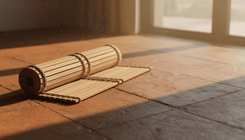
When you face the direction to face during puja, you are doing more than choosing where to sit. The direction matters because it shapes how your energy aligns with the rhythm of the cosmos—and in Hindu practice, the east is primary.



Why the East Matters
The east is where the sun rises, where light returns each day. In Sanatana Dharma, east-facing posture is the preferred direction for worship because it aligns you with the flow of cosmic energy as the day begins. Most daily puja, meditation and pranayama are best done facing east. This is not arbitrary. The sun's movement across the sky is itself sacred—part of the rhythm of existence—and beginning your puja facing where light arrives sets your intention in harmony with that natural awakening.
The reasoning goes deep. The Upanishads speak of the sun as the visible manifestation of Brahman, the ultimate reality. The morning sun, in particular, carries the quality of clarity and new beginning. When you sit to worship facing east, you place yourself in that current.
How to Prepare Your Space
Before you settle into position, make sure your puja space can accommodate an east-facing orientation. This sometimes means rearranging your altar or mat. If your home does not allow for a true east-facing seat—if you live in a small flat or your altar is built against a wall—work with what you have. A sincere intention and focused mind matter more than perfect geometry.
Keep your space clean and quiet. The spot should be elevated slightly if possible, above the level of the floor, which is why a raised platform or low stool is traditional. You are not sitting on bare ground for puja. The seat itself—whether a mat, a cushion or a low bench—should be steady, so your body does not shift and distract you during worship. Many people use a simple asana (a yogic sitting mat or cloth) that faces east.
Once you have established the space, test it at dawn or early morning to feel the light. You may find that even a few minutes in the path of the morning sun changes the quality of your practice. This is not just psychological; many practitioners report that sitting in direct or indirect morning light during puja deepens their focus.
The Right Sitting Posture
How you sit matters as much as where. Sukhasana (a simple cross-legged posture), Padmasana (lotus pose) or Siddhasana (a half-lotus variation) are all acceptable for puja. What unites them is that your spine is erect, your shoulders relaxed, and your hands rest naturally in your lap or on your knees. An upright spine allows prana (life force) to flow freely through you.
If you cannot sit cross-legged for long periods, sitting on a small bench or stool with your feet flat on the ground is equally valid. The key is stability and comfort. You should be able to sit without pain or fidgeting for at least the length of your puja. Begin with whatever position lets you be still.
Your hands have their own placement. Resting them palms-up on your knees is a receptive gesture. Some traditions fold them in anjali mudra (palms pressed together at the chest) during specific moments of prayer or invocation. Others keep them open and relaxed. Follow the practice of your sampradaya (spiritual tradition) if you belong to one; otherwise, let your hands rest in whatever way allows your mind to stay present.
When the East-Facing Rule Does Not Apply
There are times when facing east is not possible or not necessary. If you are traveling or in a temporary space, face the direction of the deity's image or the altar itself. Your focus and sincerity override geography. Many practitioners in apartments or shared spaces find that inner orientation—setting your intention toward the divine—compensates for a less-than-ideal physical direction.
Some practices have their own conventions. If you are sitting for pranayama or meditation without an altar, early morning facing east is ideal. But if you are doing a specific puja to a deity whose image is installed in another direction, face that image. The tradition often teaches: when in doubt, turn toward what is sacred in your space.
Regional and sampradaya differences exist too. Some traditions emphasize the north-east angle. Others, particularly in southern India, may follow different conventions based on local temple orientation. If you are part of a particular spiritual lineage or community, ask your teacher or elder how they guide students in direction. What matters is consistency and respect for the framework you are working within.
The Role of the Altar and Deity
Your altar's placement matters as much as your seat. If possible, position it so that the deity's image or murthi faces you as you sit, and try to have both you and the altar oriented toward the east. This is the ideal arrangement. But again, if your home does not allow it, adapt. A sincere puja in an imperfect space is far better than no puja at all.
The deity itself is sometimes understood as directing the energy of the space. Some traditions teach that placing the main deity image slightly toward the north-east brings additional auspiciousness. These details vary by sampradaya and by the specific deity. If you are worshipping at home, begin with east-facing for yourself and the altar, and observe how it feels over time. You may find that once you establish a consistent direction, your practice deepens naturally.
Carrying the Practice Forward
The direction you face during puja is not a rule imposed from outside. It is an invitation to align yourself with the natural world and the cosmic order that sustains it. Starting your day facing east, sitting upright in a stable posture, creates a physical foundation for the internal work of devotion and meditation.
If you are new to puja, begin by choosing your space, facing east if you reasonably can, and sitting in a comfortable position. Do this consistently, and you will notice that the habit itself becomes part of your practice. Over time, the direction, the posture and the intention weave together. You stop thinking about where you are sitting and start experiencing the depth of what you are doing.
Preparing Your Puja Space and Posture
- Choose and clear your space Select a quiet spot in your home where you can face east. Clear the area of clutter and ensure it is clean. If possible, place your puja mat or cushion on a slightly raised platform to elevate it above the ground level.
- Settle into a sitting posture Sit in sukhasana (cross-legged), padmasana (lotus) or siddhasana if you are flexible, or on a low bench or chair with your feet flat if sitting on the ground is uncomfortable. Your spine should be upright and your shoulders relaxed.
- Align yourself toward the east Face the direction of the rising sun if possible. If your altar holds a deity image, position both yourself and the altar so you face it naturally, ideally with both oriented toward the east.
- Rest your hands naturally Place your hands palms-up on your knees, or rest them in your lap. Some traditions use anjali mudra (palms pressed together at the chest) during moments of prayer; follow your lineage's practice.
- Test the space at dawn Sit in this position during early morning light if you can. Observe how the space feels when natural light is present. Let the habit settle for several days before making adjustments.
Common questions
What if I cannot face east because of my home layout?
Face the direction of your altar or the deity's image instead. Your sincere focus and intention matter more than perfect cardinal direction. Many practitioners in apartments or shared spaces find that turning inward toward the divine compensates for a less-than-ideal physical orientation.
Can I do puja sitting on a chair instead of cross-legged?
Yes. Sitting upright on a bench or chair with your feet flat on the ground is equally valid for puja. The goal is a stable, comfortable posture that allows your spine to remain straight and your mind to stay present without pain or distraction.
Does the time of day matter for direction, or only the direction itself?
Both. Early morning facing east carries particular power because the sun is rising, but the time depends on your puja. If you worship at another time of day, maintain the eastern direction if you can. The principle is consistency: choosing one direction and returning to it steadily deepens your practice.

Related Articles


