When Should You Light the Navratri Akhand Jyoti?
Nine nights of flame, one continuous offering

Kushal K
14 Oct 2026 • 8min
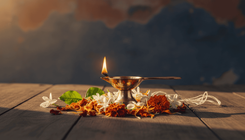
The Navratri Akhand Jyoti, or eternal flame, should be lit on the first day of Navratri and kept burning continuously for the full nine days and nights of the festival. Akhand means unbroken or uninterrupted, so the lamp must not go out once it is lit. This continuous flame is a sacred offering to the Goddess during Navratri, representing her unending presence and protection throughout the festival period. Many households consider it essential to keep the lamp alight until Navratri concludes, after which it is never blown out or forcibly extinguished, but is allowed to burn out on its own.



Why the Akhand Jyoti Matters During Navratri
The Akhand Jyoti holds deep spiritual significance in Navratri worship. The unbroken flame symbolises the eternal nature of the Divine Mother and her constant vigilance over the home and family. Keeping the lamp burning is seen as an act of dedication and faith, a way of inviting the Goddess's blessings into your space. The light itself is believed to purify the environment and ward off negative energies. Many practitioners see the continuous flame as a meditation in itself—a tangible reminder of the divine presence that should never be forgotten, even in the midst of daily tasks.
In some traditions, the Akhand Jyoti also represents the victory of light over darkness, a central theme of Navratri. By maintaining the flame without interruption, you are participating in this cosmic battle symbolically, affirming your own commitment to truth and righteousness through the festival period.
When to Begin: Timing the First Lighting
The Akhand Jyoti is traditionally lit on the morning of the first day of Navratri, during the Ghatasthapana (Kalash Sthapana) muhurat. Ghatasthapana is the auspicious ceremony held on Pratipada, the first day, when families establish the sacred Kalash, sow barley seeds and formally invite the Goddess into their home. Because Ghatasthapana is performed in the morning and is not done at night, the Akhand Jyoti is lit at the same time, connecting your observance to the broader Navratri cycle.
If you do not observe Ghatasthapana, light the lamp during your morning puja on the first day, ideally within the Ghatasthapana muhurat given in your local panchanga, or according to your family's tradition. Before lighting it, many devotees take a sankalpa (a formal vow) to keep the flame burning for the full nine days.
Start the lamp with a clear intention: set it as an offering for the nine days ahead. You may speak a simple prayer in your own words, or recite a traditional invocation to the Goddess. The act of conscious beginning helps establish the rhythm of your Navratri practice.
Keeping the Flame Alive: Practical Care
Once lit, the Akhand Jyoti must burn without stopping for all nine days and nights. This requires planning and attention. Most people use a brass, silver or clay lamp with a cotton wick and pure ghee, which is traditionally preferred; sesame oil and mustard oil are also widely used. The lamp is traditionally placed in the south or south-east direction of the puja area, in a safe, draught-free location where it will not be accidentally disturbed or knocked over. A small shelf, mandir or altar is ideal, where the lamp can sit steadily and where children and pets cannot reach it. Covering the flame with a glass chimney or glass bowl helps protect it from draughts and is a sensible safety measure.
Check the lamp regularly, especially morning and evening, and never leave it unattended while it burns. You may need to add ghee or oil once or twice a day depending on the size of the lamp and the thickness of the wick; pour carefully so the burning end of the wick is not drowned. Traditionally, a single long, thick wick made of mauli (sacred cotton thread) is used so that it lasts through the festival without needing to be replaced. If the wick burns down or needs adjusting, keep a separate lamp lit beside it while you work, then gently raise or adjust the wick so the flame continues without interruption. It is also considered inauspicious to light other lamps from the Akhand Jyoti.
If the flame accidentally goes out, this is not a failure of your faith, but it does break the continuity that defines the Akhand Jyoti. Tradition advises offering a prayer asking the Goddess's forgiveness and re-lighting the lamp straight away with ghee or oil, then continuing to tend it carefully for the remaining days.
Concluding the Akhand Jyoti
The Akhand Jyoti is kept burning until Navratri concludes. It is never blown out or forcibly extinguished—doing so is considered inauspicious. Instead, once the nine days are complete, many families gather to offer a final prayer of gratitude to the Goddess, stop adding fuel, and allow the lamp to burn out naturally on its own. Some lamps continue burning into Vijayadashami, the tenth day, before going out, which is why the Akhand Jyoti is sometimes described as burning for nine to ten days.
Some families treat what remains of the lamp as a blessed remnant of the nine days of worship. The soot (kajal) collected from the flame or the remaining wick may be kept in the home, and leftover ghee or oil is used respectfully rather than discarded. These practices honour the significance of the flame that has burned through the entire festival.
After Navratri, the lamp may be cleaned and stored, ready to be brought out again for Navratri the following year. Some families have the same lamp—brass or clay—for many years, creating a continuity that strengthens the practice across generations.
Regional and Household Variations
Not every household observes the Akhand Jyoti in exactly the same way, and practice varies across regions. In some parts of North India, the flame is considered absolutely essential and is tended with great care. In other regions, the emphasis may lie more on other Navratri observances such as fasting or daily puja. If you are new to this practice, ask elders in your own family or community how they approach it—their tradition is the best guide.
Some families light multiple lamps alongside the Akhand Jyoti, or combine the eternal flame with daily offerings of flowers, incense or food. There is no single correct way. The heart of the practice is your sincere intention to honour the Goddess and remain connected to that presence throughout the nine days. The lamp is the vehicle for that intention, not a rigid requirement that will fail if a single detail is missed.
How to Light and Maintain the Navratri Akhand Jyoti
Choose your lamp and location Select a brass, silver or clay lamp and place it in the south or south-east of your puja area, on a shelf or altar in a safe, draught-free spot where it will not be disturbed. Ensure it is out of reach of children and pets, and keep a glass chimney or cover ready to protect the flame.
Prepare the lamp with ghee or oil and a wick Fill the lamp with pure ghee, sesame oil or mustard oil, and insert a long, thick wick made of mauli or cotton so it can last through the festival. Ensure the wick is at a good height to produce a clear, steady flame without excessive smoke.
Light the lamp on day one of Navratri Take a sankalpa to keep the flame burning for nine days, then light the lamp during the Ghatasthapana muhurat on the morning of the first day, or during your morning puja if you are not performing Ghatasthapana. Offer a prayer and set your intention for the nine days ahead.
Check and refill daily Check the lamp each morning and evening and never leave it unattended. Add ghee or oil as needed (usually once or twice daily) without drowning the wick, and keep a spare lamp lit whenever you adjust the wick.
Keep the flame burning continuously Do not allow the lamp to go out for the full nine days and nights. If it does go out by accident, offer a prayer asking the Goddess's forgiveness and re-light it straight away, then continue tending it for the remaining days.
Let the lamp burn out naturally When Navratri concludes, gather your family for a closing prayer of gratitude to the Goddess. Stop adding fuel and allow the lamp to burn out on its own. Never blow out or forcibly extinguish the Akhand Jyoti.
Common questions
Should the Akhand Jyoti be lit in the morning or the evening?
It is traditionally lit in the morning on the first day of Navratri, during the Ghatasthapana muhurat, together with the Kalash Sthapana. If you are not performing Ghatasthapana, light it during your morning puja on the first day or follow your family's custom. What matters most is lighting it on the first day with clear intention and keeping it burning without interruption.
What happens if the Akhand Jyoti goes out by accident?
The continuity is broken, but this does not invalidate your Navratri observance. Tradition advises offering a prayer asking the Goddess's forgiveness and re-lighting the lamp immediately with ghee or oil, then tending it carefully for the remaining days.
Do I have to use a specific type of oil for the Akhand Jyoti?
Pure ghee is traditionally preferred, and sesame oil and mustard oil are also widely used. Some families use other vegetable oils. The key is using a good-quality fuel that burns cleanly and steadily; avoid scented or mineral oils that may produce smoke or soot.

Related Articles