
What is Abhishekam? The Ritual Bathing of the Deity
Sacred waters, flowing with devotion

Abhilash Ramakrishna
09 Nov 2026 • 8min
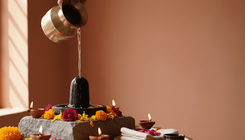
Abhishekam is the ritual bathing or ritual anointing of a deity with water, milk, honey, ghee and other sacred substances. The name comes from Sanskrit: abhi means "towards" and sekam means "to pour" or "to sprinkle". When you perform abhishekam, you are pouring offerings over the murti or image of the god, treating it as you would honour a guest in your home or a king receiving formal respect. It is one of the most widespread and beloved practices in Hindu worship, done in temples, at home shrines and during religious festivals across India.
Abhishekam is an act of devotion and purification. By bathing the deity with auspicious substances, you express love and reverence, and you also believe that the divine presence becomes more receptive to your prayers. The ritual washes away negative energies and invokes blessings. For the worshipper, preparing and performing abhishekam is itself a meditative practice—a way to focus your mind on the divine and strengthen your bond with the chosen deity.



The Meaning and Purpose of Abhishekam
Abhishekam is rooted in the idea that the murti holds the presence of the divine, not merely as stone or metal, but as a living focal point of worship. When you bathe the murti, you are not performing an act of cleaning in the ordinary sense. Instead, you are engaging in a sacred exchange: offering your devotion and receiving grace in return.
The ritual serves several purposes. First, it is an offering—one of the most direct ways to give something precious to the deity. Second, it is a form of worship (puja) that has been practised for thousands of years across different regions and sampradayas (lineages). Third, it is believed to purify both the murti and the worshipper: the sacred substances used in abhishekam are thought to carry spiritual power. When the bathing water flows over the idol and is later collected as tirtha (blessed water), it becomes a substance of grace that devotees take home to drink or sprinkle on their own heads.
Panchamrita: The Five Sacred Substances
The most common form of abhishekam uses panchamrita, literally "five nectars". This combination of five auspicious ingredients is used to anoint the murti in a flowing sequence. The five substances are milk, yoghurt, ghee, honey and sugar (or jaggery). Each has its own meaning and benefit.
Milk is a symbol of nourishment and purity. Yoghurt represents sweetness and abundance. Ghee is considered the most sacred of cooking fats and signifies prosperity and spiritual light. Honey brings sweetness and healing. Sugar or jaggery offers completion and wholeness. Together, they create panchamrita—a blend that is cooling, purifying and auspicious.
The panchamrita is poured slowly over the murti, usually starting at the head and flowing downwards. The order of pouring can vary by tradition and deity. In some temples, the five substances are poured one after another, each in its turn. In others, a pre-mixed version is prepared. After the abhishekam is complete, the liquid that collects in a vessel at the base of the murti is mixed with water and distributed to worshippers as tirtha, a blessed offering they can take home.
Shiva Abhishekam and Other Ritual Variations
While panchamrita abhishek is common, different deities and different occasions call for different approaches. Shiva abhishekam, or rudrabhishek, often employs particular substances linked to Shiva's mythology and nature.
In a rudrabhishek, the abhishekam items may include water from the Ganga or another sacred river, milk, yoghurt, honey and ghee, much like panchamrita. But there are regional and lineage-specific variations. Some traditions anoint the Shiva lingam with bilva leaves (wood apple leaves), which are sacred to Shiva. Others include sandalwood paste, ash or rudraksha beads in the ritual. The chanting of mantras—particularly the Maha Mrityunjaya Mantra or mantras from the Rudra Sukta—accompanies the abhishekam, adding layers of sound and intention to the pouring of water.
For other deities, the substances may differ. Devi is sometimes bathed with turmeric and fragrant waters. Krishna abhishekam may include milk and flowers. These variations reflect the nature and stories of each deity, and they are guided by the traditions that have evolved over centuries in different parts of India.
How Abhishekam is Performed
Abhishekam can be performed at home on a small scale, or in a temple as part of daily worship or a special ritual. The basic structure is similar in both settings, though a temple abhishekam is usually more elaborate.
To perform a simple abhishekam at home, you begin by preparing the murti—ensuring it is clean and facing the direction appropriate to your tradition. You gather the substances you will use: water, milk, yoghurt, honey, ghee and sugar are the main ones, though you might also include flowers, sandalwood paste or other items depending on your practice. You light a lamp and incense to invoke the divine presence. You may chant a mantra or sing a hymn to invoke the deity's attention.
Then, slowly and with reverence, you pour each substance in turn over the murti or image. You can pour directly or use a spoon or small vessel. Some people pour water first to soften and prepare the surface, then add the other offerings. As you pour, you may offer prayers, requests for blessings, or simply hold your devotion in silence. After all the substances have been poured, you collect the tirtha that has gathered below and later drink a small amount or offer it to others.
In a temple, a priest performs the abhishekam with more ceremony. There may be multiple rounds, each using different substances. Bells ring, conch shells are sounded and the assembled worshippers chant mantras together. The entire ritual can take several minutes or longer, depending on the occasion and the deity being honoured. Major festivals often feature elaborate abhishekams that are events in themselves, drawing crowds of devotees.
The Spiritual Significance and Blessings
When you perform or witness an abhishekam, you are participating in a practice that connects you to countless generations of worshippers who have done the same. The ritual acknowledges that the divine is present and responsive, that your love and care are received, and that blessings can flow back to you through the tirtha and the grace of the deity.
Many devotees report feeling a sense of peace, clarity or answered prayers after performing abhishekam, especially when done with focused intention over a period of time. The ritual is flexible enough to fit many lives: you can perform a full panchamrita abhishekam once a month, or you can do a simple water bathing every morning before your home shrine. The substance and the gesture matter less than the sincerity of your devotion.
Abhishekam connects the physical act of pouring water or milk with the inner intention of reverence and surrender. It reminds you that worship need not be complicated: sometimes the simplest offering—water flowing over a stone or metal form—can open a channel to the sacred.
How to perform a home abhishekam
- Prepare your murti and space Ensure your murti or image of the deity is clean and positioned facing the appropriate direction. Light a lamp and incense to invoke the divine presence.
- Gather your offerings Collect the substances you will use: water, milk, yoghurt, honey, ghee and sugar for a full panchamrita abhishekam. You can also add flowers, sandalwood paste or other items if you wish.
- Invoke the deity Chant a mantra, sing a hymn or offer a prayer inviting the deity to receive your worship. This sets the tone and focus for your ritual.
- Pour the offerings in sequence Slowly pour each substance over the murti, starting with water and then the other ingredients in turn. Pour with devotion and presence, whether silently or while chanting.
- Collect the blessed water Gather the tirtha (blessed water) that flows from the murti into a vessel. You may offer flowers or place them on the murti as well.
- Receive the blessing Drink a small amount of the tirtha, place a drop on your forehead, or offer it to family members as a blessing. Thank the deity for receiving your worship.
Common questions
What is the difference between panchamrita and other types of abhishekam?
Panchamrita uses five specific substances (milk, yoghurt, ghee, honey and sugar), while other abhishekams may use different materials suited to the deity—for example, bilva leaves and ash for Shiva, or turmeric and flowers for Devi. The choice depends on the deity's nature and local tradition.
Can I perform abhishekam at home, or is it only for temples?
You can perform abhishekam at home on your personal murti or image. A simple home abhishekam is as valid as a temple ritual; the difference is in scale and elaborateness, not in its spiritual value. Many devotees do a daily water pouring or monthly panchamrita abhishekam at their household shrine.
What should I do with the water after abhishekam?
The water that collects after pouring over the murti becomes tirtha, a blessed offering. Traditionally, devotees drink a small amount, sprinkle it on their head, or offer it to family members and guests. Some people also use it to water plants or pour it back into a water source with reverence.

Related Articles


