
What Does the Sacred Thread Mean in Hinduism?
A Thread Across the Heart, Woven Through Life

Abhilash Ramakrishna
03 Nov 2026 • 6min
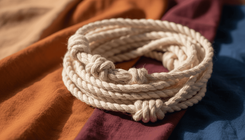
The sacred thread worn across the chest in Hindu tradition is called the yajnopavita or janeu. It is not merely a cord, but a symbol of a lifelong commitment to learning, spiritual practice and ethical living. The thread is traditionally worn from the left shoulder across the body to the right hip, and it carries spiritual meaning that connects the wearer to the Vedic heritage and to the responsibilities that come with that inheritance.



The Upanayana Ceremony
The sacred thread is conferred during a ceremony called upanayana, which marks a person's initiation into Vedic learning. The term upanayana means "to lead near" or "to bring forward", referring to the moment a child is brought to a teacher to begin formal study of the scriptures. Historically, this ceremony was performed for young people preparing to engage seriously with the Vedas and with the practices that would guide their spiritual life.
The upanayana is considered one of the samskaras, or life-stage rituals, that mark important transitions in a person's journey. During the ceremony, the teacher presents the thread to the student, along with a sacred mantra called the gayatri mantra. This moment establishes a formal relationship between teacher and student, and between the individual and the Vedic tradition itself. The ritual is still performed in many communities today, though the age at which it takes place and the specific practices surrounding it vary by region and sampradaya.
The Meaning of the Cord Itself
The sacred thread is traditionally made of cotton or silk, twisted into three strands that are then braided or knotted together. Each strand carries symbolic weight. The three strands are sometimes understood to represent the three gunas (qualities of nature): sattva (purity and truth), rajas (action and passion) and tamas (inertia and heaviness). By wearing the thread, the wearer is reminded to cultivate sattva and to balance the other gunas in their thoughts and actions.
The knots tied into the thread also hold meaning. The most common knot is called the brahma granthi or brahmin knot, which holds the three strands together. This knot is a visible reminder of unity and of the binding commitment the wearer has taken on. The placement of the knot varies slightly across different regions and traditions, but its presence is constant across all communities that maintain this practice.
The thread itself must be worn continuously, though it is replaced periodically. When a thread becomes old or frayed, or during certain festivals and life events, a new one is put on in a simple ceremony. This replacement is not seen as rejecting the old practice, but as renewing one's commitment to the values the thread represents. The ritual of replacing the thread is sometimes called upanayana punar, or "upanayana renewed".
The Thread as a Mark of Responsibility
Wearing the yajnopavita carries ethical and spiritual responsibilities. In the classical understanding, the wearer commits to living according to dharma (righteousness), to supporting and protecting others, and to pursuing knowledge and wisdom throughout their life. The thread is a constant, visible reminder of these obligations.
One central responsibility is the duty to study and to engage with sacred knowledge. This does not necessarily mean becoming a scholar in the formal sense; it means approaching learning with sincerity and respect, and using knowledge to serve others. Another responsibility is to live ethically and to uphold the values of one's family and community. The thread worn across the chest, close to the heart, symbolises that these values are carried not as abstract rules but as inner convictions.
In some traditions, the sacred thread also marks the wearer as part of a sampradaya, a particular lineage or school of practice. Different lineages may have slightly different ways of tying or wearing the thread, or may observe particular rituals connected to it. These variations reflect the richness of Hindu practice and the fact that there is no single way of being Hindu, but many ways held together by common principles and respect.
Regional and Contemporary Practice
The wearing of the sacred thread is not universal across all Hindu communities. It is practised most widely among certain groups and in certain regions, particularly among Brahmins and other communities in parts of South India, North India and among diaspora communities. The specific customs surrounding upanayana, the age at which it is performed, and the expectations placed on the wearer all vary considerably.
In contemporary practice, many individuals and families choose to perform upanayana as a way of connecting to their heritage and of marking a young person's readiness to engage more seriously with their faith and their responsibilities. Some perform the ritual at a young age, others at adolescence or adulthood. Some communities include girls and women in this ceremony, broadening its significance beyond its historical restrictions. Other families do not perform upanayana at all, yet maintain the values it represents.
The sacred thread remains, for those who wear it, a tangible link to an ancient tradition and a daily reminder of the commitments and values that shape a spiritual life. Whether worn continuously or replaced at significant moments, it is a thread that joins the wearer to countless generations who have worn it before, and to the larger community of those who share these beliefs and practices today.
Common questions
At what age is the sacred thread ceremony usually performed?
The age varies significantly by community and family preference. Historically it was performed around age 8 to 12, but today families perform upanayana anywhere from childhood through adulthood, and some families choose not to perform it at all. The timing is a personal and family decision.
Can women and girls wear the sacred thread?
Traditionally, the sacred thread was conferred on boys in certain communities, but contemporary practice is changing. Some communities and families now include girls and women in upanayana and the wearing of the sacred thread, reflecting evolving understandings of spiritual practice and responsibility.
How often should the sacred thread be replaced?
There is no fixed timeline, but the thread is typically replaced when it becomes worn or frayed, or at significant moments such as marriage or during certain festivals. Some wearers replace it annually, while others do so less frequently depending on the thread's condition and personal practice.

Related Articles


