
Vrischikam Sankramam and the Beginning of Mandala Vratham
Ayyappa's 41-day vigil starts in the Scorpio month

Sunil Chaurasia
27 Oct 2026 • 7min
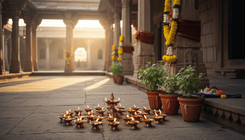
Vrischikam Sankramam marks the Tamil month of Vrischikam, when the sun enters the Scorpio zodiac sign. This transition holds deep significance in Kerala temple practice, particularly for followers of the Ayyappa tradition, because it signals the start of Mandala Vratham—the 41-day sacred observance that culminates at the Sabarimala temple in December.
Mandala Vratham is not a fast in the way many other vrats are. It is a period of disciplined living undertaken by devotees, known as ayyappas, who pledge to maintain ritual purity, modify their diet, avoid certain activities and follow a daily spiritual practice in preparation for the pilgrimage to Sabarimala. The observance takes its name from the Malayalam word mandalam, which refers to a circular or orderly period. The 41 days—seven cycles of six days each, plus one—reflect an important number in Hindu spiritual practice, linked to transformation and completion. Devotees who complete the vratham believe they have purified themselves sufficiently to approach Ayyappa at his temple.
The timing of this vratham to Vrischikam Sankramam is not arbitrary. The Malayalam almanac, or panchanga, marks this solar transition as a natural beginning point for the inward turn of spiritual practice as the year moves toward its close. For many Kerala families, the sound of the Ayyappa bhajan—the devotional song that names Ayyappa and asks for his grace—begins to fill homes from this period onward, creating an atmosphere of collective preparation across the region.



The Ayyappa Tradition and Sabarimala
Ayyappa is worshipped as a celibate deity, the son of Shiva and Vishnu in his Mohini avatar, and his worship centres on the Sabarimala temple in the Western Ghats. The temple is open to pilgrimage during specific seasons, and the major pilgrimage season arrives in November and December, following the Mandala Vratham period. Ayyappa worship is characterized by simplicity, austerity and a strong sense of community participation across Kerala and neighbouring Tamil Nadu.
The Mandala Vratham exists to prepare the devotee for this pilgrimage. It is understood not as punishment or denial, but as a willing purification—a sharpening of focus and intention. The forty-one days create a container within which a person can genuinely shift their attention from everyday preoccupations and turn it toward the sacred. This is understood to be necessary work; Sabarimala is considered a place of testing as well as grace, and the vratham prepares the pilgrim to receive what the temple offers.
The tradition binds together millions of people across social groups and castes, united by a common preparation and a common goal. The Ayyappa sampradaya, or school of worship, is known for this inclusive spirit. Devotees from many backgrounds undertake the vratham together, sometimes in family groups or in organized community settings.
What the Mandala Vratham Involves
The specific rules of the vratham can vary slightly between families and regions, but the general structure is consistent. A devotee typically begins the vratham on the day of Vrischikam Sankramam and continues for 41 days, finishing just before the annual opening of the Sabarimala temple. During this time, they avoid meat, fish and eggs, subsisting instead on vegetarian food, often rice and vegetables, sometimes with a simpler diet still. Onion and garlic are usually avoided. Many devotees eat only one meal a day, typically in the evening.
Beyond diet, the vratham involves behavioral discipline. A devotee in the vratham avoids intoxicants, maintains sexual restraint, and typically avoids entertainment like cinema or television. Some devotees sleep on the floor or on a mat, maintaining a physical austerity that reflects their inner intention. Daily prayer, often in the form of japa—the repetition of a mantra or name—becomes the rhythm of the day. Many chant the Ayyappa Sahasranama or other devotional texts, or listen to and sing Ayyappa bhajans.
The observance is not rigid in the way a legal prohibition is. Different families make different choices about strictness, and regional variations exist. What matters fundamentally is the sincere undertaking of discipline and the turning of the mind toward devotion. An elderly person or someone with a health condition might modify the diet while keeping the spirit of restraint. The essential commitment is the one that matters most.
Why Vrischikam Sankramam Marks the Start
The choice of Vrischikam Sankramam as the beginning of the vratham is rooted in the Kerala lunar calendar. This solar month arrives in mid-October and represents a natural turning point in the year, particularly in the southern Indian context. It comes at a time when the monsoon has passed, the harvest is gathered, and the mind naturally turns inward. Astrologically, Vrischikam is associated with introspection, intensity and the deeper movements of transformation.
The period between Vrischikam Sankramam and the temple opening creates a defined spiritual season. It gives shape to what might otherwise be an ordinary span of time. For devotees, those 41 days become sacred time, marked off from the rest of life, lived according to different rules and expectations. Families count down the days. Children learn the names of the weeks and understand that their household is participating in something larger. Elderly relatives share stories of their own pilgrimages. The vratham becomes a vehicle for transmitting the tradition itself across generations.
The Mandala Vratham is not unique to the Ayyappa tradition, and similar 41-day observances occur in other Hindu spiritual practices. But in the Ayyappa sampradaya, it has become the defining spiritual act, the proof of serious intention, the visible and lived preparation that culminates in the pilgrimage itself.
The Community Dimension
The vratham is understood as a personal commitment, but it is lived within a community. In Kerala towns and villages, groups of devotees gather to sing Ayyappa bhajans together during the 41 days. These gatherings, often called bhajan mandalis or Ayyappa groups, are open to anyone who wishes to join. They create a sense of collective preparation and shared purpose. The songs are often set to simple melodies and passed down through oral tradition, and they tell stories of Ayyappa's life, his renunciation and his grace toward those who call upon him.
Some devotees also undertake ritual observances at home, maintaining a small shrine space and offering flowers or tulsi leaves to a picture or idol of Ayyappa each day. This daily practice anchors the internal commitment in a physical and visible act. These home practices vary widely; what matters is that they reinforce the devotee's intention to live differently during this period.
The Mandala Vratham is ultimately an expression of faith translated into daily life. It says: I believe in the sacred; I am willing to change how I live to honor it; I am not alone in this commitment. Vrischikam Sankramam does not cause the vratham to begin—the devotees' choice to begin it does—but the solar transition provides the calendar marker, the moment when thousands of people together turn their faces toward Sabarimala and take their first steps on the spiritual path.
Common questions
Can I start Mandala Vratham on a day other than Vrischikam Sankramam?
Traditionally, the vratham begins on Vrischikam Sankramam, but some devotees who cannot start on that date begin as soon as possible afterward and complete their 41 days by the temple opening. The key is sincere commitment rather than adhering rigidly to the calendar date. However, starting on Vrischikam Sankramam is considered auspicious and connects you to the larger community beginning at the same time.
Do women observe Mandala Vratham?
Yes, women do observe Mandala Vratham and undertake the Sabarimala pilgrimage. However, the Sabarimala temple has historically restricted entry to women of menstruating age, which has been a matter of significant social and legal debate in Kerala. Regardless of entry rules, women maintain the vratham as part of their spiritual practice and devotion to Ayyappa.
What happens if I break the vratham rules before the 41 days are complete?
Most traditions allow a devotee to restart the vratham if they break the vow, beginning again from day one. Some families undertake a restart with a specific ritual or offering. The core principle is that the vratham reflects sincere intention; if you slip, you return to the discipline rather than abandoning it entirely.

Related Articles


