
Vrischikam Sankramam 2026: When Mandala Vratham Begins in the Ayyappa Tradition
Scorpio's Gateway, 41 Days of Devotion

Abhilash Ramakrishna
26 Oct 2026 • 7min
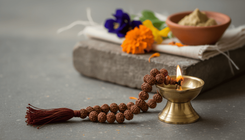
Vrischikam Sankramam 2026 is the day when the sun enters the sign of Scorpio in the Hindu calendar, and it is when the Mandala Vratham begins in the Ayyappa tradition. This is one of the most important dates in the Sabarimala pilgrimage cycle, marking the start of a 41-day spiritual practice that draws hundreds of thousands of devotees from across India and beyond. If you are considering this practice or curious about its significance, understanding when and why it begins is the first step.



What is Vrischikam Sankramam?
Sankramam means the transition of the sun from one zodiac sign to another in the solar calendar known as the Saura Mana. Vrischikam is the Tamil and Malayalam name for the sign of Scorpio. When the sun enters Vrischikam, it marks a significant shift in the calendar, and many observances in South India—particularly in Kerala and Tamil Nadu—align with this moment. In Kerala, Vrischikam Sankramam is observed by Hindu families as a day of ritual significance, with many performing abhishekam (ritual bathing) of household deities and making offerings.
For followers of the Ayyappa tradition, Vrischikam Sankramam carries a particular weight. The sun's entry into Scorpio signals the beginning of the four-month period when access to the Sabarimala temple opens for pilgrims. This period is called the Mandala Kalam, or the 41-day vrat period. The timing is astronomical and follows the movement of the sun, which means the exact date shifts slightly from year to year. It does not fall on the same day of the month each time.
The Mandala Vratham: A 41-Day Journey
Mandala Vratham is the formal ritual fasting period that begins on Vrischikam Sankramam and continues for 41 days, ending at Makaramjyoti, the celestial light that appears at the Sabarimala temple at the end of the pilgrimage season. Mandala means a cycle or circle, and the 41 days form a complete spiritual cycle before the temple closes for the summer months. This is not a casual observance; it is a structured practice that devotees follow with specific disciplines.
During Mandala Vratham, followers of Ayyappa undertake practices meant to purify the body and mind. This typically includes vegetarian eating, early waking, meditation, and visits to temples. Many devotees also practice Giri Vrat, which is a stricter version involving visits to 41 sacred sites or mountains associated with Ayyappa. The practice requires the wearer of the sacred beads (mala) to maintain a state of ritual purity and abstain from intoxicants, meat, and sexual relations. The intention is to approach the deity with a body and mind cleared of distractions and impurities.
The 41-day structure is said to reflect the 41-day celibacy period that Ayyappa himself is believed to have observed before achieving his spiritual purpose. By walking this same path, devotees feel they are joining in the deity's spiritual journey. It is a time when many households abstain from certain foods and routines, and the air around temples is thick with the sound of devotional songs and the scent of incense and sandalwood.
Why Does the Ayyappa Tradition Begin With Vrischikam Sankramam?
The choice of Vrischikam Sankramam is rooted in both mythology and astronomy. In the Ayyappa narrative, the deity is said to have achieved his spiritual purpose and attained a meditative state of eternal celibacy at the end of the pilgrimage season. The cycle of devotion mirrors this journey. By beginning during Vrischikam—a period associated with transformation and discipline in Indian astrology—devotees align themselves with cosmic energies believed to support spiritual practice.
Astronomically, Vrischikam Sankramam marks a time when the day and night are shifting toward greater darkness in the Northern Hemisphere, a period associated with inward reflection in many traditions. For the Ayyappa tradition, this is an ideal moment to turn attention inward and prepare the spirit for pilgrimage. The 41-day period that follows allows devotees to complete their practice before the monsoon season approaches, making temple access increasingly difficult. In this way, the tradition binds spiritual practice to the rhythms of both the cosmos and the seasons.
How to Prepare for Mandala Vratham
If you plan to undertake Mandala Vratham during the upcoming season, preparation often begins before Vrischikam Sankramam itself. Many devotees wear the Ayyappa mala (sacred beads) starting 48 days before the vrat, which means beginning the practice well in advance. Others begin on Vrischikam Sankramam itself and continue the observance for the full 41 days until Makaramjyoti.
Practical preparation includes setting up a small shrine at home where you can perform daily rituals and prayer. Familiarizing yourself with vegetarian eating practices and setting aside time for temple visits are also important. Many devotees listen to Ayyappa kirtans (devotional songs) and read scriptures related to the deity. If you are planning to make the pilgrimage to Sabarimala, confirming travel arrangements and understanding the temple's protocols beforehand will help you approach the journey with ease and clarity.
The 41-day vrat is a personal commitment, and the depth of practice varies from person to person. Some observe it strictly with multiple daily prayers and temple visits; others follow a gentler version while maintaining the core disciplines. What matters is consistency and sincerity. Speak with experienced practitioners or a guide at your local Ayyappa temple to understand what is expected and what would be realistic for your circumstances.
Regional Variations and Modern Practice
Mandala Vratham is most widely observed in Kerala, where the Ayyappa tradition is strongest, but it is also kept by communities across South India and by diaspora communities worldwide. The core practice remains the same—the 41-day cycle beginning at Vrischikam Sankramam—but the intensity and specific rituals may differ. In some households, the entire family participates and transforms their routine; in others, one or two members carry the practice while the rest support them.
In modern times, not everyone who begins the vrat completes it on their first attempt. Life circumstances, health, or family situations sometimes interrupt the journey. The tradition is flexible enough to allow practitioners to resume, though restarting the full 41 days is considered ideal. Many temples now offer guidance for those starting the practice for the first time, recognizing that contemporary life poses challenges that earlier generations may not have faced.
Vrischikam Sankramam 2026 will arrive as it always does, according to the sun's movement through the zodiac. When it does, thousands of devotees will tie on their malai and step into the Mandala Vratham, beginning a 41-day journey inward. Whether you join them or simply wish to understand the tradition more deeply, knowing when and why this practice begins connects you to a rhythm that has shaped the spiritual lives of Ayyappa followers for generations.
Common questions
What date is Vrischikam Sankramam 2026?
Vrischikam Sankramam follows the sun's movement through the zodiac, so the exact date shifts slightly each year and cannot be fixed in advance. The date falls sometime in the middle of October or November in the Gregorian calendar. Check your local temple or a Hindu calendar closer to the time for the precise date in 2026.
Can I start Mandala Vratham if I miss Vrischikam Sankramam?
Ideally, Mandala Vratham begins on Vrischikam Sankramam itself, as the spiritual energy is believed to align with the sun's entry into Scorpio. Starting later is possible for genuine reasons, but practitioners traditionally consider restarting the full 41-day cycle from the proper date to be ideal. Consult your temple guide or an experienced devotee for advice on your situation.
Is Mandala Vratham only observed at Sabarimala?
While Mandala Vratham is most closely associated with Sabarimala pilgrimage in Kerala, it is observed by Ayyappa devotees across South India and among diaspora communities worldwide, even those who do not travel to the temple. The core 41-day practice—vegetarian eating, ritual purity, and daily prayer—can be kept anywhere.

Related Articles


