Vakrasana – The Power of the Twist
A Comprehensive Guide to Revitalize Your Body and Mind.
Shanti Arunkumar
02 Apr 2025 • 6min
Introduction
How often do we see highly successful individuals in bustling cities consumed by endless meetings, tight deadlines, and relentless screen time? Hours spent hunched over laptops, combined with minimal physical activity, often result in stiff backs, sluggish digestion, and mental fatigue. It's no wonder chronic neck and back pain are becoming increasingly common among professionals.
My neighbor perfectly fits this description. He once shared his struggle with severe back and neck pain after long working hours. Following temporary relief from medications, I introduced him to a simple yet powerful yoga posture—Vakrasana. I described it as similar to "wringing out a cloth," effectively releasing tension, stiffness, and sluggishness accumulated over time.
Skeptical yet willing to try, he followed my instructions, feeling a soothing stretch along his spine and a comforting release in his abdomen. Within weeks of consistent practice, he noticed improved digestion, reduced stiffness, and greater mental clarity. A seemingly simple twist had truly transformed his physical and mental health.
Let's explore how Vakrasana can do the same for you.
What is Vakrasana (Twisted Pose)?
Vakrasana, derived from the Sanskrit words "Vakra" meaning twisted, and "Asana" meaning pose, is a seated yoga twist that gently yet effectively stretches and strengthens the spine and abdominal organs. It's particularly beneficial for individuals experiencing stiffness and digestive issues caused by prolonged sitting.
How to Perform Vakrasana – Step by Step Guide
Starting Position:
- Sit comfortably on the floor, legs extended straight in front.
- Keep your spine upright and hands resting beside your hips.
Bending the Leg:
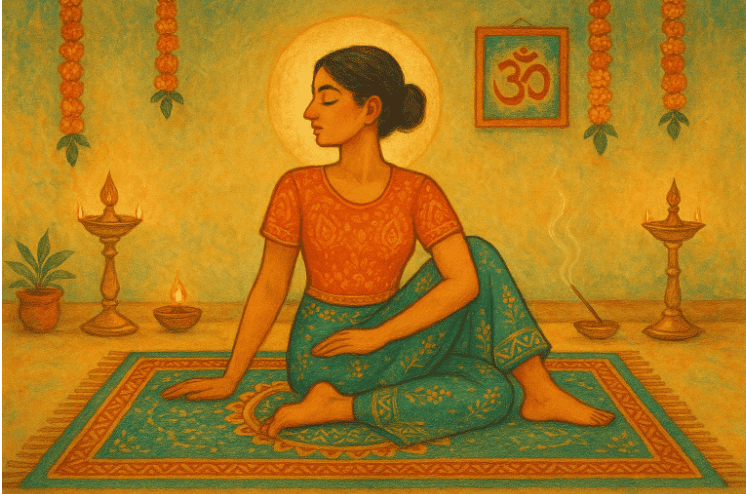
- Bend your right knee and place your right foot flat on the floor, close to the outer side of your left knee.
Positioning the Hand:
- Place your right palm behind your back for support.
- Bring your left hand over your right knee, resting it gently on the outer side of the knee (or hold your right ankle if preferred).
Twisting the Torso:
- Inhale deeply, elongating your spine.
- Exhale, gently twisting your torso to the right side, turning your head in the same direction.
- Keep your shoulders relaxed and back straight.
Holding the Pose:
- Stay in this twisted position for 20–30 seconds, breathing deeply and comfortably.
- With each exhale, try to gently deepen the twist without forcing or straining.
Releasing the Pose:
- Inhale and slowly return your torso to the central position.
- Extend your right leg back into the starting position.
Repeat on the Other Side:
- Repeat the entire sequence on your left side, twisting your torso to the left.
Modifications for Beginners or Limited Flexibility
If you're new to yoga or have limited flexibility, consider the following adjustments:
- Place a folded blanket or yoga block under your hips for extra support.
- Hugging your knee rather than placing your hand outside the knee can provide a gentler twist.
- Slightly bend the extended leg if you have tight hamstrings.
- Keep your twisting movement subtle and controlled if deep twisting causes discomfort.
Benefits of Vakrasana
Practicing Vakrasana regularly offers multiple holistic benefits, including:
- Improved Spinal Flexibility: Enhances spinal mobility, relieving stiffness.
- Better Digestion: Massages and stimulates the abdominal organs, promoting digestive health.
- Detoxification: Boosts circulation, helping flush out toxins from the body.
- Stronger Back and Core: Strengthens and tones muscles around the spine and abdomen.
- Enhanced Lung Capacity: Opens the chest, allowing deeper and more efficient breathing.
- Increased Concentration: Balances the nervous system, promoting mental clarity and focus.
Contraindications: When to Avoid Vakrasana
While beneficial for most, Vakrasana isn't suitable in certain conditions:
Spinal Injuries or Recent Surgeries: Avoid twisting if you have severe back problems.
Pregnancy: Twisting poses can put unwanted pressure on the abdomen.
Severe Digestive Disorders: Deep twists may worsen hernias or ulcers.
Heart Conditions: Always consult your healthcare provider before practicing this pose if you have cardiovascular concerns.
Do’s and Don’ts for Practicing Vakrasana
Do’s:
- Keep your spine elongated and upright while performing the twist.
- Engage your core muscles for stability.
- Practice the pose gently, with smooth and deep breaths.
- Keep your shoulders aligned and relaxed.
Don’ts:
- Avoid forcing the twist beyond comfort—yoga should never cause pain.
- Refrain from sudden or jerky movements; keep the twist controlled.
- Never hold your breath; breathe naturally and rhythmically.
- If experiencing discomfort or sharp pain, immediately stop and seek professional guidance.
Conclusion: Twisting Towards Wellness
Incorporating yoga practices like Vakrasana into your daily routine can significantly enhance physical flexibility and mental clarity. This simple twist not only alleviates back stiffness but also promotes better digestion and a balanced state of mind.
For those seeking a holistic approach to wellness that aligns with Hindu traditions, the Dharmayana app serves as an excellent companion. Offering features such as personalized prayers, accurate Panchang, and detailed guides on rituals and customs, Dharmayana seamlessly integrates spiritual practices into modern life. Download the app today to embark on a journey towards enhanced well-being and spiritual growth.

Related Articles