
Vahanas: The Sacred Animals That Carry the Hindu Gods
Each deity's companion reveals their power and grace

Kushal K
18 Nov 2026 • 6min
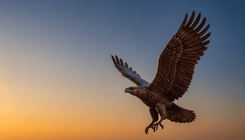
A vahana is the animal mount or vehicle of a Hindu deity. The word comes from the Sanskrit root vah, which means to carry or bear. Each god and goddess in the Hindu tradition has a vahana that is inseparable from their identity, appearing in paintings, sculptures and stories. The vahana is not merely a symbolic accessory. It represents qualities that the deity embodies, carries spiritual significance that connects worshippers to the god's presence, and often plays an active role in the mythology surrounding that deity.



What a Vahana Represents
A vahana expresses the essential nature and power of the deity it carries. The chosen animal is never random. It may represent qualities the deity possesses, symbolise the forces they command, or embody the spiritual principle they protect. For instance, Shiva rides the bull Nandi, whose steadiness and grounded strength mirror Shiva's role as both destroyer and ascetic yogi. Lakshmi, the goddess of abundance and fortune, rides the owl, an animal associated with wisdom and watchfulness over precious things. When you see an image of a deity with their vahana, you are seeing a complete picture: the god and the animating principle they represent working as one.
The vahana also serves as a reminder that all beings, not just humans, play a role in the divine order. By honouring the deity, you extend respect to their vahana as well. In temples and during worship, the vahana is often depicted alongside the main idol, and in many cases receives its own offerings and prayers. This practice reinforces the unity between the deity and their mount.
Vahanas of the Major Deities
Brahma, the creator god, rides on the Hamsa or divine swan. The hamsa symbolises divine knowledge and the soul's ability to distinguish truth from illusion. Vishnu, the preserver, rides the Garuda, a mythical eagle-like creature of immense strength and speed. Garuda represents courage, power and the triumph of good over evil. In the Bhagavata Purana and other texts, Garuda is described as Vishnu's devoted companion, and stories recount how Garuda carried Vishnu across the three worlds.
Shiva's vahana is Nandi, the sacred bull. Nandi is not merely Shiva's mount but is honoured as his devoted follower and gatekeeper of his temple. In Shaivite temples, Nandi usually sits facing the main shrine, watching over devotees. Parvati, Shiva's consort, rides a lion, which represents the fierce, protective aspect of the divine feminine. Durga also rides a lion or tiger, emphasising her role as a warrior goddess who defeats demons and protects her devotees. In some regional traditions, Durga is shown on a different vahana, such as a buffalo, reflecting local variations in the mythology.
Ganesha, the remover of obstacles, rides a mouse or rat. This small creature symbolises humility and the ability to find a path through any obstacle, no matter how tightly enclosed. The choice reflects Ganesha's teaching that no being is too small or insignificant to receive the deity's grace. Hanuman, the monkey devotee of Rama, is often portrayed as a vahana-like figure himself, illustrating the principle of selfless devotion.
Indra, the king of the devas and the deity of rain, rides the white elephant Airavata. The elephant represents strength, prosperity and the granting of wishes. Airavata is said to have emerged from the churning of the cosmic ocean, linking the vahana to creation itself. Saraswati, the goddess of learning and music, rides the swan or sometimes the peacock, symbolising grace, elegance and the beauty of knowledge.
The Symbolism of Vahana Animals
Different animal vahanas carry specific meanings across Hindu philosophy. The cow represents fertility, nourishment and non-violence (ahimsa). The lion and tiger embody power, courage and the protective force that subdues the ego. The eagle or falcon symbolises vision, swiftness and the ability to see from a higher perspective. The snake, which appears in the mythology surrounding Shiva (coiled around his neck) and features in the story of Lakshmi, represents kundalini energy, transformation and the cycles of renewal.
Water-dwelling animals like the swan and fish carry meanings related to moksha, or spiritual liberation. The swan, in particular, represents the individual soul (atman) separating from illusion to realise its unity with the divine. The rat or mouse, though small and often overlooked in everyday life, teaches that wisdom and grace do not depend on size or strength. These symbolic layers mean that encountering a deity's vahana in art, story or ritual is an opportunity to reflect on the teaching that animal carries.
Vahanas in Worship and Temple Practice
In daily puja and temple worship, the vahana is honoured as an integral part of the deity's form. When you make an offering to a god, you are often making offerings through their vahana as well. In many temples, the vahana has its own shrine or resting place near the main deity. Devotees sometimes touch or pour water over the image of the vahana as a way of expressing their devotion and receiving blessings. Circumambulating the shrine includes paying respects to the vahana.
During festivals and processions, deity vahanas are recreated in elaborate forms. The Durga Puja celebrations in eastern India, for example, feature processions where the lion vahana is prominently displayed. These public representations remind worshippers of the sacred relationship between god and animal. Some temples employ live animals—notably bulls in Shaivite temples—as living reminders of the deity's presence. These animals receive care, respect and offerings as extensions of the god they represent.
Understanding your deity's vahana deepens your practice. When you meditate on a god or goddess, visualising their vahana alongside them connects you to the complete symbolic and spiritual teaching that deity brings. Over time, the vahana becomes inseparable from your own inner vision of the divine force you are honouring.
Common questions
What is the vahana of Lakshmi?
Lakshmi, the goddess of wealth and prosperity, has the owl as her vahana. The owl symbolises wisdom, watchfulness and the ability to see in darkness, qualities associated with discovering and guarding prosperity and good fortune.
Why does Ganesha ride a mouse?
Ganesha's vahana is the mouse, which represents humility and the power to find a path through any obstacle. The choice teaches that Ganesha grants blessings to all beings, no matter how small or seemingly insignificant, and that obstacles yield to resourcefulness rather than force.
Are vahanas depicted in all Hindu temples?
Most major temples include the vahana in their iconography, either as part of the main idol, in a separate image, or in architectural decoration. However, the prominence and form of the vahana representation varies by temple tradition, region and the specific deity worshipped.

Related Articles


