
Understanding Hindu Funeral Rites: Antyeshti Samskara
Death as Passage, Not Ending

Sunil Chaurasia
08 Nov 2026 • 6min
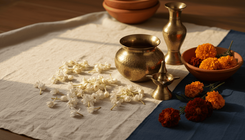
Hindu funeral rites, known as antyeshti samskara, mark the transition of the soul after death. The word antyeshti combines 'anta' (end) and 'ishti' (offering), describing the final sacred ritual in the cycle of life. These rites are not primarily about honouring the dead body, but about aiding the soul's onward journey and affirming the continuity of life through ritual and family obligation.
The approach to death in Sanatan Dharma differs from many Western traditions. Rather than viewing death as an end, it is understood as a transformation—part of the eternal cycle of birth, death and rebirth. The specific rituals performed depend on age, caste, family sampradaya (lineage tradition) and regional custom, but the underlying principle is consistent: the rites are designed to sever the soul's attachment to the physical body and guide it toward its next state.



The Role of Cremation
Cremation is the most common form of disposal in Hindu funeral rites, though it is not universal across all communities or regions. The fire symbolises purification and the dissolution of the physical form. By returning the body to its constituent elements through heat, the ritual acknowledges that matter is impermanent and that the soul is distinct from the body it inhabited.
The cremation typically takes place within 24 hours of death, at a crematorium or cremation ground. The eldest son, or the most senior male family member present, is usually the one who lights the funeral pyre or signals the beginning of the cremation process. This act, known as performing the mukhagni (literally "mouth fire"), is considered an important duty and marks the son's new role as head of the household.
The body is prepared with care: it is bathed, dressed in clean white cloth or a simple shroud, and carried to the cremation site by family members. There is no embalming or elaborate cosmetics; the preparation emphasises simplicity and the return of the body to nature. Flowers, particularly marigolds, are often placed on the body as a mark of respect.
Mourning, Ritual Offerings and the Terahvi
The period immediately following cremation is one of structured grief and household ritual. In many traditions, the family enters a period of mourning lasting between 10 and 13 days. During this time, a small sacred fire may be kept in the home, and the household follows certain restrictions: avoiding outside entertainment, refraining from cooking certain foods, and focusing on prayer and remembrance.
The terahvi ceremony (also called terahvin), held on the thirteenth day after death, marks a significant turning point. The word terahvi derives from 'terah' (thirteen). This ritual involves family members gathering to make food offerings and conduct prayers intended to ease the soul's transition. Some traditions observe rituals on the 11th or 12th day instead, depending on regional practice and the Panchanga (lunar calendar).
Throughout the mourning period, the family performs shraddha rituals—offerings of water, rice, sesame seeds and other foods made to the deceased. These are believed to nourish the soul during its transition and are seen as an expression of continuing family bonds. The ritual acknowledges that while the body has gone, the relationship and the family's obligation to the departed continue.
Regional Variations and Sampradaya Differences
Hindu funeral practices vary significantly across regions and communities. In South India, certain Brahmin communities traditionally perform rituals that differ from those in North India. Some communities cremate the body immediately upon death; others observe a longer waiting period. The foods offered, the duration of mourning and the specific mantras chanted reflect local tradition and caste custom.
For children, particularly infants who have not yet been formally named or initiated into the community, funeral rites may be simplified or omitted entirely in some traditions. The reasoning reflects an understanding that the soul has not yet fully anchored to worldly life. Conversely, some communities extend and elaborate the mourning period for particularly senior or respected family members.
Widows and widowers, parents of the deceased, and children are often subject to particular observances during mourning. These may include dietary restrictions, the wearing of plain white cloth, and abstinence from certain rituals or celebrations. The purpose is not punishment, but an acknowledgement of their intimate loss and a structured period for grief to be expressed and metabolised.
Maintaining the Relationship After Death
The end of the formal mourning period does not mark the end of the family's connection to the deceased. In many households, shraddha is performed on certain occasions throughout the year—on the departed person's birthday, during Pitru Paksha (a fortnight each autumn dedicated to honouring ancestors), and on death anniversaries.
These ongoing rituals serve multiple purposes. They affirm the continuity of the family line and the bonds that transcend death. They are believed to support the soul's progression through different realms or states of existence. And they give the living a structured way to remember, honour and process their grief over time rather than confining it to a single period.
The practice reflects a fundamental Hindu understanding: that life and death are not opposites, but part of a continuum. The dead remain part of the family narrative. Through ritual and remembrance, they remain woven into the household's spiritual life.
Common questions
What is the difference between antyeshti and shraddha?
Antyeshti refers to the funeral rites performed immediately after death, centred on cremation and the first 13 days of mourning. Shraddha refers to the ongoing ritual offerings made to the deceased throughout the year—on the death anniversary, during Pitru Paksha and at other significant times. Shraddha continues the family's relationship with the departed soul long after the funeral rites are complete.
Can a woman perform the mukhagni in Hindu funeral rites?
In orthodox traditions, the eldest male family member has typically performed this duty, but practices are evolving. An increasing number of families and communities now permit or encourage daughters, widows and other female family members to light the funeral pyre or signal the start of cremation, especially where no son is present. Many Hindu communities recognise that the ritual's purpose is to guide the soul, not to enforce gender roles.
What happens if cremation cannot take place within 24 hours?
While 24 hours is the traditional timeframe, circumstances such as distance, administrative procedures or the need to gather distant family may extend this period. In such cases, the body is kept in a cool place and the core rituals are performed when cremation does take place. The principles underlying the funeral rites remain the same, and the mourning and shraddha practices are observed according to when the cremation actually occurs.

Related Articles


