
Tulsi Kadha: The Traditional Herbal Decoction
Healing warmth in every sip

Sunil Chaurasia
16 Nov 2026 • 7min
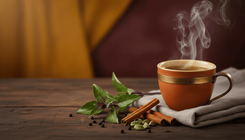
Tulsi kadha is a warm herbal drink made from holy basil and other traditional spices, valued in Ayurveda for supporting immunity and seasonal wellness. The word kadha means decoction—a concentrated liquid made by simmering herbs in water. This simple drink has been part of Indian households for generations, reaching for it when someone feels run down or when the seasons shift. It is not medicine in the modern sense, but rather a tonic: something to support your body's own resilience.
The strength of tulsi kadha lies partly in tulsi itself. The plant is known in Ayurveda as an adaptogen, a substance that may help the body respond better to stress and seasonal changes. Tulsi comes in three main varieties used in practice: Krishna tulsi (dark, with a peppery note), Rama tulsi (milder and sweeter), and Vana tulsi (wild, growing naturally). Most tulsi kadha uses Krishna tulsi or a blend, though any variety can work. The leaves release their qualities slowly in hot water, and the longer you simmer the decoction, the stronger it becomes.



The Ingredients and Their Purpose
The core of tulsi kadha is tulsi leaves, but it is the supporting herbs that make it work as a warming tonic. Ginger (adrak) brings heat and aids digestion. Black pepper (kali mirch) sharpens the warmth and helps the body absorb the other herbs. Cardamom (elaichi) adds a gentle, slightly sweet note and is believed in Ayurveda to cool the respiratory system even as the drink itself warms you. Cinnamon (dalchini) and cloves (laung) bring deeper warmth and a natural sweetness that means you do not need much added sugar. Some preparations add tulsi seeds (known as sabja or takmaria), which swell in the hot liquid and release a cooling, mucilaginous coating thought to soothe the throat.
The exact blend varies by household and region. In some parts of North India, jaggery (gur) is stirred in to balance the warming spices. In others, a small piece of dried liquorice root (mulethi) appears in the mix. Some people add a pinch of long pepper (pipali) for deeper penetrating warmth. There is no single correct recipe because tulsi kadha is a folk preparation, transmitted through families rather than written down. What matters is the principle: tulsi as the main herb, with warming spices that complement it and support digestion.
How Tulsi Kadha Fits into Ayurveda
In Ayurvedic thinking, tulsi kadha is used to support the body during transitions—seasonal changes, or times when someone feels their resistance slipping. It is particularly used during cooler months or when respiratory health feels fragile. The drink is considered warming in quality (ushna virya) and slightly drying, which in Ayurveda means it can help clear excess moisture from the respiratory and digestive systems.
The reasoning behind tulsi kadha in Ayurveda is about supporting what the tradition calls agni, or digestive fire. A properly functioning agni is thought to be the foundation of health. The warming spices in the decoction encourage this fire, and tulsi itself is believed to have cleansing properties. Whether or not this aligns with modern biochemistry, the drink works on a practical level: it tastes warming, it comes to you hot, and there is something settling about the ritual of sipping it.
Tulsi kadha is not meant as a primary treatment for illness but as a preventive tonic—something to reach for during the weeks when colds circulate, or to bring you back into balance after you have been out of routine. Some practitioners suggest a cup in the morning or evening during the cooler months, or a few times a week year-round for those inclined to seasonal dips in energy.
Preparing Tulsi Kadha
The decoction is simple to prepare but benefits from a deliberate approach. Begin with fresh or dried tulsi leaves and your chosen supporting spices. If using fresh tulsi, tear the leaves gently; dried leaves can go in whole. Lightly crush your spices—a cardamom pod, a small piece of cinnamon stick, three or four cloves—so they will give up their flavour more readily. This is not heavy crushing but a gentle fracture to open them.
Bring water to a rolling boil, then add your herbs and spices. The ratio is loose: roughly one cup of water per handful of tulsi leaves, adjusted by how strong you like your decoction and how long you plan to simmer. Let it simmer for five to ten minutes for a gentler brew, or up to twenty minutes if you want a more concentrated decoction. The longer it sits, the more flavour and apparent warming qualities it draws out.
Strain the liquid into a cup, pressing gently on the leaves to extract their essence. If you have added jaggery or honey, stir it in now, once the liquid has cooled slightly. Tulsi kadha is drunk warm, not scalding. Many people sip it slowly in the morning or evening, finding the ritual itself as grounding as the drink.
When and How Often to Use It
Tulsi kadha is not a daily necessity but something to reach for seasonally or when you feel the need. Families often begin making it when the weather turns cooler or when someone is recovering from a cold. Some people drink it throughout the winter months, while others reach for it only occasionally. There is no fixed rule because it is a tonic, not a prescribed medicine.
The drink is considered suitable for most constitutions, though in Ayurvedic terms it is best for people with cooler or more sluggish systems. Someone with a very hot constitution (a Pitta person in Ayurvedic language) might find tulsi kadha too warming to use regularly, though many people drink it occasionally without issue. During pregnancy or while taking certain medications, check with a healthcare provider before adopting a regular practice with any herbal preparation, even one as gentle as tulsi kadha.
Tulsi Kadha Beyond the Cup
The tradition of tulsi kadha reflects a broader principle in Indian wellness: that warmth, gentleness and intention matter as much as any ingredient. The practice of heating water, selecting herbs thoughtfully, and pausing to sip slowly invites you to slow down. In a busy life, the ritual of preparing and drinking the decoction might be as valuable as the herbs themselves.
Tulsi in particular has deep roots in Indian spirituality and daily life. Tulsi plants are grown in courtyards and on windowsills throughout India, not only for their use in medicine but also as sacred plants. Caring for a tulsi plant is considered a spiritual practice in many households, and harvesting leaves mindfully—taking only what you need and offering gratitude—is part of the tradition. When you drink tulsi kadha, you are using a plant that many households have grown with intention and devotion.
Common questions
What is the difference between tulsi kadha and regular tulsi tea?
Tulsi kadha is a decoction, meaning the herbs and spices are simmered in water for several minutes to release their concentrated essence, while tea is typically steeped. Kadha is stronger and often includes warming spices like ginger and cardamom, whereas tulsi tea is usually just the leaves in hot water. The longer simmer time in kadha draws out more of the herb's qualities.
Can I use fresh tulsi from my plant to make kadha?
Yes, fresh tulsi from your plant works well and is preferable to dried if available. Tear the leaves gently and use roughly a handful per cup of water. Fresh leaves are more delicate than dried, so a five to ten minute simmer is usually enough, whereas dried leaves benefit from ten to twenty minutes.
Is tulsi kadha safe to drink every day?
Tulsi kadha is gentle and many people drink it regularly, especially during cooler months. However, if you are pregnant, nursing, or taking medications, consult a healthcare provider before adopting a regular herbal practice. Those with very warm constitutions may find it too heating for daily use, though occasional sipping is usually fine.

Related Articles


