
Tulsi Kadha: The Traditional Ayurvedic Herbal Decoction
Healing warmth from your kitchen herbs

Abhilash Ramakrishna
16 Nov 2026 • 6min
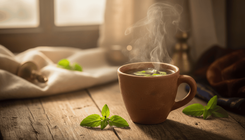
Tulsi kadha is a warm herbal decoction made by simmering tulsi leaves with water and other supporting ingredients. Known in English as a holy basil tea, it has been used in Ayurveda for centuries to support immunity, ease respiratory discomfort and soothe digestion. You can make it at home with ingredients most Ayurvedic kitchens already hold, and drink it warm as a preventive tonic or when you feel the first signs of seasonal imbalance.



What tulsi kadha is
Kadha means a long-simmered decoction in Ayurvedic practice. Unlike a tea, where you steep leaves in hot water for a few minutes, a kadha asks you to simmer plant material in water for 15 to 20 minutes or longer, so the water draws out deeper therapeutic properties. Tulsi—also known as holy basil—is the foundation. The plant carries warming, drying qualities that Ayurveda praises for balancing Kapha (the earth and water principle) and clearing the lungs. The best tulsi for kadha is fresh leaves picked in the morning, though dried leaves work too. Many families dry their own tulsi leaves during the growing season, storing them in cloth to use through the year.
The core ingredients
A basic tulsi kadha needs tulsi leaves, water and heat. From there, the recipe opens into many variations. Ginger is almost universal—it amplifies tulsi's warming action and aids digestion. Cinnamon appears in many households, bringing its own warming and slightly astringent character. Black pepper not only complements the other spices but also helps your body absorb their benefits, a principle Ayurveda calls bioavailability. Long pepper (also called pippali) is used in some regions where it grows more readily. Cloves appear less often but add a distinctive warmth and support respiratory ease. Tulsi kadha may also include jaggery to sweeten and warm, honey added after cooling (never boiled, as heat damages its properties), or a squeeze of lemon juice for its vitamin C and digestive stimulation. Some houses add a small piece of dried licorice root, which is cooling and supports the lungs. The spice ratios shift by region, season and family tradition; there is no single correct recipe, only what works for your constitution and the time of year.
How the ingredients work together
In Ayurvedic thinking, a kadha is stronger than its parts. Tulsi's antimicrobial and immune-supporting action combines with ginger's warming power to kindle digestive fire. Black pepper acts as a catalyst, sharpening the absorption of the other herbs. Cinnamon and cloves bring their own antimicrobial qualities while adding complexity to the taste. When you simmer these together, the water absorbs the volatile oils and active compounds, creating a synergy that single herbs alone cannot deliver. The warmth of the decoction itself matters: drinking it hot helps your body absorb it more completely and creates a gentle therapeutic action throughout the digestive tract.
When and how to drink it
Tulsi kadha works best taken in the early morning or early evening, on an empty stomach or with a light meal. A small cup—roughly the size of a tea cup—once or twice daily is standard. During seasons when colds are common or when you feel the first scratch in your throat, you might drink it daily for a week or two. In summer, when Pitta (the heat and fire principle) naturally rises in the body, you may use less ginger and add cooling elements like fennel or a touch of licorice. In winter, you might drink it more often. Pregnant women, people on blood-thinning medications and those with specific health conditions should check with an Ayurvedic practitioner or their doctor before making kadha part of their routine, especially if they plan to drink it regularly.
Making your own versus buying ready-made
Many Ayurvedic brands now sell dried tulsi kadha mixes or instant powders. These offer convenience, but a kadha simmered at home from whole ingredients has advantages. Fresh or freshly dried ingredients retain more of their volatile oils and enzymatic qualities than powdered mixes that have sat in storage. Simmering creates a ritual: the time spent, the steam rising, the warmth of the cup in your hands—these contribute to the practice's therapeutic effect in ways modern life often overlooks. If you grow tulsi in a pot or garden, harvesting your own leaves strengthens the connection between the plant and your practice. That said, a quality ready-made kadha is better than no kadha at all, and for many people it is a realistic choice.
Tulsi in Ayurvedic tradition
Tulsi holds a special place in Indian wellness practice beyond kadha alone. The plant is associated with devotion and protection in the Bhakti tradition, and many households keep a tulsi plant on the threshold or in the courtyard. In Ayurvedic texts, tulsi appears as a rejuvenative herb—one that supports vitality and resilience over time. It is classified as a rasayana, or tonic, meaning it nourishes the deeper tissues and supports healthy aging. This understanding stretches back centuries, embedded in both the classical Ayurvedic formularies and in the lived experience of families who have trusted tulsi through generations of seasonal change and minor illness.
Common questions
Can I use dried tulsi leaves instead of fresh?
Yes. Dried tulsi works well for kadha, and many households dry their own leaves during the growing season to use throughout the year. Use roughly one-third the volume of dried leaves compared to fresh leaves, as they concentrate when water is removed.
Should I drink tulsi kadha on an empty stomach?
Tulsi kadha is most easily absorbed on an empty stomach or with a light meal. Avoid taking it immediately after a heavy meal, as it works best when your digestive system is not already engaged in breaking down larger amounts of food.
Is tulsi kadha safe to drink every day?
For most people, tulsi kadha is safe as a daily tonic, especially during seasons when immunity support is helpful. However, pregnant women, those on blood thinners and people with specific health conditions should consult an Ayurvedic practitioner or doctor before making it a regular practice.

Related Articles


