
The Story of Narakasura and Krishna Behind Naraka Chaturdashi
The demon's defeat and the festival of deliverance

Sunil Chaurasia
04 Nov 2026 • 6min
The story of Narakasura and Krishna lies at the heart of Naraka Chaturdashi, the festival celebrated two days before Diwali. This day marks the victory of Lord Krishna over the demon Narakasura, a powerful asura who had terrorised the people of the earth. Understanding this story helps explain why the festival is observed and what it means to those who celebrate it. The battle between Krishna and Narakasura represents the eternal struggle between dharma, or righteousness, and adharma, or chaos and oppression.



Who Was Narakasura
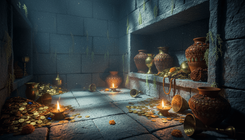
Narakasura was the son of the earth goddess Bhudevi and the demon Hiranyaksha. Born from a curse and nurtured by pride and power, he grew into a formidable demon with extraordinary strength and magical abilities. In some tellings he won boons from Lord Brahma that made him nearly invincible; in others his power came from prolonged meditation and austerities. He ruled a vast territory and amassed a fortune of immense riches, jewels and gold, which he hoarded in his underwater palace.
Over time, Narakasura became increasingly tyrannical. He began abducting princesses and women from the kingdoms of the earth, imprisoning them in his palace to expand his power and satisfy his desires. He also stole jewels and treasures belonging to the gods, adding them to his own collection. His arrogance grew without limit. He believed himself so powerful that no one in the three worlds could defeat him. He conducted himself without restraint, crushing anyone who opposed him and spreading terror wherever he went. His rule brought fear and suffering to common people and nobles alike.
Krishna's Challenge
The gods approached Krishna for help. They could not defeat Narakasura themselves, for his boons protected him from direct assault by many celestial beings. Krishna listened to their pleas and agreed to battle the demon. He understood that his role as an avatar was to restore balance and protect the people of the earth from such tyranny.
Krishna set out to Narakasura's kingdom. The journey itself was perilous. Narakasura had surrounded his underwater palace with magical defences, demons, and armies. Krishna fought his way through layer after layer of protection. He defeated the demon's guards and servants with great skill and power. When he finally reached the demon, a fierce battle ensued. The two combatants tested each other's strength and cunning. Narakasura fought with all his supernatural abilities, but Krishna, as the supreme being, could not be overcome.
In some versions of the story, Krishna's first wife Satyabhama played a crucial role in the battle. She fought alongside him, or in some tellings she struck the final blow. The details vary across different regional retellings and sacred texts, but the central truth remains: Krishna defeated Narakasura and brought his reign of terror to an end.
The Prisoners Freed and Treasures Reclaimed
When Narakasura fell, Krishna freed all the women and princesses imprisoned in his palace. According to tradition, there were sixteen thousand such captives. He restored them to their families and kingdoms, allowing them to return to lives of freedom and dignity. Some versions of the story describe how Krishna later married these women in a ceremony called the Eka Patni Vidhi, the ritual of one husband; the details and significance of this vary in different accounts.
Krishna also recovered the stolen jewels and treasures that Narakasura had hoarded. These were returned to the gods and the rightful kingdoms. The defeat of Narakasura meant the restoration of order to the earth. No longer would people live in fear of the demon's tyranny. The people could pursue their lives, conduct their businesses, and practice their faith without oppression.
Naraka Chaturdashi: The Day of Celebration
The day on which Krishna defeated Narakasura became known as Naraka Chaturdashi, also called Narak Nivaran Chaturdashi or the fourteenth day of the dark fortnight in the month of Kartik. The name itself refers to the liberation of people from naraka, or hell and suffering. The festival is celebrated as a public holiday in many parts of India. In some regions it falls on the same day as Diwali; in others it is observed separately, two days before the main Diwali celebrations.
On this day, many households rise early and apply oil to their bodies before bathing, a ritual believed to symbolise the cleansing of evil and negativity. Some families light earthen lamps and decorate their homes. Prayers are offered to Krishna, and sweets are prepared and shared with family and friends. The atmosphere is one of joy and thanksgiving for deliverance from oppression and evil. The victory of Krishna over Narakasura is celebrated as a victory of good over evil, and an assurance that dharma will always prevail over adharma when the time comes.
The Deeper Meaning
Beyond the historical or mythological narrative, the story carries spiritual significance. Narakasura represents the darker impulses within human nature: greed, lust, tyranny, and the misuse of power. Krishna's victory symbolises the triumph of the divine consciousness within each person over these destructive forces. When we celebrate Naraka Chaturdashi, we acknowledge that within ourselves, too, there is a struggle between righteousness and temptation, between service and selfishness.
The festival reminds us that help comes when we call upon the divine, and that evil cannot persist indefinitely. The story shows that those who abuse their power to harm others will ultimately face consequences. At the same time, it teaches compassion: the sixteen thousand captives were freed without punishment, and their lives were restored. This reflects the principle that the goal of destroying evil is not vengeance, but restoration of order and freedom for those who suffered.
Common questions
How many women did Krishna free from Narakasura's palace?
According to tradition, Krishna freed sixteen thousand women and princesses who had been imprisoned by Narakasura. These captives were restored to their families and kingdoms, and in some tellings Krishna later married them in a ritual called the Eka Patni Vidhi.
Is Naraka Chaturdashi the same day as Diwali?
Naraka Chaturdashi falls on the fourteenth day of the dark fortnight in Kartik, which is two days before Diwali in most regions. In some parts of India, however, the observances overlap or are celebrated together on the same calendar day.
What should I do on Naraka Chaturdashi?
Many people wake early and apply oil to their bodies before bathing, which symbolises the cleansing of evil. Families light earthen lamps, offer prayers to Krishna, and prepare sweets to share with loved ones as a celebration of good triumphing over evil.

Related Articles


