The Spiritual Significance of Tulsi Plant in Hinduism
Sacred guardian of home and heart

Sunil Chaurasia
12 Oct 2026 • 7min
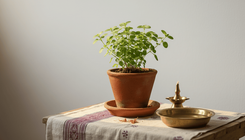
The tulsi plant holds a sacred place in Hindu spirituality that goes far beyond its physical form. Known in Sanskrit as vrinda, tulsi is believed to be a manifestation of the goddess Lakshmi herself and a devoted follower of Krishna. In many Hindu homes, you will find tulsi planted in a pot or planter, often in a designated space within the house or courtyard, where it is tended with reverence and incorporated into daily prayer and ritual. Understanding the spiritual significance of the tulsi plant opens a window into how devotion flows through everyday objects in Hindu practice.



Tulsi as an Embodiment of the Divine Feminine
Tulsi is not worshipped as a separate deity, but as a direct expression of divine presence. According to Hindu tradition, the plant embodies the qualities of Lakshmi, the goddess of prosperity, purity and protection. When you care for a tulsi plant, you are cultivating a relationship with these qualities in your own home. The plant is also associated with Radha, Krishna's beloved, and represents the ultimate devotion and surrender that define spiritual longing. In the Bhagavata Purana, tulsi is described as the most dear offering to Krishna-more precious than flowers, fruits or even water poured with gold vessels. This connection to Krishna explains why many devotees consider tulsi leaves to be a form of blessing that carries direct spiritual power.
The physical tending of tulsi becomes an act of worship. Watering the plant in the morning, removing dead leaves, and ensuring it receives sunlight are not merely horticultural tasks but expressions of devotion. When you perform these actions with awareness, they become a form of meditation and a way of strengthening your spiritual practice. The presence of a healthy tulsi plant in the home is believed to purify the air and the consciousness of those who live there.
Why Tulsi Is Grown in Hindu Homes
In Hindu households, the tulsi plant typically occupies a central or sacred space, often placed near the prayer room, on a porch, or in a courtyard where it receives morning light. This placement is intentional: tulsi needs sunlight and open air, and its location in a visible place ensures that family members encounter it daily and remember to offer it reverence. The practice of growing tulsi at home is sometimes called vrinda vana seva, the service or worship of the tulsi garden.
Different regions of India have varying traditions around tulsi. In many North Indian homes, tulsi is grown in an elevated pot stand called a tulsi-vrindavan, often made of clay, stone or wood, which raises the plant above ground level and sets it apart as a sacred object. Some families maintain a specific ritual schedule for tulsi worship, offering prayers at dawn and again in the evening. The plant is believed to be a protector of the home and all who dwell within it, and many families would not dream of letting it die or neglecting it.
Beyond the home, tulsi is integral to temple worship and ritual across India. Its leaves are offered during puja, prayers and religious festivals. Because of this widespread presence, growing tulsi at home extends the temple into domestic space and allows individuals to maintain their own personal practice of devotion without needing to travel to a place of worship.
The Spiritual Properties of Tulsi Leaves
Tulsi leaves hold particular significance in Hindu practice and are the part of the plant most often used in worship and rituals. When offered to a deity or used in prayer, tulsi leaves are believed to carry the devotee's intention directly to the divine. Many practitioners use tulsi leaves in sandhya vandana, the twilight prayers performed at dawn and dusk, and in japa, the repetition of mantras. The leaves are never casually plucked; they are gathered with reverence, often after a moment of mindfulness or a brief prayer.
In addition to their ritual use, tulsi leaves have been valued in Ayurvedic medicine for centuries as a herb that promotes calm and mental clarity. This dual significance—spiritual and medicinal—reflects how Hindu practice integrates physical wellbeing with spiritual growth. The same plant that purifies consciousness through worship also supports health through its natural properties. Some practitioners drink tulsi tea as part of their daily sadhana, their spiritual practice, combining physical wellness with spiritual intention.
The belief in tulsi's spiritual properties extends to protection. Many families keep tulsi leaves in their homes as a form of spiritual safeguard, and some traditions involve offering tulsi leaves during specific rituals designed to cleanse and protect a space. While the mechanisms of these practices rest in faith and tradition rather than measurable science, they remain central to how many Hindu households understand and experience their spiritual home life.
Growing and Honoring Tulsi
Growing tulsi successfully requires consistent care: it needs plenty of sunlight, regular watering and protection from extreme cold in many climates. However, the practice of growing tulsi is not merely horticultural—each action carries spiritual meaning. Watering tulsi with mindfulness, removing withered leaves with gentle attention, and ensuring the plant thrives are all understood as offerings to the divine.
Many practitioners believe that tulsi responds to the spiritual state of the home. A plant that thrives is seen as a sign of positive, protective energy, while a struggling plant may prompt reflection on whether the household's spiritual practice needs attention. This belief creates a reciprocal relationship: you care for tulsi, and tulsi cares for you through its presence and protection.
In homes where tulsi is grown, it is common to offer prayers at dawn and dusk, often combined with ritual circumambulation around the plant, a practice called pradakshina. Some families observe the Tulsi Vivah, a festival that honors the ceremonial marriage of tulsi to Krishna, though this observance varies by region and tradition. Throughout the year, regular offerings of water, flowers, prayers and even small meals are part of the relationship between the household and its tulsi plant.
If you are beginning to grow tulsi at home, start by finding a sunny spot where the plant can receive at least four to six hours of direct sunlight each day. Establish a simple daily routine of watering and prayer, keeping your practice consistent even when life is busy. Over time, the tulsi plant becomes an anchor for your spiritual practice and a living reminder of your commitment to growth and devotion.
Common questions
Can I grow tulsi indoors, or does it need to be outside?
Tulsi can be grown indoors if it receives sufficient sunlight—at least four to six hours of direct light daily. A south or west-facing window works well. Many households keep tulsi indoors near a prayer space, though outdoor growth is more traditional and the plant generally thrives better with natural air circulation.
Is it bad luck if my tulsi plant dies?
While many Hindu households regard a dying tulsi plant with concern, it is not considered an irreversible curse or permanent bad omen. If your plant struggles, it may reflect the household's spiritual state, so the response is to renew your care and practice. Replanting fresh tulsi is always an option and is seen as a fresh beginning rather than a failure.
Can I use tulsi leaves from my plant in cooking?
Yes, tulsi leaves can be used in tea, cooking and Ayurvedic remedies, and this use is encouraged in Hindu tradition. However, the practice is to gather leaves mindfully and with gratitude, and to use them with respect. Many households maintain a balance between ritual use and practical use, ensuring the plant remains healthy and productive.

Related Articles