
The Spiritual Meaning of Cleaning Your House Before Diwali
Preparing Space for Light and Abundance

Kushal K
18 Oct 2026 • 8min
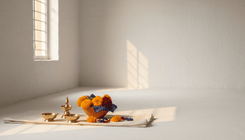
Diwali house cleaning is far more than tidying up before a festival. Across India, people sweep, scrub and whitewash their homes in the weeks before Diwali—the Festival of Lights—as a deliberate spiritual practice. The tradition carries deep meaning: you are physically preparing your home to welcome Lakshmi, the goddess of prosperity and abundance, while simultaneously clearing away the accumulated stagnation of the year. This act of cleaning transforms both your living space and your inner life.



Why Lakshmi Enters a Clean Home
In the Hindu understanding, Lakshmi does not enter a space that is neglected or filled with clutter and dirt. Tradition holds that dirt, disorder and neglect are the dwelling place of Alakshmi—also known as Jyeshtha—Lakshmi's elder sister and the goddess of misfortune and poverty. Where Alakshmi lives, Lakshmi will not stay. Cleaning the home before Diwali is therefore understood as driving out Alakshmi so that Lakshmi may enter. This is not a punishment or judgement, but a natural principle: abundance thrives where there is order and care. When you clean thoroughly—sweeping out dust, washing walls, polishing floors and surfaces—you create an environment that is ready to receive. Lakshmi arrives where she is welcomed and honoured through preparation. The cleanliness becomes an invitation.
Many families whitewash their homes with lime wash or paint before Diwali. This is both practical and symbolic. Diwali arrives soon after the monsoon, when homes are often left with dampness, mould and insects, and the season's deep cleaning and fresh lime wash help restore the home after the rains—lime wash also reflects light and helps keep insects away. Symbolically, the bright white surface represents a fresh start. Darkness, which accumulates as dust and grime, is literally brushed away. Light—literal and metaphorical—can fill the space. This is why families often say they are "making room" for Lakshmi: the cleaned home is a tangible gesture of readiness.
Clearing Physical and Energetic Stagnation
Every space holds the residue of time: dust, clutter, things no longer used or loved. These accumulations are not just aesthetic problems. Many people find that a cluttered, neglected home creates a sense of heaviness that affects how they feel and think. A cluttered, dirty home sits on you. When you clear it away, something shifts inside as well.
Diwali cleaning is often described as removing tamas—the quality of inertia, heaviness and darkness described in Hindu philosophy as one of the three gunas. The practice symbolically brings in sattva, the quality of clarity, purity and light. Families often give away old clothes, broken items and things they no longer need during this season. This act of releasing is as important as the act of cleaning: you are making space, not just filling it.
When you clean, you are alone with your home for hours. Many people find the work meditative: the repetition of sweeping, the warm water and soap, the gradual transformation of a dark corner into a bright one. The mind settles. This is when many people reflect on the year that has passed, what they wish to release, and what they are ready for. The cleaning becomes a threshold between what was and what is coming.
Regional Practices and Variations
The scale and style of Diwali cleaning varies widely across India. In Uttar Pradesh and Bihar, a distinctive custom marks the end of Diwali: before dawn on the morning after Diwali, the women of the household beat an old winnowing basket (soop) with a stick or broom as they move through every room, calling on daridra (poverty) to leave and Lakshmi to enter. The old soop is then thrown away outside the home. In Bengal, where the Diwali new moon is celebrated primarily as Kali Puja, many families perform the ritual of Alakshmi biday—symbolically sending Alakshmi out of the home—before welcoming Lakshmi. In Gujarat, cleaning is paired with decorating: homes are swept clean and then adorned with rangoli (coloured floor patterns) and marigolds. In South India, cleaning may be accompanied by ritual practices like making the home space sacred with water and turmeric paste before adding kolam, fresh flowers and oil lamps.
In many North Indian homes, the period leading up to Diwali is marked by a gradual intensification of cleaning: first the less used rooms, then the main living spaces, and finally the puja room where prayers are offered. Some families clean on specific days, particularly on Naraka Chaturdashi (Chhoti Diwali), the day before Lakshmi Puja (the main Diwali prayer to Lakshmi). Others clean over a longer period, spreading the work across weeks.
The broom holds a special place in these traditions. Because the broom sweeps away dirt and makes way for prosperity, it is treated with respect as a symbol of Lakshmi, and many families buy a new broom on Dhanteras. Common customs include never stepping over or kicking a broom, and avoiding sweeping or throwing dirt out of the house after sunset, especially on Diwali evening, so that Lakshmi is not swept away.
The rituals attached to cleaning also differ. Some families recite mantras while cleaning; others sprinkle water mixed with turmeric, or place salt, in the corners of the home to purify them. These practices reflect local sampradaya (tradition) and family custom. The underlying principle is consistent everywhere: cleaning is a form of preparation and devotion.
Cleaning as Inner Practice
Diwali cleaning is not separate from your spiritual practice—it is part of it. When you approach the work with intention rather than mere obligation, it becomes an offering of care to your home, your family and the goddess you are preparing to welcome. You are not cleaning for show or because it is convenient; you are preparing a space for light and goodness to enter.
This inner dimension is why many people find that Diwali cleaning feels different from other housework. There is a quality of purposefulness. Each action—sweeping a room, washing a window, polishing a lamp—carries meaning. You might think of it as moving stagnation out and inviting freshness in. This awareness changes how the work feels in your body and mind.
Some families make the cleaning a shared practice, bringing household members together in a common purpose before the festival itself begins. Children learn not just the skill of maintaining a home but the deeper lesson: that care and effort create the conditions for wellbeing. Elders might share stories of Lakshmi or speak about what abundance means to them, weaving meaning into the work.
The practice also teaches non-attachment. You release old items, you sweep away dust, you let go of what no longer serves you. This is not loss; it is making space. This is the wisdom underneath the tradition.
What Diwali Cleaning Asks of You
The spiritual significance of Diwali cleaning lies not in perfection but in the act itself. Your home does not need to be immaculate by some external standard; it needs to be cared for. A well-swept corner, a polished lamp, a cleaned window—these gestures matter more than achieving a showroom shine.
The tradition also asks you to be present. When you clean mindfully, you notice the space you live in. You see what you own and what you use. You touch your home with your own hands. This presence is what opens you to the festival and what makes the preparation meaningful. The cleaning is not something to rush through to reach the festival itself; the cleaning is part of the festival.
As you prepare your home for Diwali, you are also preparing yourself. The outer cleanliness and order support an inner clarity and readiness. This is why families across India have carried this practice forward for generations: it gives the festival a meaningful beginning. When your space is clean and cared for, and when you have participated in that care, light naturally feels more welcome.
Prepare Your Home for Diwali
Begin with the less-used rooms Start cleaning rooms you use less frequently—storage areas, spare rooms, or upper shelves. This allows you to gather momentum and release old items gradually before moving to the main living spaces.
Deep clean the main living areas Sweep and wash all floors, clean windows, dust surfaces and furniture, and wipe down walls. Pay particular attention to corners and areas where dust and post-monsoon dampness collect, as these are considered places where stagnation gathers.
Whitewash or refresh walls and surfaces If possible, apply fresh lime wash or paint to walls, or thoroughly clean them with water and mild soap. This creates a sense of renewal and allows light to reflect more brightly through your home.
Cleanse your puja room or altar space Clean and arrange the space where you pray or meditate with special care. Polish any lamps or vessels, arrange fresh flowers, and ensure the space feels welcoming and sacred.
Release items you no longer need Sort through cupboards, drawers and storage. Set aside clothes, kitchen items and objects in good condition to give away, and responsibly dispose of things that are broken or unusable.
Finish with your entrance and threshold Pay special attention to doorways and the entrance to your home, as these are considered the primary places where energy enters. Ensure they are clean, bright and welcoming.
Add final touches before Diwali In the final days, arrange flowers, place oil lamps in key areas, and ensure your home is fresh and ready. Many families also bring home a new broom on Dhanteras as a symbol of welcoming Lakshmi. Approach these final touches with presence and intention.
Common questions
Is Diwali house cleaning done on a specific date before the festival?
There is no fixed date; families usually begin cleaning weeks before Diwali and intensify it in the final days leading up to the festival. Many perform a final deep clean on Naraka Chaturdashi (Chhoti Diwali), the day before Lakshmi Puja. Since Diwali follows the lunar calendar and falls on different dates each year, the cleaning period shifts accordingly. Many families also avoid sweeping after sunset on Diwali evening itself.
What should I do with old items I find while cleaning for Diwali?
Diwali cleaning is a time to release what no longer serves you. Give away clothes, kitchen items and objects in good condition to family, friends or those in need. Broken or unusable things can be disposed of responsibly. This practice of letting go is as important as cleaning itself, creating space for new abundance.
Do I need to perform any rituals while cleaning my home for Diwali?
Rituals vary by region and family tradition. Some people recite mantras, others sprinkle turmeric-water or place salt in the corners of the home to purify them. In Uttar Pradesh and Bihar, many families observe the custom of beating an old winnowing basket on the morning after Diwali to drive out poverty and welcome Lakshmi. Many families keep the practice simple, focusing on mindful, intentional cleaning without formal ritual. The inner awareness and care you bring to the work matter more than following a prescribed form.

Related Articles


