The Spinal Stretch Series
Mastering Seated Parvatasana (Mountain Pose)
Shanti Arunkumar
10 Mar 2025 • 6min
Introduction
In the fast-paced world of today, it is crucial that the spine be maintained in good health. Yoga, as an ancient science, offers great methods of maintaining the spine strong as well as flexible. Seated Parvatasana (Mountain Pose) is just one such asana that enhances spinal posture, flexibility, and strength of the core. This article explains the techniques, benefits, contraindications, and tips on how to perform this yoga pose effectively.
How to Perform Seated Parvatasana
Starting Position
● Sit easily in Sukhasana (Easy Pose), Padmasana (Lotus Pose), or Vajrasana (Thunderbolt Pose).
● Maintain a straight spine and relaxed shoulders.
Hand Position (Namaskar Mudra)
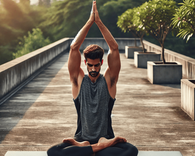
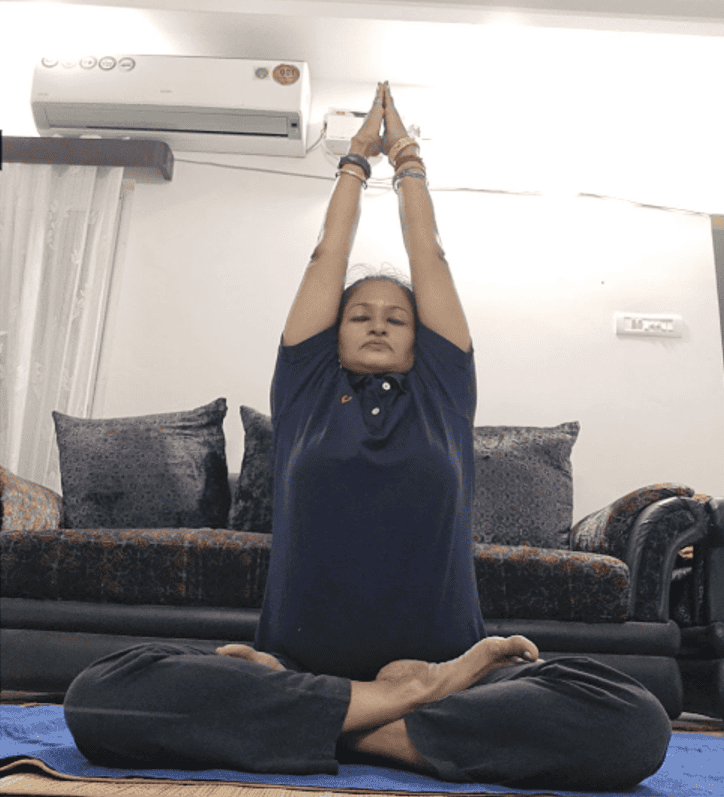
● Fold the palms together in Anjali Mudra (Namaste position) at the chest.
● Breathe in deeply and, exhaling, lift your hands up over your head with the palms still pressed together.
● Extend your arms fully, but let the shoulders relax.
Spinal Elongation & Alignment
● Engage your core and extend your spine as if reaching up towards the sky.
● Keep your head in a neutral or slightly lifted position to look up.
● Make sure your lower back is straight without arching.
Holding the Pose (Breath & Awareness)
● Hold the position for 5–10 slow, deep breaths.
● With each inhale, sense your spine extending.
● With each exhale, release your shoulders and press deeper into your seat.
Releasing the Pose
● Slowly lower your hands down to your chest in Namaskar Mudra.
● Let go of the strain on your arms and breathe slowly a few times before releasing from the pose.
● Tip: Do not hold your breath during practice of this asana; allow a normal pattern of breathing.
Key Benefits (Focus on Spinal Stretch)
● Improves spinal posture and flexibility.
● Releases tension in the shoulders and neck.
● Enhances lung capacity through deep breathing.
● Strengthens back muscles and core.
● Calms the mind and improves focus.
● Provides traction to the upper body, aiding in:
○ Height growth in children.
○ Firming breast muscles in adolescent girls and elderly women.
○ Activating neurons in the spine to prevent spinal atrophy.
● Prevents osteoporosis and degenerative spinal disorders through regular stretching and posture correction.
Tips for a More Effective Practice
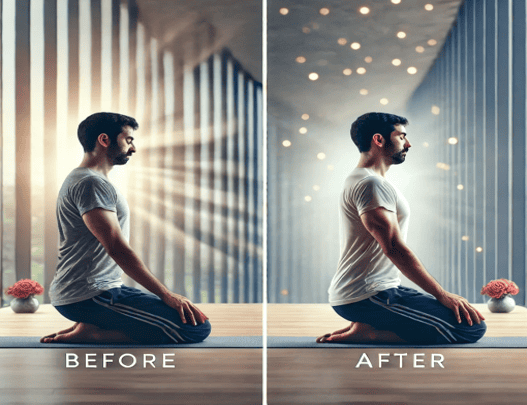
● Keep your spine upright – Avoid slouching.
● Engage the core – Supports spinal elongation.
● Relax the shoulders – Prevents unnecessary tension.
● Synchronize breath with movement – Enhances the stretch and mindfulness.
● Practice daily – Consistency leads to better spinal health and flexibility.
Contraindications (Who Should Avoid This Asana?)
While Seated Parvatasana is beneficial, certain individuals should avoid or modify the practice:
Completely Avoid if You Have:
● Severe Spinal Issues – Slipped disc, herniated disc, or spinal injuries.
● Recent Surgery or Injuries – Especially after abdominal, spinal, or shoulder surgeries.
● Shoulder or Arm Pain – Frozen shoulder, rotator cuff injuries, or severe arthritis.
Practice with Caution or Modify if You Have:
● High Blood Pressure & Heart Conditions – Prolonged arm elevation may strain the heart.
● Migraine or Vertigo – Holding arms raised too long may worsen symptoms.
● Knee or Hip Issues – Modify if sitting cross-legged is uncomfortable.
● Pregnancy (Advanced Stages) – Practice with modifications or under guidance.
Precautions & Modifications
● For back issues – Sit on a cushion for support.
● For shoulder pain – Keep hands in Namaskar Mudra at the chest.
● For knee discomfort – Sit on a chair instead of the floor.
● For dizziness or BP issues – Avoid holding the pose too long and breathe slowly.
● For beginners – Start with shorter durations and gradually increase the holding time.
Do’s and Don’ts
Do’s:
● Maintain steady breathing throughout the practice.
● If palms do not join, keep practicing—it will improve over time.
● Move slowly and steadily; avoid jerky movements.
● Perform a gentle warm-up before practicing to avoid stiffness.
Don’ts:
● Do not force the posture beyond comfort.
● Avoid holding your breath while performing the asana.
● Do not hunch shoulders; keep them relaxed.
● Avoid practicing on a full stomach to prevent discomfort.
Conclusion
Incorporating Seated Parvatasana into your daily Yogabhyas routine can significantly enhance your spinal health, posture, and stress levels. This simple yet effective yoga pose promotes better spinal alignment and flexibility, contributing to your overall well-being.
For a more comprehensive spiritual journey, consider using the Dharmayana app, your daily Hindu companion. Dharmayana offers features such as personalized prayers, detailed guides on Hindu festivals and rituals, and accurate Panchang information, all accessible in major Indic. By integrating Dharmayana into your daily practice, you can deepen your connection to your spiritual path and enrich your Yogabhyas experience.
Download the Dharmayana app today and embark on a holistic journey towards better health and spiritual fulfilment.

Related Articles