The Spinal Stretch Series
Perfecting Tadasana & Uttana Tadasana
Shanti Arunkumar
11 Mar 2025 • 6min
Introduction
Tadasana, or Mountain Pose, is the base of all standing yoga postures. Like a mountain stands firm and upright, this asana instructs us in balance, stability, and alignment. Frequently used as the beginning point for most standing yoga poses, Tadasana improves posture, strengthens the legs, and enhances concentration.
For individuals wanting to extend the spinal stretch routine further, Uttana Tadasana (Supine Mountain Pose) offers a revitalizing full-body stretch on the floor. The combination of these two poses has the ability to improve body awareness, circulatory health, and relaxation.
1. Tadasana with Heel Raises
Sanskrit Name: Tāḍāsana with Pāda Utthāna (ताड़ासन पाद उत्तान)
Pose Type: Standing, Balance
Steps to Execute Tadasana with Heel Raises:
Starting Position:
● Stand erect with feet together or hips wide apart.
● Spread your weight evenly on both feet.
● Relax your arms at your sides, palms facing inward or forward.
Engage Your Posture:
● Lengthen your spine by lifting through the crown of your head.
● Engage your core muscles and relax your shoulders.
● Firm your thighs without locking the knees.
Heel Raise Movement:
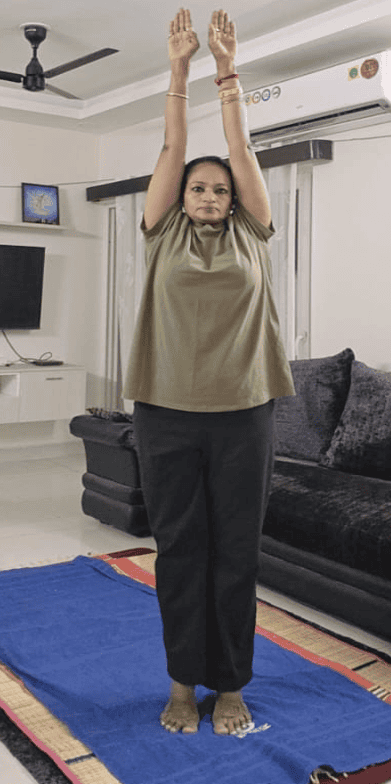
● Breathe in and lift your heels off the ground, coming onto the balls of your feet.
● Keep balance by activating your core and maintaining an even gaze.
● Have your arms outstretched or lift them overhead for a greater challenge.
Hold and Gaze:
● Hold the lifted position for several breaths, staying stable.
● Maintain your body upright and refrain from leaning forward or backward.
Lowering Down:
● Exhale and slowly lower your heels back to the ground with control.
● Repeat 5–10 times, coordinating movement with breath.
Benefits:
● Enhances posture and body awareness
● Improves balance and coordination
● Activates the core muscles for stability
● Engages the core muscles for stability
● Assists in improving lower body circulation
Modifications & Tips:
● If you find it difficult to balance, practice in front of a wall or with a chair for support.
● For added challenges, lift the heels with your eyes closed.
● Don't attempt this pose with ankle injuries or poor balance.
Contraindications (Who Should Avoid This Pose):
● Severe Balance Issues – Those prone to dizziness or vertigo should avoid this pose or practice near a support.
● Recent or Chronic Ankle, Knee, or Foot Injuries – Raising the heels puts pressure on these areas.
● Low Blood Pressure or Dizziness – Rapid movement or prolonged holding may cause light-headedness.
● Neurological Disorders Affecting Coordination – Individuals with Parkinson’s or severe neuropathy should practice with caution.
● Pregnancy (Later Stages) – Balance may be compromised due to changes in the center of gravity.
● Plantar Fasciitis or Achilles Tendon Issues – This pose may strain the foot and tendon, leading to discomfort.
2. Uttana Tadasana (Supine Mountain Pose)
Sanskrit Name: Uttāna Tāḍāsana (उत्तान ताड़ासन)
Pose Type: Supine, Stretching
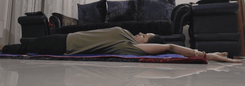
Uttana Tadasana, or Supine Mountain Pose, mimics Tadasana but in a lying-down position. This gentle yet effective stretch enhances flexibility, posture, and relaxation.
Steps to Execute Uttana Tadasana:
Starting Position:
● Lie down flat on your back in Savasana (Corpse Pose) on a yoga mat.
● Keep your legs together and arms resting beside your body. {You can use the top most image for reference.}
Engage the Body:
● Inhale deeply and stretch your arms overhead, keeping them straight and aligned with your ears.
● Extend your legs by pointing your toes forward, lengthening the entire body.
Full-Body Stretch:
● Actively stretch your hands and feet in opposite directions.
● Engage your core while keeping the spine elongated and neutral.
● Hold the stretch for 5 to 10 breaths, feeling the extension in your whole body.
Releasing the Pose:
● Exhale and relax your arms back down beside your body.
● Let your body soften and return to a neutral position.
● Repeat 2-3 times for a deeper stretch.
Benefits:
● Enhances flexibility and posture by extending the spine
● Eases stiffness in the back, shoulders, and legs
● Improves blood circulation and oxygen supply
● Reduces stress and fatigue, relaxes
● Induces deep breathing, assists with mental clarity
Modifications & Tips:
● If shoulders are tight, maintain a slight elbow bend.
● You can support your lower back with a cushion if necessary.
● Do this stretch in the morning to wake up the body.
● For a more intense stretch, intertwine hands and when you extend your arms, face palms outward.
Contraindications (Who Should Avoid This Pose):
● Severe Shoulder or Back Injuries – Do not over-stretch if experiencing pain in these regions.
● Recent Abdominal Surgery – The stretch could be a strain on the abdomen.
● Pregnancy (Advanced Stages) – Lying on the back for any length of time can prove to be uncomfortable.
● Vertigo or Dizziness – Sudden stretching could bring on symptoms.
Conclusion
Incorporating asanas like Tadasana with Heel Raises and Uttana Tadasana into your yoga routine can significantly improve spinal flexibility, posture, and balance. These foundational poses enhance body awareness, boost circulation, and promote relaxation. Whether you're a novice or an experienced practitioner, integrating these stretches into your daily regimen fosters overall well-being, vitality, and mindfulness.
To further enrich your spiritual journey and daily practices, consider the Dharmayana app, a comprehensive digital companion designed for Hindus. Dharmayana offers features such as personalized daily prayers (Prarthana) tailored to your Kula-Devata, detailed guides on Hindu festivals and rituals, and accurate Panchang information to help you align your activities with auspicious timings. By seamlessly blending traditional wisdom with modern convenience, Dharmayana supports a holistic approach to health and spirituality. Embrace this opportunity to deepen your practice and connection to Hindu traditions by downloading the Dharmayana app today.

Related Articles