
The Sixteen Samskaras: Life's Sacred Transitions in Hindu Dharma
Rites that mark your passage through life's sacred chapters

Aditya Pandey
13 Nov 2026 • 7min
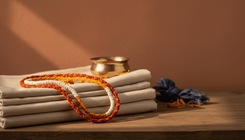
The sixteen samskaras are the rituals that mark the major transitions of a human life in Hindu dharma, from conception to death. Samskara means "consecration" or "preparation", and these rites are believed to refine the individual, remove impurities and prepare you for each new phase. Not all sixteen are universally observed today, nor is every region or family tradition identical in which ones they perform. But together they form a complete map of how Sanatan Dharma views the human journey.



What Are the Sixteen Samskaras?
The sixteen samskaras are named and discussed in different Smritis, or remembered scriptures, with some variation. The most commonly cited grouping includes rites for conception (Garbhadhana), the quickening of the fetus (Pumsavana), the parting of the hair during pregnancy (Simantonnayana), birth (Jatakarma), the naming ceremony (Namakarana), the first feeding of solid food (Annaprashana), the tonsuring of the head (Mundana), and initiation into Vedic study (Upanayana).
The later samskaras mark becoming a householder (Vivaha), retirement from worldly life (Vanaprastha), and the final transition at death (Antyeshti). Between these are rites of passage that vary more by tradition: some texts include a marriage rite for a girl before the boy's Upanayana, some include a rite of learning completion, some mark the assumption of formal vows. The number and order have shifted across centuries and regions, yet the underlying purpose stays consistent: to consecrate each phase and align the individual with their dharma, or duty, in that time of life.
The Early Life Samskaras
The samskaras begin even before birth. Garbhadhana, the rite of conception, is performed to invoke blessings for a healthy child. Pumsavana, usually performed in the third or fourth month of pregnancy, is traditionally believed to favour the conception or birth of a son, though modern families may perform it with a simple intention for a healthy child. Simantonnayana follows in the later months of pregnancy and involves parting and anointing the hair, seen as calming the mother and the fetus.
Jatakarma is performed on the day of birth, often involving the touching of the newborn's tongue with honey or ghee and whispering mantras in the child's ear. Namakarana, the naming ceremony, typically occurs between ten days and a few months after birth, and the name chosen often reflects family ancestry, spiritual values or a favoured deity. Annaprashana marks the first feeding of solid food, usually rice or other grain, and represents the child's introduction to the nourishment and sustenance of the world. Mundana, the first tonsuring, is performed at various ages depending on family practice, sometimes at around one year and sometimes later, and is thought to purify and invigorate the child.
The Vedic Initiation and Student Life
Upanayana, the sacred thread ceremony or thread-tying, is one of the most widely recognized samskara in modern practice. Traditionally it marked the formal beginning of Vedic learning for a boy, usually in childhood, and involved the ritual tying of a sacred thread and the conferring of a Vedic mantra. The age at which Upanayana was performed varied: texts suggest between eight and sixteen, often around twelve. In contemporary practice, families sometimes perform Upanayana for daughters as well, though this is not the oldest tradition in most sampradayas, or lineages.
The Upanayana represented not just schooling, but a second birth into the world of knowledge and dharmic living. After this rite, the student was expected to live with a teacher, maintain ritual purity, study the Vedas, and prepare for adult responsibilities. The period of brahmacharya, or studentship, was one of the four recognized stages of life, and the samskara marked its official beginning.
Marriage, Householder Life and Later Stages
Vivaha, the marriage rite, moved the individual into the householder stage. In many traditions, weddings involved elaborate rituals: the couple would circle the fire, exchange vows, receive blessings from elders and priests, and be formally accepted into their new kinship. Though the specifics varied greatly by region, caste and family custom, marriage was marked as a profound transition and a sacred duty.
Following marriage came the householder stage itself, in which raising a family, earning livelihood and performing rituals for the community were the primary dharmas. Some texts include a samskara for the moment of retirement from this stage, Vanaprastha, when one withdrew from worldly concerns to focus on spiritual practice. The exact timing and formality of this transition also varied widely.
Death and the Final Rite
Antyeshti, the final samskara, is the funeral rite. Though less commonly called a samskara today, it marks the last transition: the return of the body to the elements and the continuation of the atman, or soul, into its next journey. The ritual involves washing the body, wrapping it in cloth, and cremation, usually with close family members gathered to offer prayers and mantras. The ash is often scattered in a river or other sacred water.
The observances following cremation extend the samskara's effect: children are formally released from mourning after a period that varies by family custom, and rituals on the twelfth or thirteenth day mark the completion of the deceased's transition. The final samskara is understood as completing the cycle that began at Garbhadhana.
Samskaras and Modern Practice
Today, many families observe some of the sixteen samskaras and omit others, shaped by geography, time, the availability of ritual specialists, changing beliefs about their necessity and simple personal choice. Urban families may mark birth, naming and marriage elaborately while letting other samskaras pass quietly. Some traditions emphasize different rites: a family devoted to bhakti, or devotional practice, may focus more on rituals of initiation into mantra or deity worship than on older life-stage rites.
Even when the formal rituals are not performed, the underlying intention often remains: to mark important passages, to gather family, to invoke blessings and to affirm continuity with ancestors and tradition. Many families create their own forms of observance that honour the spirit of a samskara without following the classical form exactly. What matters is the intention to consecrate and honour each phase of human life.
Understanding the sixteen samskaras offers a window into how Hindu dharma sees the human lifecycle: not as isolated years, but as a series of sacred passages, each requiring its own preparation, ritual and blessing. Whether you perform all of them, some of them, or create your own observances, the framework reminds you that every transition—from birth to marriage to death—can be approached with intention and reverence.
Common questions
Are all sixteen samskaras still performed today?
No. Many families observe some samskaras—particularly birth, naming, marriage and death rituals—while omitting others. Which samskaras are performed depends on region, family sampradaya, access to ritual specialists and personal choice. Some families create their own forms of observance that honour the spirit of a samskara without following the classical structure.
What is the main purpose of performing a samskara?
A samskara is meant to consecrate and refine the individual, removing impurities and preparing them for the new phase of life ahead. Each rite aligns the person with their dharma, or duty, at that time of life, and traditionally gathers family and community to bless the transition.
At what age is Upanayana typically performed?
Upanayana was traditionally performed between ages eight and sixteen, with twelve being a common age in many texts and families. In ancient times it marked the formal start of Vedic learning with a teacher, though the practice and timing vary widely today depending on tradition and personal choice.

Related Articles


