
The Sattvic Diet: Foods in the Yogic Tradition
Eat for clarity, calm and spiritual growth

Kushal K
09 Nov 2026 • 7min
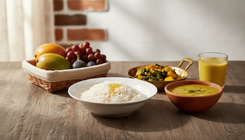
In yogic and Ayurvedic traditions, food is not simply fuel. It shapes your energy, your mind and your capacity for spiritual practice. The sattvic diet is a way of eating that emphasizes pure, light and harmonious foods—nourishment that calms the mind and supports clarity. If you are drawn to yoga, meditation or a more conscious way of living, understanding sattvic eating can deepen your practice and help you feel more grounded.
The sattvic diet comes from the three gunas, or qualities, described in yogic philosophy: sattva (purity, harmony, light), rajas (activity, passion, restlessness) and tamas (heaviness, inertia, darkness). Every food carries one or more of these qualities. Sattvic foods are those that increase sattva: they are easy to digest, nurturing and free of excess stimulation. They leave you feeling calm, clear and energized—not sluggish or agitated. This is different from eating for weight loss or muscle gain; sattvic eating is about supporting a steady mind and a healthy body in service of your inner work.
Sattvic foods are often described as fresh, simple and close to nature. In practice, this means whole grains, fresh vegetables, fruits, legumes, nuts, seeds, milk products, and natural sweeteners. The list looks different from culture to culture because sattvic eating adapts to what grows locally and what is available. There is no single rigid menu; the principle is that food should be nourishing, light and prepared with care.



What makes food sattvic
A sattvic food is one that leaves your mind and body in harmony. Fresh fruit ripened by the sun—a ripe mango, an apple, seasonal berries—is sattvic. So too are freshly cooked grains like rice or millet, lentils that have been well-digested, and milk products made from healthy cows. Vegetables like leafy greens, cucumber, squash and root vegetables in their season are sattvic. Honey, ghee and sesame oil are sattvic fats.
The key is freshness and purity. Food that is stale, overprocessed or kept too long begins to lose its sattvic quality. Leftovers, canned foods and highly refined products are considered to have moved toward tamas—they lack vitality. Cooking method also matters: gentle steaming or boiling preserves sattvic quality better than heavy frying or burning.
Sattvic foods are usually mild in flavor. You will notice that sattvic eating does not emphasize hot spices, garlic, onion, or salt, which are considered stimulating (rajasic). This does not mean bland food; instead, the natural flavors of fresh ingredients are allowed to shine. A simple dal with rice, a mild vegetable stew, or fresh fruit are sattvic meals.
Foods to minimize or avoid
Rajasic foods are stimulating and can scatter the mind. These include red meat, fish, eggs, coffee, tea, heavily spiced food, garlic, onion, salt in excess, and foods with strong or artificial flavors. They are not "bad" foods, but they pull your energy outward and can make your mind restless—not ideal when you are trying to steady your practice.
Tamasic foods are heavy, stale or chemically altered. These include all processed and frozen foods, alcohol, tobacco, and anything that has lost its natural vitality through age or manufacturing. Tamasic eating leads to sluggishness, confusion and spiritual heaviness.
In the context of the sattvic diet, foods are avoided not because they are immoral, but because they do not support the mental clarity needed for yoga and meditation. If your goal is to calm your mind, then foods that agitate or dull it work against your intention.
Sattvic eating in daily practice
For someone who practices yoga or meditation, the sattvic diet is traditionally recommended, especially on days when you practice or fast. Many yoga practitioners eat sattvic meals before morning practice to keep their digestion clear and their minds light. You do not need to be strict: some people eat sattvic during the week and relax the rules on weekends. Others adopt sattvic principles gradually, replacing one meal at a time.
A typical sattvic meal is simple: cooked rice or millet, a mild vegetable like squash or leafy greens, a small serving of lentils or mung beans, and perhaps a dollop of ghee. Fresh fruit eaten alone, as a snack or dessert, is sattvic. Warm milk with a little honey and turmeric is a nourishing drink. Meals are usually eaten warm and fresh, not hot or spicy, and are finished before the evening to allow good digestion during sleep.
Sattvic eating also values when you eat. Eating slowly, with gratitude, and in a calm space supports the sattvic quality of the food. Rushed eating, even of sattvic ingredients, becomes tamasic in its effect.
Sattvic eating and Ayurveda
The sattvic diet overlaps with Ayurvedic nutrition but is not the same thing. Ayurveda tailors food to your constitution—your dosha (Vata, Pitta or Kapha)—and to the season. A Vata person might need more warming, grounding foods; a Pitta person might need cooling foods. Sattvic eating, by contrast, focuses on spiritual quality rather than constitutional balance.
That said, the foods considered sattvic are generally easy for most people to digest and do not aggravate the doshas when eaten in season and in reasonable amounts. If you are new to both sattvic eating and Ayurveda, starting with sattvic principles is a gentle entry point. As your awareness grows, you can refine further based on your constitution and the season.
Adapting sattvic eating to your life
You do not need to become a strict sattvic eater overnight to benefit from the principles. Start by adding more fresh vegetables and fruits, cooking at home instead of eating out, and noticing how different foods leave you feeling. Many people find that when they eat sattvic meals before their yoga practice, their meditation deepens and their body feels lighter.
If you eat meat, fish or stimulating foods, you might experiment with sattvic meals on days you meditate, or eat sattvic in the morning to begin the day with clarity. Some people keep sattvic foods on hand for when they fast or observe vrats. The practice adapts to your life, not the other way around.
The heart of sattvic eating is attention: paying close care to what you put in your body and noticing its effect on your energy and your mind. Over time, this awareness itself becomes a form of practice, grounding you in the present moment and in gratitude for the nourishment the earth provides.
Common questions
Can I eat sattvic food if I am not a yoga practitioner?
Yes. The sattvic diet is recommended for anyone seeking clarity of mind and balanced energy, not only for yoga practitioners. Many people adopt sattvic principles for better digestion, steadier mood, or spiritual wellbeing regardless of whether they practice asana or meditation.
Is the sattvic diet the same as vegetarian?
The sattvic diet is vegetarian, but not all vegetarian eating is sattvic. A vegetarian diet that includes heavily fried foods, strong spices, onion and garlic, or processed items is not sattvic. Sattvic eating emphasizes purity and lightness, not just the absence of meat.
What if I cannot find all sattvic foods where I live?
Sattvic eating adapts to what is available locally and in season. Use the sattvic principles—fresh, simple, mild, easy to digest—and work with the vegetables, grains and fruits that grow near you. A seasonal local vegetable cooked simply is sattvic, even if it is not on every list you read.

Related Articles


