The Sacred Science of Yagnas
Purifying the Air Through Ancient Fire Rituals

S Raj Abhinay
25 Mar 2025 • 7min

Introduction
Yagnas (also spelled Yajnas) are an integral part of Hindu spirituality and mythology. These Vedic fire rituals have been practiced for thousands of years and are revered for their spiritual, environmental, and scientific significance. Often misunderstood as mere religious ceremonies, Yagnas are ancient rituals that encompass a deep connection with nature and the cosmos. Recent scientific research has started to validate the benefits of these rituals, showing that they contribute to air purification, pathogen reduction, and holistic health. This article will explore the mythological importance, scientific benefits, and the fascinating role of Yagnas in purifying the air while reducing airborne pathogens.
What is Yajna in Hinduism?
In Hinduism, Yajna (or Yagna) is a sacred fire ritual where offerings such as herbs, ghee, and wood are placed into a fire while Vedic mantras are chanted. These rituals are considered a medium for connecting with the divine forces of nature and the gods. They are believed to maintain cosmic order (Rta) and are performed to seek divine blessings for health, prosperity, and the well-being of society. Yajnas hold a deep cultural and spiritual significance, highlighted in the Vedas, particularly the Rigveda, Yajurveda, and Atharvaveda.
Mythological Significance of Yagnas
Connection to the Divine
In the ancient Hindu scriptures, Yagnas are considered a bridge between humans and the divine. The sacred fire, Agni, is believed to act as the intermediary between the material world and the divine realms. Yagnas symbolize gratitude and devotion to the gods and the forces of nature. As prescribed in the Vedic texts, the offerings made in the fire represent the selfless act of giving, ensuring the maintenance of cosmic balance and harmony.
Types of Yagnas in the Vedas
There are various types of Yajna in Vedas that are performed for specific purposes:
Ashvamedha Yajna: This ritual was historically performed by kings to establish their authority and ensure prosperity for their kingdom.
Rajasuya Yajna: A royal yajna performed to consecrate a king and affirm his righteous rule.
Putreshti Yajna: A Yajna performed to beget progeny, as illustrated in the Ramayana through King Dasharatha’s Yajna to bring forth Lord Rama.
Historical Significance of Yagnas
Yagnas have been integral to Hindu culture and history. For example, King Dasharatha’s Putreshti Yajna in the Ramayana and Ravana’s Yagna for immense power, as seen in the ancient texts, underscore the cultural and spiritual importance of these rituals in ancient India.

What is the Science Behind Yagna?
Air Purification Through Medicinal Fumes
Modern science has begun to uncover the environmental benefits of Yagnas, particularly in their ability to purify the air. The smoke produced during these fire rituals contains therapeutic aerosols that help reduce airborne pathogens, such as bacteria, viruses, and fungi. The compounds released from burning materials like Neem, Tulsi (Basil), and Sandalwood have well-documented antimicrobial properties. These natural substances contribute to a cleaner and healthier environment, which is why Yagnas have been historically performed in open spaces and temples.
Therapeutic Compounds Released During Yagnas
Yagnas often use materials such as ghee (clarified butter), turmeric, neem, and various medicinal herbs. When burned, these materials release powerful therapeutic compounds like butyric acid (from ghee), which have antibacterial properties. These therapeutic aerosols are believed to reduce harmful microbes in the air, benefiting both the environment and the individuals participating in the ritual.
Ionization of the Atmosphere
The high-temperature combustion during Yagnas generates negative ions that purify the atmosphere. These ions are capable of neutralizing free radicals and pollutants, enhancing the overall air quality. It is similar to the benefits we experience near waterfalls or in natural environments where negative ions abound. Moreover, negative ions can help clear particulate matter, improving respiratory health and overall well-being.

Psychological and Neurological Benefits
The chanting of Vedic mantras during Yagnas induces alpha brainwaves, which are associated with deep relaxation and reduced stress. The rhythmic sounds of the fire and chanting help synchronize the brain hemispheres, promoting mental clarity and emotional stability. As a result, participants often experience a sense of calm and spiritual rejuvenation during these rituals.
Types of Yagna and Their Benefits
Yagnas are performed for different purposes, each with its specific benefits. Some prominent types of Yagnas include:
1. Agnihotra Yajna
Purpose: Daily purification and spiritual health.
Scientific Benefit: Known to reduce air pollution and improve immunity.
2. Ashwamedha Yajna
Purpose: Kingship and prosperity.
Scientific Benefit: Enhances leadership qualities and promotes mental clarity.
3. Ganapati Homam
Purpose: Removing obstacles.
Scientific Benefit: Reduces anxiety and stress due to the herbal fumes.
4. Rudra Yajna
Purpose: Healing diseases and restoring balance.
Scientific Benefit: Antibacterial and antiviral properties due to the herbs like neem and tulsi.
5. Vaastu Homam
Purpose: Harmonizing spaces and eliminating negative energies.
Scientific Benefit: Neutralizes electromagnetic radiation and improves the energetic balance of a space.
The Lost Science and Revival of Yagnas
The medicinal and environmental benefits of Yagnas were well-documented by ancient sages like Bharadwaja, Charaka, and Sushruta in texts such as the Charaka Samhita. However, much of this knowledge was forgotten over time. Recently, modern researchers have begun revisiting these practices, revealing their immense value.
For example, studies have shown that Yagna fumes increase oxygen levels in the air, enhance immunity, and reduce bacterial loads. Dr. T.R. Rajalakshmi from Sanskrit University, Tirupati, proved that these fumes help increase oxygen concentration in the environment, promoting overall well-being.
Why Did Kings Perform Yagnas?
Historically, kings and rulers performed Yagnas like the Ashvamedha Yajna and Rajasuya Yajna for several reasons. Primarily, these rituals were believed to ensure the prosperity of their kingdoms and protect their reigns from adversities. The Ashvamedha Yajna, in particular, was considered a powerful ritual to establish dominance, while the Rajasuya Yajna was an act of consecration, ensuring the king’s reign was just and prosperous.

Conclusion: The Timeless Wisdom of Yagnas
Yagnas, ancient Vedic fire rituals, serve as a bridge connecting us to our spiritual heritage.They purify the environment, reduce pathogens, and foster holistic well-being.Incorporating such practices can harmonize our modern lives with traditional wisdom.
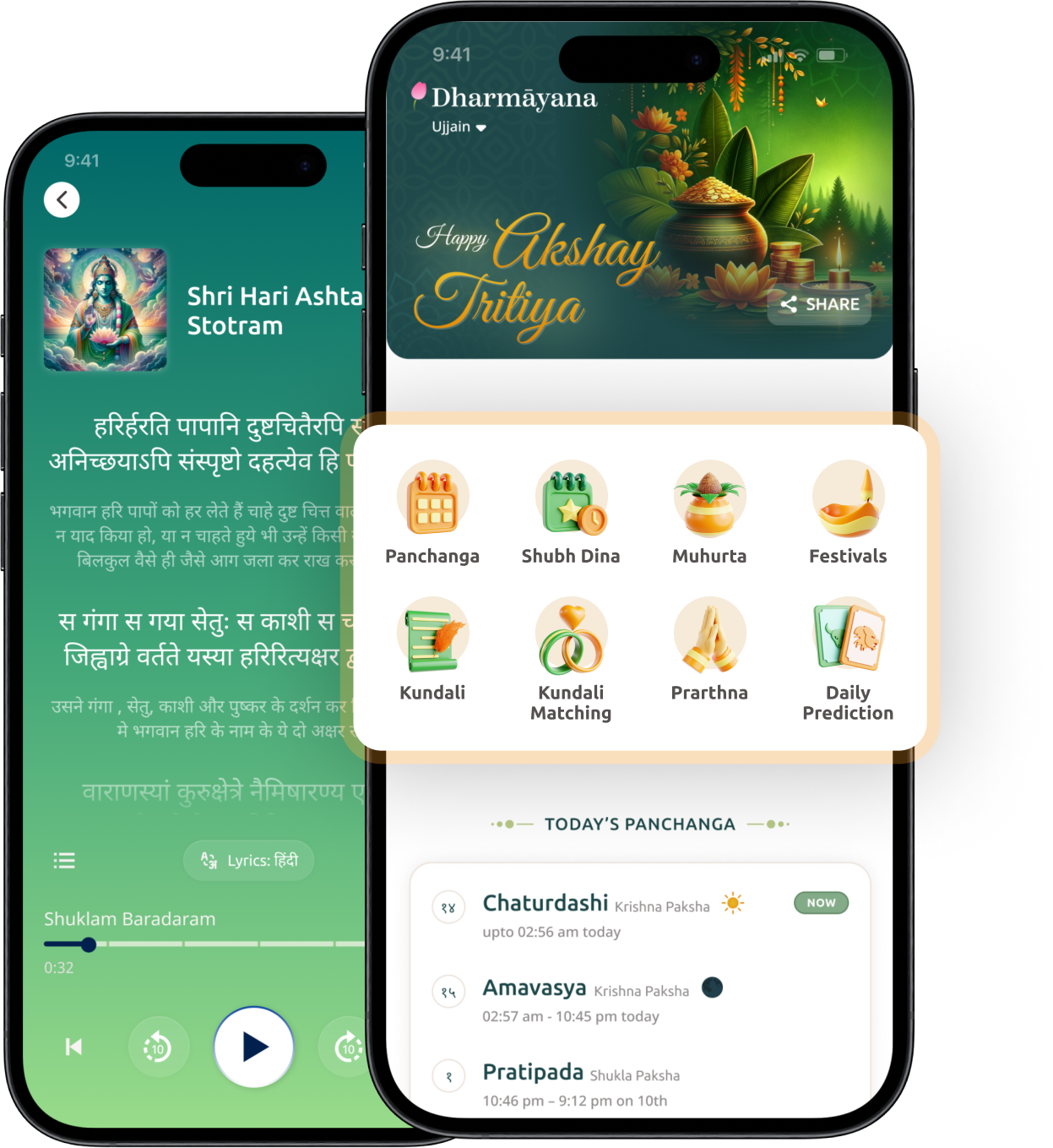
To seamlessly integrate these spiritual practices into your daily routine, explore the Dharmayana app. Offering features like accurate Panchang, personalized prayers, and detailed guides on Hindu festivals and rituals, Dharmayana is your companion on the path to Dharma.Download the app today and enrich your spiritual journey.

Related Articles
Try a fuller and better experience on the
Dharmayana App