
The Pancha Kosha: Five Sheaths of the Self in Vedanta
Layer by Layer, the Self Revealed

Abhilash Ramakrishna
11 Nov 2026 • 7min
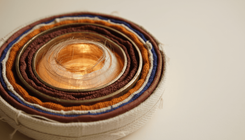
Vedanta teaches that you are not just your body or your thoughts. There are five layers, called pancha kosha or five sheaths, that wrap around your true self. Understanding these sheaths helps you see where you end and where the deeper unchanging part of you begins. This ancient teaching is used today in meditation and yoga to help you move beyond confusion and find what is truly lasting within.



The Annamaya Kosha: The Food Body
The first and outermost sheath is the annamaya kosha, the body made of food. This is your physical form—the one you see in the mirror, the one that hungers and tires. The word annamaya comes from anna, food, because this body is built from what you eat and sustained by nourishment.
The annamaya kosha is real and important. It is where you stand and move through the world. Yogic practices like asana work directly with this sheath, making it stronger, more flexible and more aware. When you pay attention to your posture, your breath, the sensations in your limbs during practice, you are working with the food body.
But Vedanta asks: is this sheath truly you? Your body changes constantly. Cells die and are replaced. If you lose a finger, are you less yourself? The body you had at age five is completely gone now, yet you feel like the same person. This suggests that you are something deeper than the physical form.
The Pranamaya Kosha: The Energy Body
Within the physical sheath lies the pranamaya kosha, the vital energy body. Prana is the life force that animates the body—not electricity or chemistry as science understands them, but the living energy that makes movement, digestion, thought and sensation possible. This sheath includes the breath, the nervous system and the subtle channels called nadis through which prana flows.
You meet the pranamaya kosha every time you notice your breath or feel energy moving in your body during pranayama practice. It is also where you experience hunger, fatigue and the rush of excitement or fear. This sheath responds to what happens in the physical body but also influences it. When you calm your breath, you calm your mind and body. When you are anxious, your breath becomes shallow and scattered.
Yet the energy body is not you either. Energy comes and goes. You sleep deeply, and prana seems to withdraw. You wake exhausted or refreshed depending on how energy moved through the night. And there are moments—in deep meditation or in profound rest—when you are aware and present even as prana falls quiet. This hints at something still deeper.
The Manomaya Kosha: The Mental Body
The third sheath is the manomaya kosha, the mental body. Manas is the thinking mind—the part that makes decisions, remembers the past, worries about the future, likes and dislikes. This is where your personality lives, your habits of thought, your ways of responding to the world.
The manomaya kosha includes the senses and the mind's perception of them. It is your likes and dislikes, your sense of self based on what you think about yourself. Much of life is lived here. Most people spend their days lost in mental activity—planning, judging, daydreaming, analyzing. When you sit in meditation and watch your thoughts without judgment, you are beginning to step outside the manomaya kosha.
But here too, there is something temporary and changing. Your thoughts are not constant. An angry thought gives way to curiosity gives way to grief, all within an hour. You sometimes catch yourself thinking and realize, in that moment of noticing, that you are separate from the thought. The awareness that sees the thought cannot be the thought itself. This witnessing awareness points to something beyond the mental sheath.
The Vijnanamaya Kosha: The Wisdom Body
The fourth sheath is the vijnanamaya kosha, the sheath of wisdom or understanding. Vijnana is direct knowing, insight, the deeper intelligence that perceives meaning and connection. This is the part of you that grasps truth intuitively, that knows something is right without needing to reason through it.
The vijnanamaya kosha is subtler than the mental body. It is less concerned with thoughts and more with understanding the principles behind them. It is where conscience lives, and where you sense the unity beneath differences. In meditation, when the mental chatter quiets and you touch a place of clear knowing without words, you are approaching the vijnanamaya kosha. This sheath is closer to what is eternal in you, but it is still not your final nature.
Even insight and wisdom change and deepen as you grow. The understanding you had ten years ago has transformed. The awareness that witnesses even this deepening intelligence must itself be unchanging.
The Anandamaya Kosha: The Bliss Body
The fifth and innermost sheath is the anandamaya kosha, the bliss body. Ananda means bliss, a state of peace and wholeness that does not depend on circumstances. This is the closest the five sheaths come to your true nature, but it is still not that nature itself.
The anandamaya kosha is sometimes experienced in deep meditation, in moments of beauty or profound love, or in sleep when the mind rests but a kind of awareness remains. It is a state of peace without agitation, of fullness without desire. Many people stop here, thinking they have found the ultimate, but Vedanta teaches that even this sheath is a covering.
Beyond the Sheaths: The Atman
The five sheaths—physical, vital, mental, wisdom and bliss—are all coverings. Beneath them all is what Vedanta calls the atman, your true self. The atman is not a sheath, not a layer. It is the unchanging awareness that witnesses all five sheaths. It is pure consciousness, not dependent on body, energy, thought or even bliss.
Knowing this conceptually is the beginning. The purpose of practicing yoga and meditation is to move through the five sheaths until your direct experience shows you what remains: the aware, infinite, eternal atman that was never touched by change. That is your deepest nature. The pancha kosha is a map showing you the way inward.
Common questions
How do the five sheaths relate to yoga and meditation practice?
Asana practice works directly with the annamaya kosha by building strength and awareness of the physical body. Pranayama engages the pranamaya kosha through the breath. Meditation helps you observe and move beyond the manomaya kosha by watching thoughts without involvement. As practices deepen, you touch the subtler sheaths until reaching the witness awareness that is your true self.
Is the vijnanamaya kosha the same as the atman or true self?
No. The vijnanamaya kosha is still a sheath or covering, though a very subtle one. It is the sheath of wisdom and intuitive understanding, but it can still change and deepen. The atman is the unchanging consciousness that witnesses even the vijnanamaya kosha. The purpose of practice is to see through all five sheaths to the atman itself.
Can you experience the anandamaya kosha in everyday life?
Yes, many people touch the anandamaya kosha in moments of deep peace, meditation, or profound love. It can also be approached in restful sleep or states of inner wholeness. However, these experiences are still temporary and passing. Vedanta teaches that while bliss is closer to your true nature than the other sheaths, the eternal atman is the unchanging reality that remains even when bliss fades.

Related Articles


