The origins of Caste System in India
Rediscovering an Ancient Vision of Equality and Purpose.

Meghana C
11 Jan 2025 • 4min
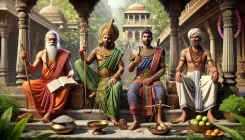
The caste system in India is often viewed through the lens of hierarchy and discrimination, but its origins tell a different story. It was initially a pragmatic division of labour aimed at ensuring societal harmony and efficiency. Over time, however, this fluid and functional system devolved into rigid and oppressive social stratification.
The caste system finds its roots in the Varna system where the society was divided into four primary groups (varnas), each associated with specific duties and responsibilities:
Brahmins: Teachers, scholars, and priests responsible for spiritual guidance.
Kshatriyas: Warriors and rulers tasked with protecting the land and enforcing justice.
Vaishyas: Merchants and farmers responsible for trade and agriculture.
Shudras: Artisans and labourers who supported society through skilled and unskilled work.
Each varna was linked to a function, not an individual’s birth. The emphasis was on action and qualities, suggesting that one’s role in society depended on their aptitude and skills rather than lineage.
At its core, the varna system was a division of labour designed to ensure the smooth functioning of society. This approach was practical and egalitarian in intent. Each group contributed to society according to its strengths and expertise. No task was considered superior or inferior; all roles were interdependent and essential. Social mobility was possible, as individuals could move between varnas based on merit and achievement.
Over time, the fluid varna system evolved into the rigid caste system. The varna system merged with local customs creating a more complex social structure. Economic and social factors led to professions being passed down within families, solidifying caste by birth. The caste system, as it is often perceived today, is a distortion of its original intent. What began as a flexible framework based on skills and societal needs became a tool for discrimination and oppression.
Texts like the Bhagavad Gita emphasize karma yoga (the path of action) and underscore that an individual’s worth lies in their deeds, not their caste or birth. Yet, these teachings were overshadowed by the misuse of caste for power and control.
The original vision of the caste system as a division of labour offers lessons for creating a merit-based, equitable society. While its historical misuse cannot be overlooked, reclaiming its foundational principles can guide us toward dismantling caste-based discrimination. As individuals, we can work to break stereotypes, challenge prejudices, and promote equality by focusing on people’s abilities and contributions rather than their backgrounds.

Related Articles