
The Meaning of Raksha Bandhan: Stories, Bonds and Customs
Love Tied into Thread, Year After Year

Sunil Chaurasia
08 Nov 2026 • 7min
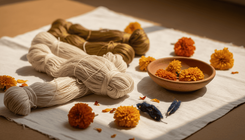
Raksha Bandhan is an ancient Indian festival that celebrates the bond between siblings. The word *raksha* means protection and *bandhan* means to tie, so the festival is fundamentally about tying protection around a loved one. On Raksha Bandhan, a sister ties a sacred thread called a rakhi on her brother's wrist, traditionally receiving his promise of lifelong care in return. Though the ritual has evolved far beyond this, the core meaning remains: a celebration of relationships built on love and mutual responsibility.
The festival is observed during the month of Shravana, typically in July or August, and is deeply woven into Hindu, Sikh, Jain and Buddhist communities across India and the diaspora. While the sister-brother relationship is its heartbeat, Raksha Bandhan has expanded to honour many kinds of bonds—between family members, between teacher and student, and even between humans and nature.



The Story of Krishna and Draupadi
One of the most well-known legends associated with Raksha Bandhan involves Krishna and Draupadi, the wife of the Pandavas in the Mahabharata. According to the story, Krishna once cut his finger while saving Draupadi from humiliation. When Draupadi learned of his wound, she tore a piece of cloth from her sari and wrapped it around his finger to stop the bleeding. Moved by her gesture, Krishna promised to protect her whenever she needed him.
This act of tying cloth to protect became the symbolic foundation of Raksha Bandhan. Years later, it is said, when Draupadi faced danger, Krishna came to her aid, fulfilling his promise. The festival thus remembers that moment of care—one person stepping in to heal another, and the bond that follows.
While this story is popular, scholars note that the Raksha Bandhan festival as practised today evolved over centuries, drawing from various regional customs and textual references rather than from a single narrative. The story of Krishna and Draupadi captures the spirit of what Raksha Bandhan came to mean, even if the ritual itself developed separately.
Regional Practices and Variations
Raksha Bandhan is celebrated across India, but the customs vary by region and community. In many parts of North India, sisters perform a puja at home, lighting a lamp, applying tilak (sacred mark) on their brother's forehead, and tying the rakhi on his wrist. The brother then offers gifts and pledges protection.
In South India, the festival is sometimes called Avani Avittam or Nariyel Poornima, and the customs differ. In some communities, it is a day when sacred threads are renewed. In others, coconut is tied as an offering to the sea, and there is less emphasis on the sister-brother ritual and more on spiritual renewal and the changing season.
In Western India, particularly Gujarat, Raksha Bandhan often coincides with celebrations of the monsoon harvest. Some communities exchange sweets and gifts more broadly within families and communities, rather than focusing solely on siblings. In Punjab, many Sikhs observe the festival as well, and the practice has taken on community dimensions that reflect Sikh values of collective care.
These variations are not departures from the "real" Raksha Bandhan—they are expressions of how the festival has become rooted in different places, always carrying forward the theme of protection and bonds.
The Evolution of the Rakhi
The rakhi itself has a long history. Traditionally made from cotton thread wound with silk, the rakhi is often decorated with marigold flowers and can include beads or small charms. The tying of the rakhi is the central act: the sister asks for her brother's well-being and ties the thread on his wrist while performing a small puja. The brother applies tilak to her forehead and traditionally receives a sweet from her.
What counts as a rakhi has broadened over time. While the sacred thread remains the traditional form, contemporary rakhis come in many styles—beaded, jewelled, or made of gold—and they are now available to tie for friends, cousins, and other relationships. This expansion reflects a modern understanding that the festival is about celebrating bonds of care, not just biology.
Even the materials have shifted. Some families now use only cotton or silk, valuing the traditional craftsmanship. Others prefer rakhis that are simpler or made sustainably. The thread can be tied by sisters or by anyone in a caregiver role. What matters in the practice is the intention: tying on the rakhi is an act of asking for someone's safety and well-being, and receiving it is a promise to deserve that care.
Raksha Bandhan and Bhai Dooj: Distinctions
Raksha Bandhan is sometimes confused with Bhai Dooj, a similar sister-brother festival celebrated a couple of weeks later in the lunar calendar. Though both involve ties between siblings, they have different origins and meanings. Raksha Bandhan is about the sister blessing and protecting her brother through the rakhi. Bhai Dooj, celebrated in the fortnight of Kartik, is marked by the brother pledging to protect his sister, and it commemorates different stories in Hindu mythology.
Bhai Dooj is less widely observed than Raksha Bandhan in many parts of India, though it is important in North India and parts of the West. The two festivals complement each other, each reinforcing the mutual responsibility between siblings from a different angle. Some families celebrate both, while others observe only Raksha Bandhan or Bhai Dooj depending on their regional tradition.
Understanding the distinction helps clarify what each festival honours: Raksha Bandhan, at its core, is about the sister's role as protector and well-wisher, while Bhai Dooj acknowledges the brother's duty of care. Together, they create a complete picture of sibling bonds as relationships of mutual responsibility.
Who Ties the Rakhi, and When
Traditionally, only sisters tie rakhis on brothers' wrists, but Raksha Bandhan has adapted to modern life. In families without sisters, mothers sometimes tie the rakhi on their son's wrist. In families with only brothers, sisters may exchange rakhis with each other or with close family members. Some people tie rakhis on cousins, close family friends, teachers, or spiritual guides as a way of honouring those relationships.
The festival also has no strict age limit. A sister can tie a rakhi on her brother at any age—whether he is younger, older, or much older. The ritual holds meaning regardless of how far apart they live; many sisters now tie rakhis on brothers in different cities or countries, either in person or through online ceremonies.
For those observing the festival, the timing is usually determined by the lunar calendar and the Shravana month. While the exact date varies each year, most Raksha Bandhan celebrations happen in July or August. Families typically plan ahead to ensure siblings are available, though in practice, many celebrate on weekends closest to the lunar date to accommodate travel and schedules.
Common questions
What is the difference between Raksha Bandhan and Bhai Dooj?
Raksha Bandhan celebrates the sister's role as protector, with the sister tying a rakhi on her brother's wrist. Bhai Dooj, celebrated a couple of weeks later in Kartik, honours the brother's pledge to protect his sister. Both festivals mark mutual sibling responsibility but approach it from different angles.
Can anyone tie a rakhi, or only sisters?
While traditionally sisters tie rakhis on brothers, the practice has expanded. Mothers, cousins, close family friends, teachers and spiritual guides can tie rakhis to honour relationships of care. Some sisters exchange rakhis with each other or with female family members.
What does the rakhi symbolise?
The rakhi symbolises a sacred bond and a request for protection and well-being. When tied, it carries the intent of blessing the wearer with safety and long life, and receiving it is a promise to honour that care and responsibility.

Related Articles


