The Fire of Liberation
Hindu Cremation Through a Spiritual Lens.

S Raj Abhinay
04 Apr 2025 • 5min

Spiritual Meaning and Environmental Impact of Cremation in Hinduism
Introduction
Have you ever wondered why Hindus prefer cremation over burial? This ancient practice isn't merely traditional—it's deeply rooted in ecological awareness and spiritual beliefs. In this post, we'll explore the profound environmental and theological reasons behind Hindu cremation, clarifying why this method holds such importance in Hindu customs.
Ecological Reasons for Hindu Cremation
Sustainable Land Use
With an ever-growing global population, the availability of land is becoming increasingly limited. Cremation addresses this practical issue by significantly reducing land usage compared to burial. Unlike burial grounds, cremation requires minimal space, allowing land to be used efficiently and sustainably.
Environmental Conservation
Traditional burials can introduce toxins into the soil, including embalming chemicals and coffin materials, potentially contaminating groundwater. Cremation, in contrast, minimizes these environmental risks by preventing soil and water pollution. Moreover, Hindu cremations typically use natural fuels like wood, which are biodegradable and environmentally friendly, further aligning the practice with ecological conservation.
Resource Management
Cremation effectively manages natural resources. It prevents the extensive use of land for graves, preserving valuable ecosystems and reducing long-term ecological footprints. By choosing cremation, Hindus promote an ecological approach to managing Earth's limited resources responsibly.
Spiritual and Theological Significance of Hindu Cremation
Release of the Soul (Atman)
In Hindu philosophy, the human body is seen as temporary, housing an eternal soul (Atman). Cremation symbolizes the rapid and complete liberation of the soul from the physical form. Burning the body ensures the swift release of the spirit, facilitating its journey toward reincarnation or spiritual liberation (moksha).
Purification through Fire (Agni)
Fire (Agni) holds sacred symbolism in Hinduism. It is viewed as purifying, transformative, and spiritually potent. Cremation harnesses this spiritual power, purifying the deceased's soul and severing material attachments. This ritual ensures the soul moves onward unhindered by residual earthly bonds, embodying Hindu beliefs about death as a stage of spiritual progression.
Cycle of Life and Death (Samsara)
Cremation vividly represents the concept of Samsara—the endless cycle of birth, death, and rebirth. Hindus believe life is transient, with the soul continuously evolving through successive lives. By reducing the physical body to ashes, cremation embodies the cycle’s temporary nature, reinforcing spiritual teachings that earthly existence is fleeting and ultimate liberation is the true goal.
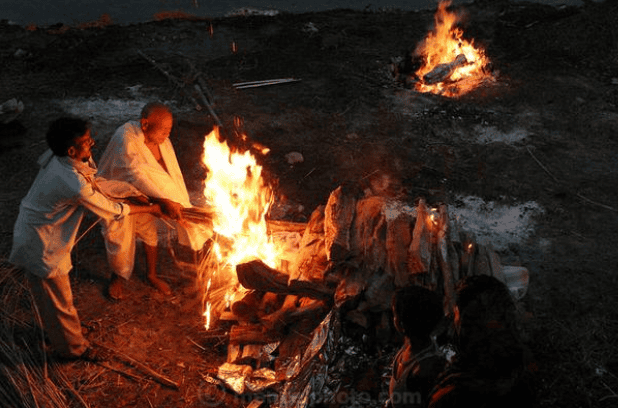
Cremation vs. Burial: Understanding the Cultural Context
It's essential to acknowledge that burial practices reflect cultural and religious contexts uniquely. While burial is prevalent in Abrahamic traditions (Christianity, Islam, Judaism), cremation aligns closely with Hindu philosophy, emphasizing reincarnation, ecological harmony, and spiritual purity.
Key Differences at a Glance:
- Land Usage: Cremation requires less land, making it ecologically beneficial.
- Environmental Impact: Burial can contaminate groundwater and soil, whereas cremation is comparatively cleaner.
- Spiritual Meaning: Cremation symbolizes purification and liberation, critical to Hindu spirituality.
Modern Adaptations: Environmentally Friendly Cremations
With rising ecological consciousness, many Hindus now seek more environmentally friendly cremation practices:
- Electric Cremation: Reduces emissions and wood usage.
- Eco-Friendly Alternatives: Use of cow dung logs or renewable fuels instead of traditional wood.
Such sustainable practices blend ecological responsibility seamlessly with traditional spiritual rites.
Conclusion
Hindu cremation uniquely integrates ecological responsibility with profound spiritual symbolism. By choosing cremation, Hindus not only preserve essential natural resources but also honor deeply held beliefs about soul liberation, purification, and the eternal cycle of life.
Interested in exploring more about Hindu customs and spiritual practices? Enhance your spiritual journey through Dharamayana, an app offering authentic guidance on rituals, prayers, Panchang details, and personalized spiritual content. Download Dharamayana today and deepen your understanding of Hindu traditions while embracing mindful ecological living.

Related Articles