
The Deepavali Oil Bath in Tamil Nadu: Significance and Practice
Ritual light from the oil that cleanses and prepares

Kushal K
03 Nov 2026 • 6min
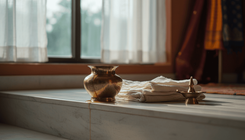
On the morning of Deepavali, before the sun rises, many Tamil households wake to perform an oil bath. This ritual is far more than a practical wash. It is a deliberate act of purification and preparation that marks the festival's beginning, rooted equally in spiritual practice and the bodily knowledge of Ayurveda. The Deepavali oil bath in Tamil Nadu carries significance both as a cleansing rite and as a preparation to meet the festival's sacred moment.



Why Oil Matters in Tamil Tradition
In Tamil culture, oil has never been merely something to clean with. The Tamil Sangam texts and later devotional poetry speak of oil as a substance that carries protection and wellbeing into the body. On ordinary days, the practice of abhyanga—a warm oil massage—is a cornerstone of Ayurvedic daily routine. But on Deepavali, the oil bath acquires heightened meaning. It is an anointing before a festival: the body becomes a temple prepared to receive the blessings of the day.
The choice of oil on Deepavali morning is deliberate. Sesame oil, coconut oil, or specifically prepared festival oils are preferred. These are warm, and the warmth itself carries meaning: it represents the dispelling of darkness and cold. Applying oil before immersion in water is also an Ayurvedic principle—the oil protects the skin's natural oils from being stripped away by bathing, maintaining what Ayurveda calls the body's ojas, or vital essence.
The Ritual Before Dawn
The Deepavali oil bath is traditionally completed before dawn, often while it is still dark. This timing is deliberate. The bath must be finished before the sun rises, and ideally before morning prayers or puja. Many families follow this with a cold water bath—the contrast between the warm oil and cool water is itself considered cleansing, both physically and spiritually.
In many Tamil households, the oil is applied to the entire body, from the crown of the head downward. The head receives particular attention: this is the seat of the senses and the mind. Once the oil has rested on the skin for a few moments—a period that might be brief or stretch to several minutes, depending on family custom—the person enters the water. The ritual is followed by wrapping in fresh clothes, often new or specially reserved for the day.
The timing also aligns with a practical reality: the oil bath is warming and the day ahead will grow hot. Completing it before dawn means the body receives its benefit without discomfort in the rising heat.
Spiritual Significance and New Beginnings
Deepavali celebrates the victory of light over darkness, the triumph of knowledge over ignorance. The oil bath is part of this story. To anoint the body with oil before the festival is to prepare it as an offering, a vessel made clean and radiant. Many Tamil families speak of the oil bath as a way to shed the past—the accumulated dust and fatigue of the preceding months are washed away literally and symbolically.
The act of bathing is never merely physical in Hindu practice. It is a rite of passage into a new state. On Deepavali morning, the oil bath marks the transition from ordinary time into the sacred time of the festival. The person emerges not just clean but transformed: ready for prayer, ready for the lighting of lamps, ready for the gathering of family and community.
Some families view the Deepavali oil bath as a parallel to the bathing that precedes major life events—marriages, sacred initiations, temple consecrations. The sense of occasion is similar: something important is about to occur, and the body and mind must be prepared with deliberation and care.
Regional Practice and Household Variation
While the practice is widespread in Tamil Nadu, the specifics of how it is performed vary by household, family custom, and sometimes by caste and community tradition. In some families, the oil bath is observed by all members on Deepavali morning. In others, it may be primarily a practice for those who will perform puja, or whose family role involves leading prayer.
The choice of oil can also differ. Some families use the same oil year to year; others purchase new oil specially for the festival. Some believe sesame oil is most appropriate, others use coconut oil. Neem-infused oils are also used in some households, valued for their cleansing properties according to Ayurvedic medicine.
The length of time oil is left on the skin before bathing can also vary. Some people oil their body and bathe almost immediately; others allow ten or fifteen minutes for the oil to absorb. These differences do not diminish the practice—they reflect the way tradition lives in households rather than in rigid uniformity.
The Ayurvedic Foundation
The Deepavali oil bath cannot be fully understood apart from Ayurveda, the ancient system of health that is embedded in Tamil and broader Indian life. In Ayurvedic understanding, the skin is the largest sense organ, and oil is medicine. Abhyanga—self-massage with oil—is prescribed as a daily practice to nourish the nervous system, balance the doshas (the three constitutional forces of the body), and maintain health.
On Deepavali morning, this principle is applied intentionally. The oil selected is often warm, and the massage-like application of oil to the body follows Ayurvedic principles even when performed as a ritual rather than a strictly therapeutic act. The warm oil increases circulation, calms the nervous system, and prepares the body to receive the benefits of the water bath to follow. Cold water applied after warm oil is also an Ayurvedic practice believed to close the pores and seal in the benefits of the oil.
For those who understand Deepavali through both spiritual and health practices, the oil bath is both: a ritual of purification for the festival, and a gift to the body's long-term wellbeing.
Common questions
What oil is best for the Deepavali bath?
Sesame oil and coconut oil are the most commonly used oils for the Deepavali oil bath in Tamil households. Some families use neem-infused oil for its cleansing properties according to Ayurveda. The specific choice often depends on family custom and what grows or is available in your region.
Can I do the oil bath later in the day if I cannot wake early?
Traditionally the oil bath is completed before dawn and before morning puja, as part of preparing for the festival's sacred beginning. If you cannot bathe before dawn, performing it as early as possible in the morning maintains the ritual's intention, though the specific timing of pre-dawn has particular significance in Tamil practice.
Is the oil bath only for people performing puja?
While the practice is most closely associated with those leading prayer, in many Tamil households it is observed by all family members as part of Deepavali preparation. The practice varies by household and community custom—check what your own family has followed, or begin it if it resonates with your understanding of the festival.

Related Articles


