The Benefits of Spinal Twists in Yoga
Unlocking the Power of Uttana Vakrasana
Shanti Arunkumar
08 Apr 2025 • 7min
Introduction
Imagine this: you’re lying comfortably on your bed, reaching lazily toward a book near your foot. But instead of a smooth stretch, you're met with stiffness, resistance, and a sharp realization your body isn't as flexible as it used to be. It signals a powerful opportunity to reawaken your body through the ancient practice of yoga.
One pose in particular, Uttana Vakrasana, or the Supine Twisting Pose, stands out for its transformative effects. More than a simple twist, it's a gateway to spinal health, digestive wellness, and inner calm. Whether you're a beginner or an advanced yogi, this restorative posture invites you to experience strength, surrender, and awareness in perfect harmony.
In this blog, we’ll explore the benefits of spinal twists, the step-by-step guide to Uttana Vakrasana, and how integrating this pose into your practice can support your holistic well-being.
What is Uttana Vakrasana?
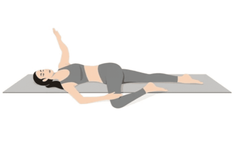
Uttana Vakrasana, derived from Sanskrit—“Uttana” (intense stretch or extended), “Vakra” (twist), and “Asana” (pose)—is a gentle yet effective spinal twist performed while lying on your back. Unlike seated or standing twists that require more core engagement and balance, this supine variation allows gravity to assist, promoting deeper relaxation and precise spinal alignment.
Why Are Spinal Twists Important in Yoga?
Spinal twists are an integral part of any well-rounded yoga practice. Here’s why:
Spinal Mobility: They enhance flexibility and range of motion in the vertebral column
Digestive Support: Twisting massages internal organs, promoting healthy digestion and detoxification
Tension Release: Twists help to unlock tightness in the back, shoulders, and hips
Energetic Balance: Twisting postures stimulate the nadis (energy channels), harmonizing the flow of prana (life force)
How to Practice Uttana Vakrasana: Step-by-Step Guide
Starting Position
- Lie flat on your back on a yoga mat
- Extend your arms sideways, forming a T-shape with your torso
- Keep your legs straight and feet together
- Shoulders remain grounded and relaxed
Optional Variations:
- Interlock fingers behind the head for additional support
- Keep one leg extended while crossing the other over for a deeper stretch
- Turn the head in the opposite direction of the knees to enhance the twist
Execution
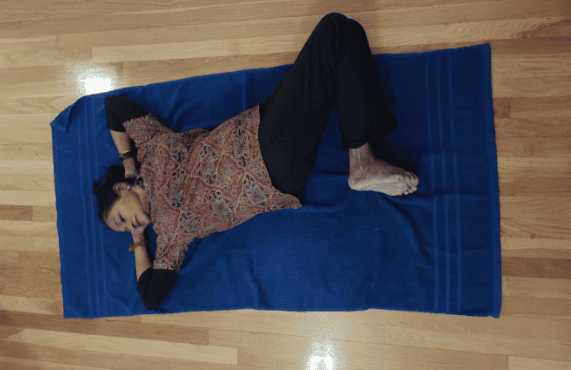
- Bend your knees and place both feet flat on the floor, hip-width apart
- Inhale to prepare, grounding the shoulders
- Exhale and drop your knees to one side, keeping them stacked
- Turn your head in the opposite direction if comfortable
- Stay for 30 seconds to 2 minutes, breathing deeply
- Inhale to bring the knees back to the center
- Exhale and repeat on the other side
Alignment Cues
- Ensure both shoulders remain on the mat
- Place a folded blanket under the knees if they don’t touch the floor comfortably
- Do not force the twist—let it happen gently through the spine
- Keep your neck neutral if there’s any discomfort in turning the head
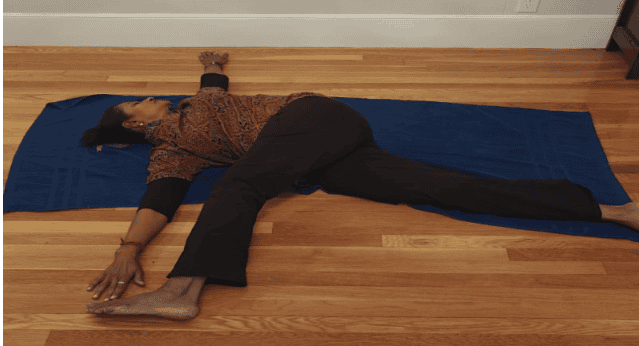
Benefits of Uttana Vakrasana
- Spinal Health: Promotes spinal alignment, mobility, and decompression
- Digestive Aid: Stimulates the digestive tract and helps eliminate toxins
- Stress Reduction: Calms the nervous system and lowers cortisol levels
- Detoxification: Encourages lymphatic drainage and circulatory movement
- Hip Mobility: Opens the hip flexors and relieves pelvic tension
- Back Pain Relief: Eases lower back tension when practiced correctly
Modifications for Different Needs
Beginners: Use a bolster or cushion under the knees
Neck Sensitivity: Keep your head centered rather than turning
Lower Back Issues: Elevate knees with a blanket to reduce strain
Deeper Twist: Extend the top arm in line with your shoulder for a more intense rotation
Contraindications
Avoid or modify Uttana Vakrasana if you have:
- Acute or chronic back pain
- Spinal disc injuries
- Recent abdominal surgeries
- Late-stage pregnancy
- Severe gastrointestinal issues
Always consult with a healthcare or yoga professional before beginning a new posture if you have medical concerns.
How to Integrate Uttana Vakrasana in Your Yoga Practice
This pose is best incorporated:
- At the end of a yoga session for cool-down
- Before Savasana (Corpse Pose) to ease into stillness
- As a morning stretch to awaken the body
- In the evening to release the day’s tension
Pair it with other gentle postures like Supta Matsyendrasana, Ananda Balasana (Happy Baby Pose), or Viparita Karani (Legs Up the Wall) for a restorative sequence.
Conclusion
Uttana Vakrasana transcends mere physical movement; it embodies a journey toward inner equilibrium, encouraging deep breathing and a profound connection with one's body. Regular, mindful practice can alleviate tension, revitalize the spine, and soothe the mind, fostering flexibility and resilience in both body and spirit.
To further enrich your spiritual practice, consider integrating the Dharmayana app into your daily routine. Designed as a comprehensive companion for Hindus, Dharmayana offers features like personalized prayers (Prarthana), accurate Panchang details, and insights into auspicious timings (Shubh Muhurta), supporting your path to Dharma. Embrace this opportunity to deepen your practice and spiritual journey.

Related Articles