
The 27 Nakshatras: Lunar Mansions Explained
Map the moon's ancient dance across the sky

Sunil Chaurasia
10 Nov 2026 • 6min
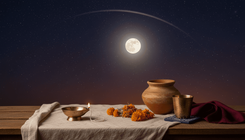
In Vedic astrology, the 27 nakshatras explained are the lunar mansions—the 27 stages the moon passes through as it moves around the Earth over the course of a month. Each nakshatra covers roughly 13 degrees and 20 minutes of the sky, and together they form the foundation of the Vedic calendar, astrology, and personal destiny. While the sun marks the seasons, the moon marks the days, and it is the nakshatras that tell us which day it is in the lunar cycle. Understanding them opens a door into how Vedic culture has measured time, understood personality, and guided ritual practice for thousands of years.



What are Nakshatras and Why 27?
The word nakshatra comes from two roots: nak, meaning night, and shatra, meaning to flourish or decay. In Vedic texts, the nakshatras are described as the lunar constellations that the moon visits as it journeys around the zodiac. The choice of 27 rather than another number comes from careful observation. The moon takes roughly 27.3 days to complete one full orbit, and the Vedic system divided this orbit into 27 equal divisions to match the lunar cycle with mathematical precision. Some ancient texts mention 28 nakshatras, but the 27 divisions became the standard, each measuring exactly 13 degrees and 20 minutes of celestial longitude. This geometry allowed the Vedic scholars to create a calendar system that was accurate to the natural rhythms of the moon.
The 27 Nakshatras and Their Names
The 27 nakshatras, in order, are: Ashwini, Bharani, Krittika, Rohini, Mrigashirsha, Ardra, Punarvasu, Pushya, Ashlesha, Magha, Purva Phalguni, Uttara Phalguni, Hasta, Chitra, Swati, Vishakha, Anuradha, Jyeshtha, Mula, Purva Ashadha, Uttara Ashadha, Shravana, Dhanishta, Shatabhisha, Purva Bhadrapada, Uttara Bhadrapada, and Revati. Each name carries meaning drawn from nature and mythology. Ashwini, the first, means horsemen and is associated with swiftness and healing. Rohini, the fourth, is linked to the star Aldebaran and represents growth and beauty. Chitra, the 14th, means bright or variegated. Some nakshatras carry names of deities, others the names of plants or animals, and each has its own characteristics, ruling planet, deity, and symbolic animal. These names are not arbitrary; they encode qualities and associations that have guided ritual timing, astrological reading, and life planning in Indian culture for centuries.
Nakshatras in Calendar and Ritual
The nakshatras form the skeleton of the Vedic calendar, which is lunar rather than solar. When the moon enters a new nakshatra, the day changes in the Vedic reckoning, independent of the solar day used in the modern calendar. This is why festival dates shift from year to year in the Western calendar: they follow the lunar months and the movement of the moon through the nakshatras. Specific nakshatras are considered auspicious for certain actions. For example, Pushya nakshatra (the eighth) is traditionally regarded as highly auspicious and is a favored time for beginning new ventures, learning, and receiving blessings. Ashlesha (the ninth) is sometimes avoided for starting new things, though it has its own purposes in ritual and practice. When performing a puja or ritual, knowing which nakshatra the moon is in allows a practitioner to align their action with cosmic timing. Birth nakshatras are also considered significant: your janma nakshatra, or birth nakshatra, is the one the moon occupied at the moment of your birth, and it is said to influence your personality, strengths, and challenges.
How Nakshatras Connect to Astrology and Personality
In Vedic astrology, the nakshatras form a finer and more nuanced map than the 12 zodiac signs alone. While the zodiac divides the sky into 12 sections based on the sun's path, the nakshatras divide it into 27, giving each individual a far more specific astrological identity. Your birth chart, or janma kundali, records which nakshatra the moon was in at birth, which nakshatra your sun was in, and where other planets fall. These placements are believed to reveal not just personality traits but also karmic patterns and life direction. Some schools of Vedic astrology also associate the nakshatras with what is called pada—the quarter or division of a nakshatra—giving even finer gradation. Different nakshatras are associated with different temperaments: Ashwini is quick and healing-oriented; Krittika (the third) is sharp and discerning; Pushya is nurturing and protective; Anuradha (the 17th) is associated with devotion and friendship. Astrologers use these associations alongside the positions of the planets to offer insight and guidance.
Nakshatras Beyond Astrology
The practical reach of nakshatras extends well beyond formal astrology. In many Indian households and temples, the lunar calendar based on the nakshatras guides the timing of daily practices, fasting, and worship. Certain nakshatras are considered more favorable for bathing in sacred waters, receiving initiation, or tying the sacred thread. Different regions of India may have slightly different associations and customs, but the foundation remains the same: the belief that the moon's position carries influence and meaning. The nakshatras also appear in classical texts on music, dance, and medicine. They represent one of the oldest examples of how Indian civilization systematized observation of the natural world into a framework for understanding time, personality, and action. To know the nakshatras is to hold one end of a thread that runs through Vedic knowledge, from the most practical calendar question—when should this be done?—to the deepest astrological one—who am I?
Common questions
Which nakshatra is best for starting something new?
Pushya (the eighth nakshatra) is traditionally considered one of the most auspicious for beginning ventures, undertaking study, and receiving blessings. Ashwini and Rohini are also generally favorable. Ashlesha is often avoided for new starts, though astrologers may use it for other specific purposes.
What is my birth nakshatra and how do I find it?
Your birth nakshatra, or janma nakshatra, is the one the moon occupied at the moment of your birth, recorded in your janma kundali (birth chart). You can find it through a Vedic astrologer or online calculation tools using your exact birth date, time, and place. It is said to influence your personality, strengths, and life direction.
How do lunar festivals use the nakshatras?
Because the Vedic calendar is lunar, festival dates are determined by which nakshatra the moon is in, not by the solar date. This is why Ekadashi, Diwali, and other festivals fall on different dates each year in the Western calendar. Checking which nakshatra it is helps confirm the right day for observance and ritual.

Related Articles


