The 16 Sanskaras in Hinduism
A Complete Guide to Hindu Life Milestones

S Raj Abhinay
19 Mar 2025 • 7min
Introduction
Hinduism, one of the world's oldest religions, places great significance on rituals and traditions that guide an individual through the various stages of life. These sacred rites of passage, known as Sanskaras, help refine an individual’s character, purify their soul, and align them with their dharma (duty), artha (wealth), kama (desire), and moksha (liberation).
The 16 Sanskaras, also known as Shodasha Sanskaras, are deeply rooted in Vedic scriptures and serve as a framework for spiritual and social development. Each milestone marks a transition in life and ensures the holistic well-being of an individual.
This guide explores the 16 Sanskaras with meaning, their rituals, and their significance in shaping an individual’s journey from birth to death.
What Are Sanskaras?
The term Sanskara originates from Sanskrit, meaning "making perfect" or "refining." These rituals are designed to purify the body, mind, and soul while fostering social and spiritual harmony. Though ancient texts mention up to 40 Sanskaras, the most significant and widely practiced are the 16 Sanskaras in order.
The 16 Sanskaras: A Detailed Guide
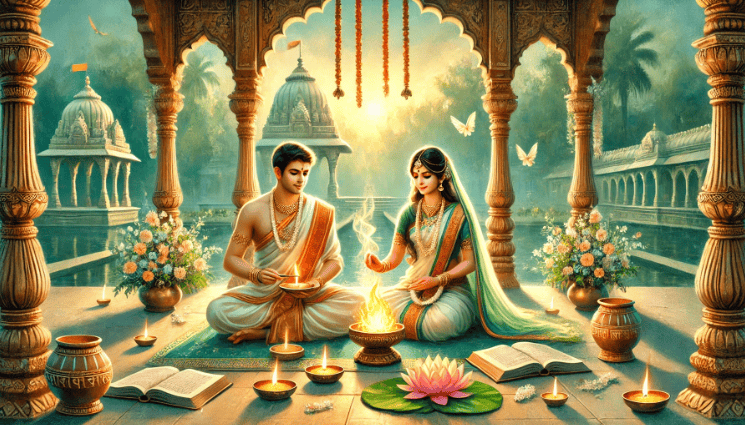
1. Garbhadhana Sanskara (Conception Ceremony)
Purpose: To invoke divine blessings for the birth of a healthy and virtuous child.
Ritual: Performed before conception, couples chant Vedic mantras and offer prayers to deities like Vishnu and Agni.
Significance: Highlights the importance of bringing a spiritually aware soul into the world.
2. Pumsavana Sanskara (Fetus Protection Ceremony)
Purpose: To ensure the well-being of the fetus and its proper development.
Ritual: Conducted in the third or fourth month of pregnancy, involving the chanting of mantras and offering special herbs.
Significance: Emphasizes prenatal care and the spiritual bond between mother and child.
3. Simantonayana Sanskara (Hair Parting Ceremony)
Purpose: To protect the expectant mother and ensure a safe delivery.
Ritual: Performed in the seventh or eighth month, the husband parts the wife's hair and recites protective mantras.
Significance: Prepares the mother mentally and spiritually for childbirth.
4. Jatakarma Sanskara (Birth Ceremony)
Purpose: To welcome the newborn and initiate their spiritual journey.
Ritual: The father whispers sacred mantras into the baby’s ear and feeds them honey and ghee.
Significance: Marks the child's connection with the divine and their entry into the world.
5. Namakarana Sanskara (Naming Ceremony)
Purpose: To formally name the child based on their birth star and horoscope.
Ritual: Conducted on the 11th or 12th day after birth, involving family blessings and prayers.
Significance: The name holds spiritual importance and reflects the child's identity and destiny.
6. Nishkramana Sanskara (First Outing Ceremony)
Purpose: To introduce the child to nature and external surroundings.
Ritual: The child is taken outdoors for the first time and offered prayers to the sun and other celestial forces.
Significance: Symbolizes the child's interaction with the world and their cosmic connection.
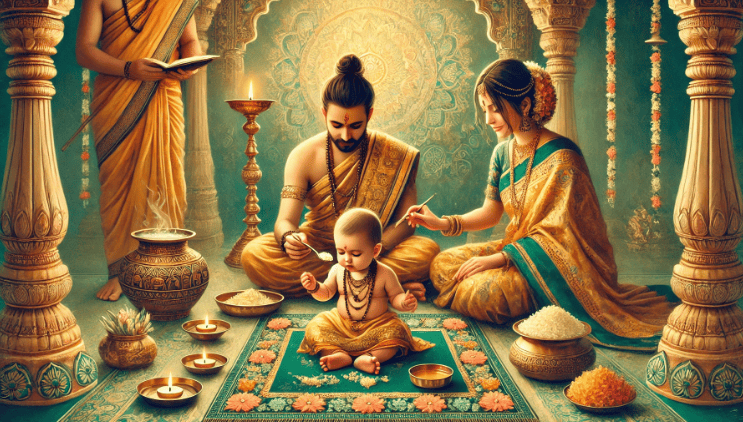
7. Annaprashana Sanskara (First Feeding Ceremony)
Purpose: To introduce solid food to the child.
Ritual: The child is fed rice mixed with ghee and honey, accompanied by prayers for good health.
Significance: Marks the transition from a milk-based diet to solid food.
8. Chudakarana Sanskara (Tonsure Ceremony)
Purpose: To purify the child and remove past negative influences.
Ritual: The child's head is shaved, and the hair is offered to a sacred river.
Significance: Symbolizes the shedding of past karma and a fresh spiritual beginning.
9. Karnavedha Sanskara (Ear Piercing Ceremony)
Purpose: To enhance sensory perception and ensure good health.
Ritual: The child's ears are pierced while chanting protective mantras.
Significance: Represents the ability to listen to wisdom and spiritual teachings.
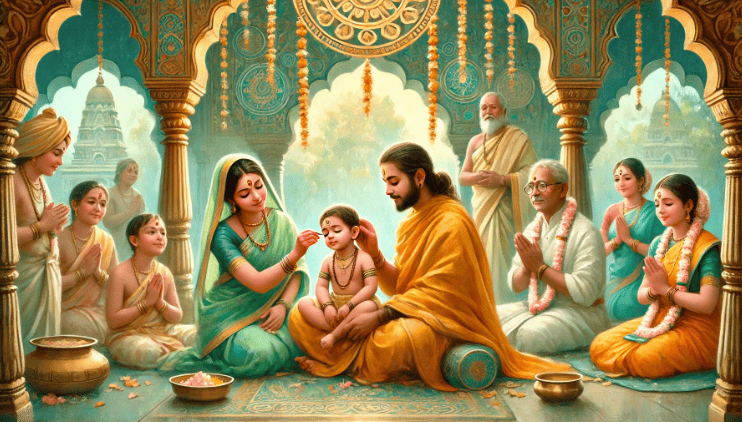
10. Vidyarambha Sanskara (Beginning of Education)
Purpose: To initiate formal learning.
Ritual: The child writes their first letters, often starting with "Om," with prayers to Saraswati, the goddess of knowledge.
Significance: Marks the start of intellectual and academic development.
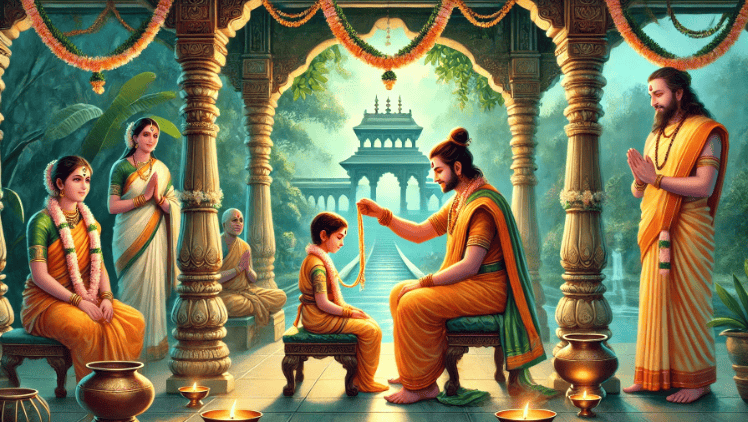
11. Upanayana Sanskara (Sacred Thread Ceremony)
Purpose: To initiate the child into the study of the Vedas and disciplined living.
Ritual: The child receives a sacred thread and learns the Gayatri Mantra from their guru.
Significance: Represents a second spiritual birth and commitment to learning.
12. Vedarambha Sanskara (Beginning of Vedic Studies)
Purpose: To commence the study of Hindu scriptures.
Ritual: The child begins learning Vedic texts under the guidance of a guru.
Significance: Reinforces the importance of knowledge and self-discipline.
13. Keshanta Sanskara (First Shave)
Purpose: To signify the transition from adolescence to adulthood.
Ritual: The boy’s first beard is shaved while prayers are offered for maturity and responsibility.
Significance: Marks the end of childhood and the onset of adult responsibilities.
14. Samavartana Sanskara (Graduation Ceremony)
Purpose: To mark the completion of formal education.
Ritual: The student offers gratitude to their guru and prepares to enter household life.
Significance: Represents the shift from learning to practical responsibilities.
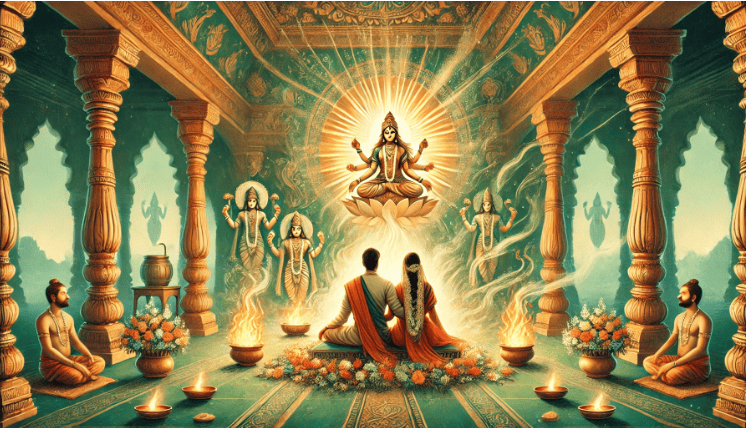
15. Vivaha Sanskara (Marriage Ceremony)
Purpose: To unite two individuals in a sacred bond.
Ritual: Includes sacred vows, the seven steps (Saptapadi), and prayers to Agni and Vishnu.
Significance: Establishes the foundation for family and social harmony.
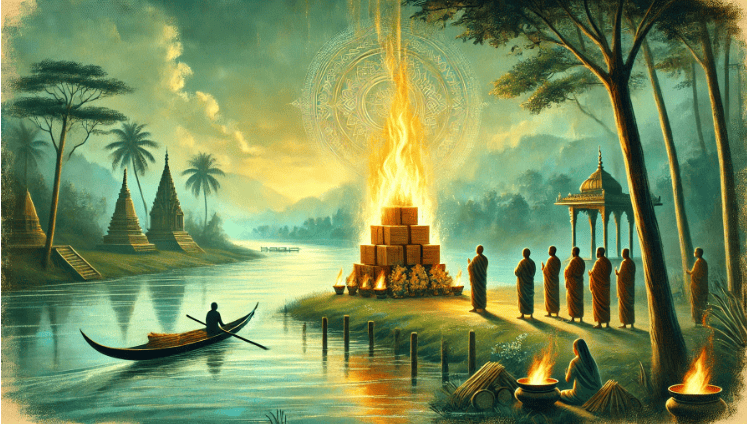
16. Antyeshti Sanskara (Funeral Rites)
Purpose: To ensure the peaceful transition of the soul.
Ritual: The body is cremated, and prayers are offered to guide the soul towards moksha.
Significance: Marks the end of physical existence and the journey towards liberation.
Conclusion
Understanding and practicing the 16 Sanskaras provides a structured path for an individual's physical, mental, and spiritual development, emphasizing harmony with dharma, family, and society, ultimately leading to moksha (liberation). By honoring these sacred traditions, one can embrace a holistic approach to life that fosters both worldly success and spiritual growth.
To seamlessly integrate these practices into your daily life, the Dharmayana app offers a comprehensive suite of features. Access accurate panchang information to determine auspicious timings (shubh muhurat) for rituals and ceremonies, receive personalized horoscope (rashifal) predictions, and generate your kundli for future insights. Stay informed about today's festivals and engage in daily pooja with guided prayers. Download Dharmayana now to deepen your connection with Hindu traditions and enrich your spiritual journey.

Related Articles