
Takra: Buttermilk in Ayurvedic Tradition
Digestive Strength, Rooted in Daily Wellness

Kushal K
15 Nov 2026 • 7min
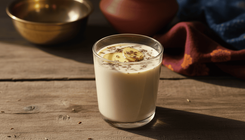
Takra is the Ayurvedic term for a preparation of buttermilk—specifically, the liquid that separates when yogurt (dahi) is churned to make butter. In Ayurvedic tradition, takra holds a place of quiet importance: it is both a food and a medicine, a staple in many Indian kitchens and a remedy Ayurvedic physicians have prescribed for thousands of years. What makes takra distinct from ordinary buttermilk is how it is made, the intentions behind its preparation, and the way Ayurveda understands its effects on your digestion, energy and immunity.



The nature of takra in Ayurveda
Takra sits in an unusual position within Ayurvedic thinking. Dahi (yogurt) is warm and heavy—it improves digestion but can be difficult for some people to process. When churned, dahi becomes takra, which is lighter, warmer in its action despite being cooler to touch, and easier to digest. Ayurveda teaches that takra balances all three doshas—Vata, Pitta and Kapha—though the balance depends on how it is prepared and what is added to it.
The classical Ayurvedic texts treat takra as a rasayana, or rejuvenative substance. It supports the deeper tissues of the body and sustains health over time. Unlike dahi, which sits heavy in the stomach if eaten in quantity, takra moves through your system without burden. This makes it valuable for people whose digestion is weak, whose energy drops through the day, or who are recovering from illness.
How takra differs from buttermilk you buy
Most buttermilk in modern shops is a by-product of making butter from cream—a thinned, salted, often pasteurised liquid far removed from traditional preparation. True Ayurvedic takra is made by churning whole-milk yogurt with water until the fat separates, leaving behind a thin but nourishing whey. The result has a completely different energetic profile.
When you make takra the traditional way, you begin with fresh dahi made from whole milk. You churn it with water in proportions that vary by region: some say equal parts dahi and water, others add more water to make it lighter. As you churn, the butterfat rises and can be collected as ghee or butter. What remains is takra—still creamy from the milk solids and whey, but much lighter than the original yogurt.
The spices added during or after churning matter deeply. Some takra is made plain. Other versions include ginger, cumin seeds, rock salt, and asafetida—each spice chosen for its effect on digestion. In South India, takra may include curry leaves and green chillies. In other regions, fennel or coriander seed are used. These variations reflect local growing conditions and the specific needs Ayurvedic practitioners noticed in their communities.
Why takra suits weak digestion
One of takra's classical uses is for people whose digestive fire (agni) is low. If you eat heavy foods but digest them slowly, or if your stomach feels sluggish and bloated after meals, takra can kindle your digestion without irritating it. The light, liquid nature of takra carries the warmth of spices deep into the digestive tract, stimulating the enzymes and movements needed to break food down efficiently.
Takra is also valued for people who feel fatigued, who recover slowly from illness, or who experience constipation despite adequate food intake. In each case, the reasoning is the same: takra is nourishing enough to rebuild tissues and strength, yet light enough not to tax a fragile digestion. Many Ayurvedic practitioners suggest takra for the elderly, the very young, and anyone convalescing.
The distinction between takra and dahi matters here. Dahi can sometimes increase a slow, stuck digestion further. Takra, being lighter and more mobile in the body, tends to move things along while still providing nutrition.
Balancing the doshas with takra
Takra's relationship with the three doshas depends on how it is made. Plain takra, made simply from dahi and water, is considered slightly cooling and settling to Vata—useful for people whose digestion is scattered and anxious. A takra prepared with warming spices such as ginger, cumin and asafetida can balance Pitta's heat while still supporting digestion. Takra made thicker, with less water, serves Kapha better than a thin, watery version.
An Ayurvedic practitioner will prescribe takra differently based on your constitution (prakriti) and your current state (vikriti). Someone of Pitta constitution, prone to heat and sharp digestion, might take takra that is cooler and more liquid. A Vata-type person, who tends toward dryness and irregularity, might be given a takra enriched with more milk solids and warming spices.
Takra as everyday practice
In many Indian households, takra has never left the daily table. Particularly in summer, when heat slows digestion and the body loses fluids, takra appears at lunch or as a cooling drink between meals. It is less sweet than lassi and less filling than dahi, which makes it easy to include regularly without disrupting the appetite for the main meal.
The practice of drinking takra has seasonal rhythm. In summer, when Pitta is highest and the body needs cooling yet supporting nourishment, takra becomes more prominent. In winter, when digestion is stronger and the body can handle heavier foods, it may appear less often. In the monsoon months, when dampness can clog digestion, a takra with warming spices becomes the preference.
Making takra at home is simple enough for anyone with access to yogurt and water. The ritual of churning—whether by hand or with a modern blender—is part of what makes the practice grounding. You can feel the transformation as you work, and adjust the texture to suit your need.
When not to take takra
Takra is not universally appropriate. If you have an abundance of kapha—feeling heavy, congested, or prone to colds and sluggish digestion—plain, thin takra may increase the problem. In this case, a takra made with stronger spices, or no takra at all, would be wiser. Similarly, if you are experiencing acute diarrhoea, takra is best avoided until digestion has settled, even though it helps chronic sluggishness.
Those with a severe dairy sensitivity or lactose intolerance will struggle with takra as with any yogurt product, regardless of its benefits. Ayurveda teaches that a medicine must be suitable to the individual, not administered in blind faith. If takra does not suit you, other preparations exist to support your digestion.
Common questions
Is takra the same as chaas or lassi?
No. Chaas is a regional name for spiced buttermilk, and lassi is a yogurt drink often blended with fruit and sweetened. Takra is specifically the liquid separated by churning yogurt to make butter, and it is lighter and more medicinal in its action than either. All three are made from dairy, but their preparation and effect differ.
Can I make takra from store-bought buttermilk?
Store buttermilk is not true takra and will not have the same properties. Proper takra must be made by churning whole-milk yogurt with water. If you do not have time to churn, using fresh yogurt thinned with warm water and spices comes closer to takra's effect than any commercial buttermilk.
How much takra should I drink daily?
Most Ayurvedic sources suggest one small cup (about 150 to 200 ml) of takra with lunch, especially in warm months. Start with less if your digestion is weak, and avoid it entirely if you feel heavy or congested. An Ayurvedic practitioner can advise you based on your specific constitution and current health.

Related Articles


