
Takra: Buttermilk and Its Place in Ayurvedic Practice
A cooling drink for balance and digestion

Kushal K
16 Nov 2026 • 7min
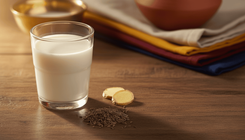
Takra, or buttermilk, holds a quiet but significant place in Ayurvedic wellness practice. It is not a modern health drink rediscovered by wellness trends; it is a food that Ayurvedic physicians have understood and recommended for centuries, with specific qualities and uses that differ from how most of us drink buttermilk today. If you are curious about takra, or about why Ayurveda mentions it so often, the answer lies in how this simple food interacts with your digestion and constitution.



What Takra Is
Takra is the liquid left after butter or ghee is churned from dahi (yoghurt). In the West, this is often called buttermilk, but the two are not quite the same. Traditional takra, made from hand-churned dahi, has a different composition and quality from the thinned cultured buttermilk sold in shops. The key difference is how it is made: takra is the byproduct of clarifying dahi, while commercial buttermilk is cultured milk thinned with water.
In Ayurvedic terms, takra has particular properties that make it useful for specific constitutions and seasons. It is considered cooling, which is why it appears most often in recommendations for Pitta imbalance and in the hot months of summer. It is also thought to kindle digestive fire, or agni, in a gentle way—stronger than plain water, but not as heating as plain dahi might be.
The Three Doshas and Takra
Ayurveda describes three doshas, or constitutions: Vata, Pitta and Kapha. Each responds differently to takra, and this is where Ayurvedic understanding becomes practical for your own wellbeing.
For Pitta types—those prone to heat, sharp appetite, irritation and strong digestion—takra is near ideal. Its cooling quality directly addresses Pitta's nature. It can be taken regularly during Pitta season, which corresponds to the warmer months from May to August, or whenever Pitta imbalance shows itself: acid reflux, skin inflammation, anger or burnout.
For Vata types, takra works but needs adjustment. Vata is dry and irregular, and takra is thin and light, which could increase Vata's dryness if taken cold or alone. A Vata person would do better to warm takra slightly and add warming spices like ginger or cumin, or to pair it with warming grains or ghee.
For Kapha types—those with heaviness, slowness, and cool dampness—takra is less commonly recommended. Kapha already has the cool, heavy qualities takra brings. However, takra spiced with warming agents like black pepper or ginger, or taken in small amounts after a meal, can support Kapha digestion without aggravating the dosha.
How Takra Supports Digestion
Ayurveda does not think of digestion as a single event in your stomach. Agni, the digestive fire, works throughout your body and your day, breaking down not just food but also sensations, thoughts and experiences. Takra is said to kindle agni, especially the agni that works in your small intestine.
This happens, according to Ayurvedic theory, because takra contains beneficial bacteria and organic acids that support healthy gut flora and improve the breakdown of food. Modern nutrition science agrees: fermented foods like takra do carry bacteria and compounds that may support healthy digestion. The Ayurvedic understanding and the scientific understanding converge here, though they use different language.
Takra is also lighter than dahi, so it is easier to digest even for people whose agni is not as strong. If someone has weak digestion, or is recovering from illness, takra can be easier on the system than plain yoghurt.
Takra Versus Dahi and Chaas
Confusion often arises between takra, dahi and chaas, and understanding the differences helps clarify when to use each.
Dahi is yoghurt—milk fermented with specific cultures. It is heavier, cooler and more sour than milk, and it can slow digestion if eaten in large amounts. Dahi is often used as a side in Indian meals, but Ayurvedic practitioners recommend small portions, usually mixed with vegetables or spices, rather than large bowls on their own.
Chaas is dahi thinned with water and spiced with cumin, ginger, salt and sometimes green chilli. It is a common drink across India, and it is lighter than dahi, but it is not the same as takra. Chaas is dahi diluted; takra is the liquid left over from churning. Takra has the qualities of butter and the lightness of whey, while chaas has the qualities of dahi, simply diluted.
In practice, if you cannot get true takra where you live, chaas spiced with warming ingredients comes close. But if you are making dahi at home and have the chance to churn it for butter, the takra you drain off afterward is the real thing.
Making and Using Takra at Home
True takra is easiest to make if you make ghee at home. When you churn dahi to separate the butterfat, the liquid left behind is takra. If you do not make ghee at home, you can still approximate takra by thinning plain dahi with water and adding spices, though this will be closer to chaas.
To use takra as an Ayurvedic remedy, drink it warm or at room temperature, not cold, and in small quantities—a quarter cup to half a cup with a meal. Add warming spices if you are Vata or Kapha, or keep it plain if you are Pitta and want maximum cooling benefit. Takra is best taken in the middle of the day, when your digestive fire is strongest, rather than at night.
Some Ayurvedic practitioners recommend takra in specific Ayurvedic treatments, including certain oil massage therapies and recovery protocols. If you are working with a practitioner, they may suggest takra as part of a more structured plan. On its own, regular takra as part of meals is safe for most people when taken in the amounts suggested above.
Seasons and Occasions
In traditional Indian homes, takra appears most naturally during the months when dahi is made regularly and ghee is prepared. This often aligns with cooler months when milk production is high, though it can be made year-round.
Summer is the classic season for takra, when Pitta is highest and the cooling qualities are most welcome. A glass of spiced takra in the afternoon is a traditional remedy for the heat and irritation of summer. In winter, takra becomes less central to practice, though a warm, spiced version can still support digestion if agni is sluggish from the cold.
Takra also appears in Ayurvedic recovery protocols. After fever, diarrhoea or other acute conditions, warm, spiced takra is often recommended as a first step back to normal eating, because it is nourishing, gentle and supports a return to balanced digestion.
Common questions
Is takra the same as the buttermilk you buy in shops?
No. True takra is the liquid left after churning dahi to separate the butter or ghee, while commercial buttermilk is cultured milk thinned with water. Traditional takra has different qualities and is lighter and more easily digested.
Can I drink takra every day or just sometimes?
For Pitta types with balanced digestion, small amounts of takra with meals can be taken regularly, especially in warm months. For Vata and Kapha types, takra works better as an occasional drink or spiced with warming ingredients, rather than daily.
What time of day should I drink takra?
Takra is best taken around midday with a meal, when your digestive fire is strongest. Taking it in the evening or on an empty stomach is less effective and can disturb digestion, especially for Vata types.

Related Articles


