Surya Arghya: How to Offer Water to the Sun
Greet the dawn with gratitude and light

Kushal K
08 Nov 2026 • 8min
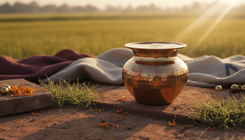
Surya arghya is an offering of water to the sun, a daily ritual that many people perform at dawn as an act of devotion and gratitude. The word arghya means offering, and in this practice you stand facing the rising sun and present water to it using cupped hands or a vessel. It is one of the simplest and most accessible rituals in Hindu practice, requiring only water, intention and a few minutes of your morning.
The practice rests on the understanding that the sun is not merely a physical body but a living deity, Surya, who sustains all life on earth. Water is the offering because it is essential to life, and because it catches and reflects light—making it a natural gift to the sun itself. This ritual appears in ancient texts and remains common across India today, performed by people of all ages and backgrounds.



Why surya arghya matters
The sun holds a central place in Hindu philosophy and practice. Surya is described in the Rigveda as the eye of the world and a source of both physical and spiritual energy. By offering water to the sun each morning, you acknowledge your dependence on its light and warmth, and you align yourself with the natural rhythm of day and night.
Many practitioners say that surya arghya creates a sense of connection to something larger than themselves. The ritual marks the boundary between sleep and wakefulness, between darkness and light. It is a moment to set an intention for the day ahead, to express gratitude, or simply to pause before the day's demands begin. Some traditions say that the practice strengthens health, brings clarity of mind, and supports the nervous system through exposure to early morning light.
The offering itself carries meaning. Water flows downward and returns to the earth, symbolising the cycle of giving and receiving. When you pour water while facing the sun, you are not claiming ownership of that water or that light, but recognising them as gifts to be honoured and shared.
How to perform surya arghya
Begin by standing facing east, towards the rising sun, ideally with your feet on bare earth or grass. You can perform this ritual outdoors on a terrace, in a garden, or even standing at an open window if needed. The important thing is that you can see the sun and that you are present with intention.
Collect fresh water in a vessel—a small pot, cup, or bowl. Some people use water from a well or collected rainwater, though tap water is acceptable. The water should be at room temperature or slightly cool. If you wish, you can add a pinch of sesame seeds or rice grains to the water, though this is optional and varies by family tradition.
As the sun rises, hold the vessel in both hands or cup the water in your palms. Stand with feet slightly apart, facing the sun directly. Many people perform this practice barefoot, as it is said to ground the energy. If you are performing arghya for the first time, simply pouring the water as an offering is complete in itself; the ritual does not require elaborate words or specific mantras.
Some practitioners chant a mantra as they pour. One simple option is to recite the Gayatri Mantra, which invokes Surya and is traditionally chanted at dawn. Others use shorter invocations in Sanskrit or simply pour the water while speaking a prayer of gratitude in their own language. The sincerity of your attention matters more than the words you use.
Pour the water slowly, allowing it to flow towards the sun. As the water falls and catches the early light, watch it carefully. The moment of pouring is the heart of the ritual. After you have poured the water, stand quietly for a few moments if you wish, or move directly into your day. There is no prescribed duration; the ritual is complete when the offering has been made.
Timing and seasons
The best time for surya arghya is within the first hour after sunrise, when the sun is low on the horizon. Many practitioners wake specifically to perform this ritual before other activities begin. However, if an early morning is not possible for you, the practice can be performed at any time during daylight hours, and the benefit is not diminished.
During the monsoon or in regions where the sun may be hidden by cloud, you can still perform arghya facing the direction of the sun, or you can pour the water with the understanding that the offering reaches the sun's energy even if the disc is not visible. Some traditions say that performing arghya on every day of the year, including cloudy ones, deepens the practice and trains the mind in consistency.
In winter, when sunrise is later, the timing naturally shifts. In summer, when dawn comes early, many people wake earlier to perform the ritual. The practice adapts to the seasons and to your own life; there is no single "correct" time beyond the principle of meeting the dawn.
Regional and family variations
Surya arghya is practised across India, and the details vary by region and family tradition. In some communities, the offering includes flowers or rice; in others, water alone is considered complete. In certain traditions, specific mantras are always recited; in others, silent devotion is preferred. Some families perform arghya together, while others do it individually.
In parts of northern India, Chhath Puja involves ritual offerings to the sun across several days, with surya arghya as a central element. The scale and complexity are greater than in daily practice, but the core principle remains: honouring the sun through water and intention. If you are part of a family with a specific tradition, following that practice is valuable; if you are beginning alone, starting simply and letting the ritual grow from your own experience is equally valid.
Common obstacles and how to approach them
If you live in a place where seeing the sunrise is difficult—in a city with tall buildings, or in a region where the sun rises late—you can adapt. Some people perform arghya facing a window towards the east, or they wait until a day when they can go outdoors. Others set a weekly practice rather than daily. The ritual is flexible; consistency and intention matter more than perfect conditions.
If you forget, or if you miss days, simply begin again when you remember. There is no sense of failure in this practice, only an opportunity to restart. Some practitioners say that establishing the habit takes weeks or months, and that is normal. Starting with two or three days a week and building up is a sustainable approach.
Water scarcity in some regions may make daily water offerings seem wasteful. You can use minimal water—a handful in cupped palms—or you can pour the water onto a plant or garden bed, ensuring it is not wasted. The spirit of the offering is what matters, not the quantity of water used.
How to perform surya arghya
- Face the rising sun Stand outdoors or at a window facing east, ideally on bare earth or grass. The ritual is best performed within the first hour after sunrise.
- Collect fresh water Fill a small vessel, cup, or bowl with room-temperature water. Tap water is acceptable; some traditions add a pinch of sesame seeds or rice grains, though this is optional.
- Hold the vessel with intention Cup the water in your palms or hold the vessel in both hands. Stand barefoot if possible, with your feet slightly apart and your body facing the sun directly.
- Pour the water slowly Release the water as a deliberate offering, allowing it to flow towards the sun. Watch the water as it falls and catches the light. This moment of pouring is the heart of the ritual.
- Recite a mantra or prayer Speak a prayer of gratitude or chant the Gayatri Mantra if you wish, or perform the offering in silence. Your words or silence should reflect your own devotion.
Common questions
Can I perform surya arghya if I cannot see the sun?
Yes. Face east towards the direction of the sun, or pour the water with the understanding that the offering reaches the sun's energy even if it is hidden by cloud or building. Consistency and intention matter more than visibility.
What should I do if I miss a day?
Simply begin again when you remember. There is no sense of failure in this practice. Starting with two or three days a week and building up gradually is a sustainable approach.
Is a mantra required for surya arghya?
No. While some people recite the Gayatri Mantra or other invocations as they pour, silent devotion and a prayer of gratitude in your own language are equally valid. The sincerity of your attention matters more than the words used.

Related Articles