
Shatapavali: Why Ayurveda Recommends Walking After Meals
Digest Better, Move Gently

Sunil Chaurasia
22 Nov 2026 • 7min
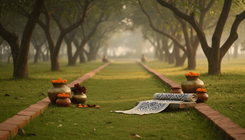
Ayurveda recommends walking after meals as one of the simplest ways to support digestion and overall wellbeing. This tradition, known as shatapavali or the hundred-step walk, is not about strenuous exercise but about gentle movement that helps your body process food more efficiently. Understanding this practice can help you get more from what you eat.



How Shatapavali Supports Digestion
Walking after meals aids digestion by stimulating your digestive fire, or agni. When you eat, your body needs to generate heat and energy to break down food. A gentle walk encourages this natural process without taxing your system. The movement helps food move through your digestive tract at a steady pace, preventing the heaviness that comes when you sit or lie down immediately after eating.
Ayurveda teaches that digestion happens in stages, and shatapavali supports each one. The physical motion of walking massages your internal organs, especially your stomach and intestines. This mechanical stimulus encourages the secretion of digestive enzymes and supports the movement of food through your system. Unlike vigorous exercise, which can pull blood away from digestion, a calm walk directs energy where it is needed.
The practice also helps prevent ama, the sticky digestive residue that Ayurveda identifies as a root cause of disease. When food sits undigested, it ferments and creates ama. A short walk after eating keeps digestion moving forward, minimising the chance that undigested food will accumulate.
The Timing and Distance
The ideal time to begin your walk is a few minutes after you finish eating, once your body has begun its initial digestive work. This is not the time for immediate activity. Most Ayurvedic sources suggest walking for the time it takes to cover one hundred paces, which is roughly a hundred steps—hence the name shatapavali. For most people, this takes about two to five minutes, depending on walking speed and stride length.
The distance matters less than the consistency of the practice. Walking a hundred steps is enough to activate your digestion without causing digestive strain. If a hundred steps feels too much, begin with what feels natural. The goal is gentle, sustained movement, not distance covered. A slower pace is better than a faster one.
The direction you walk also matters in some traditions. Walking towards the east or north is preferred in Ayurvedic texts, as these directions are considered supportive to health. However, if you cannot walk in these directions, walking in any direction is better than not walking at all. The key is the movement itself.
What to Avoid While Walking
Shatapavali works best when you walk alone and in silence, or with very light conversation. Loud talking or animated discussion can disturb your digestion by pulling your attention away from the digestive process and affecting your breath. Your breath should remain calm and natural during the walk.
Do not rush or power-walk after a meal. The intention is not cardiovascular exercise but gentle, mindful movement. If you find yourself breathing hard or feeling strained, you are walking too fast. Slow down and let your breath flow easily. The Ayurvedic principle is that overexertion after eating can impair digestion rather than help it.
Avoid exposure to strong wind or extreme cold during your walk, especially if you have a sensitive constitution or are prone to vata imbalance. These environmental factors can disrupt your digestive fire. In very hot weather, a shaded walk is preferable to direct sun.
It is also wise to avoid walking immediately after a very heavy meal or after eating foods that are hard to digest. In these cases, waiting a few minutes longer before you begin is acceptable. Your body will signal when it is ready for movement.
Shatapavali for Different Body Types
Ayurveda recognises three main constitutional types—vata, pitta and kapha—and shatapavali benefits each one, though the practice may need small adjustments. People with a vata constitution, which tends toward dryness and movement, benefit from the grounding effect of a slow, gentle walk. This calms the scattered energy vata often experiences after eating.
Those with a pitta constitution, characterised by heat and intensity, find that a calm walk after meals helps cool the digestive fire without suppressing it. The steadiness of the practice balances pitta's tendency toward excess.
Kapha types, who often experience sluggish digestion and heaviness, benefit most directly from shatapavali. The movement stimulates their naturally slower digestion and helps prevent the food stagnation they are prone to. A slightly brisker walk, though still gentle, may serve them well.
In practice, everyone benefits from tuning the walk to their own constitution. A vata person might walk slowly in a calm, focused way. A pitta person might choose a cooler environment or a slightly longer distance. A kapha person might increase the pace slightly while remaining mindful. The principle remains the same: gentle, sustained movement after eating.
Fitting Shatapavali Into Daily Life
You do not need special conditions to practise shatapavali. After lunch or dinner, simply stand and walk. This can be around your home, your workplace, a courtyard or a nearby street. The walk can become part of your daily rhythm, as natural as clearing your plate.
The benefits build over time. If you make shatapavali a regular practice, you will likely notice improved digestion, less bloating after meals, and a lighter feeling overall. Many people also find that a walk after eating gives them a moment of quiet in a busy day, a small pause for mindfulness.
If you travel or eat outside your home, the practice remains accessible. A gentle walk after a restaurant meal or a meal eaten while travelling serves the same purpose as one at home. The simplicity of shatapavali is part of its power: it requires nothing but your willingness to move gently.
This ancient practice offers modern benefit. In a time when many of us eat quickly and then return immediately to work or rest, a few minutes of quiet walking after a meal is a gift to your digestion and your wellbeing.
Shatapavali: The Hundred-Step Walk After Meals
- Wait a few minutes After finishing your meal, sit calmly for a moment. This gives your digestive system time to begin its initial work before you move.
- Stand and begin walking Rise slowly and begin walking at a natural, unhurried pace. Your breathing should feel easy and your steps should be measured rather than quick.
- Walk for one hundred steps Count approximately one hundred steps, or walk for about two to five minutes. If counting feels mechanical, simply walk for as long as it takes to feel gently settled and ready to continue your day.
- Walk in silence or light company Keep conversation minimal and calm. Avoid loud talking or animated discussion, as these can disturb your focus and digestion.
- Let your breath flow naturally Do not deliberately change your breathing. If you notice you are breathing hard, slow your pace. Your breath should remain calm throughout the walk.
Common questions
How many steps should I walk after eating?
Traditionally, shatapavali recommends one hundred steps, which takes most people two to five minutes depending on stride length and pace. If a hundred steps feels like too much, start with what feels comfortable; the consistency of the practice matters more than reaching an exact number.
Can I do shatapavali after every meal?
Yes, Ayurveda recommends the practice after both lunch and dinner. After breakfast, a short walk is also beneficial, though some traditions suggest waiting if breakfast is very light. The key is listening to your body and not walking if you feel unwell or overly full.
What if I cannot walk outside after eating?
You can walk indoors around your home or workplace. A walk around your living room or office, or up and down a corridor, serves the same purpose. The movement itself is what supports digestion, not the location where you walk.

Related Articles


