
Shami Puja and Apta Leaves on Dussehra: The Quieter Victory
Leafy Blessings of Triumph and Renewal

Abhilash Ramakrishna
19 Nov 2026 • 7min
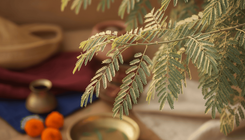
On Vijayadashami, the day that celebrates the victory of good over evil, many Hindu households perform shami puja and exchange apta leaves—a practice so rooted in daily devotion that it often goes unnoticed among the larger Dussehra ceremonies. Yet this exchange of green leaves holds its own weight in the festival, marking a personal blessing that moves quietly through communities across central and southern India.



The Shami Tree and Its Significance
The shami tree, also called khejri, is the host tree for these sacred leaves. It grows across dry regions of India and is known for its resilience—a tree that flowers and bears fruit in harsh conditions, thriving where other plants struggle. This hardiness is no accident in the world of Hindu symbolism. The tree's ability to endure drought and poor soil makes it a natural emblem of strength. According to local tradition, the shami tree stood witness to the Mahabharata war itself, and its leaves are believed to carry the blessings of victory and protection that flowed from that ancient battlefield.
In many parts of North and Central India, the shami tree occupies a place of reverence second only to the neem or banyan. Its leaves are small, feathery and silvery-green, quite different from the broad leaves of many other temple trees. During Vijayadashami, these delicate leaves become offerings and blessings both.
The Ritual of Shami Puja
On Dussehra morning, devotees approach a shami tree—whether in a temple courtyard, a neighbor's garden or a sacred grove—and perform a simple puja. The ritual varies from house to house and region to region, but its heart is consistent: offerings of water, flowers and incense, prayers for courage and success, and the plucking of a few leaves to carry home. The puja acknowledges the tree as a manifestation of divine strength.
Some households offer coconut, jaggery or grain at the base of the tree. Others recite mantras or bhajans focused on victory and protection. The tree itself is treated as a guest and a blessing-giver; people bow to it as they might to a deity's idol. Once the puja concludes, devotees take home a small handful of leaves. These are not gathered hastily. They are selected with intention, sometimes paired with other auspicious items like pomegranate seeds or new grain.
Apta Leaves: A Gift of Blessing
The apta leaves—the word apta means "deserving" or "worthy" in Sanskrit—carry a specific promise. When given from one person to another, they symbolize a wish for prosperity, victory and the strength to overcome obstacles. The exchange happens within families and among friends and neighbors, often on the morning of Vijayadashami or in the days immediately following.
A person might receive apta leaves accompanied by simple words: "May you be blessed with strength and success." Children are often given leaves by their elders. In some communities, employees receive them from their employers, and neighbors exchange them as mutual blessings. The leaves need no elaborate gift-wrapping or ceremony; their significance lies in the intention behind them.
Once received, the leaves are typically placed in a small corner of the household altar, kept in a pooja room, or tucked into a wallet or purse as a talisman. Some families dry them and preserve them for the year. Others keep them only for a few days before allowing them to dry naturally and return to the earth. There is no universal rule—the practice bends to household custom and region.
Regional Variations and Local Practice
In Maharashtra and parts of Karnataka, the shami tree holds particular importance, and the exchange of apta leaves is woven into neighborhood traditions. Dussehra celebrations in these regions often include collective visits to shami trees, with groups gathering to offer prayers and collect leaves together. The practice has a social warmth to it; it is not only a personal devotion but a moment of connection.
In Gujarat, where Vijayadashami marks the end of Navratri, shami leaves are sometimes combined with other seasonal gifts like new grain or coconut. In Tamil Nadu, where the festival is called Dasara, the leaves hold a similar role but may be integrated with other local customs around worshipping tulsi plants or exchanging sugarcane.
In some urban areas where access to a shami tree is limited, devotees visit temples where the tree is planted in the grounds, or they purchase leaves from flower vendors or temple stalls. The blessing remains valid; what matters is the recognition of the tree's significance and the intentionality of the exchange.
Why Leaves Matter in Hindu Ritual
Across Hindu practice, leaves are not incidental. They appear in pujas, in offerings, in tilak preparations and in herbal remedies rooted in Ayurveda. A leaf represents growth, renewal and the vital green that sustains life. In the context of Dussehra, when the theme is victory and new beginnings, leaves become a fitting medium for blessing.
The shami leaf, specifically, carries layers of meaning. It is humble enough to grow in difficult soil, yet precious enough to be sought during one of the year's great festivals. To carry a shami leaf home is to carry a reminder that strength comes not from softness alone but from the ability to endure, to flourish despite conditions, to remain rooted and resilient.
Bringing the Practice Into Your Observance
If you wish to include shami puja in your Dussehra, the entry point is simply approaching a tree with respect. A small offering of water and flowers, a moment of quiet prayer, and the collection of a few leaves is enough. There is no need for elaborate ritual or specialist knowledge. The practice is designed for ordinary devotion.
If you live where a shami tree is not accessible, you might plant one if space and climate allow, or visit a temple where one grows. If neither is possible, receiving apta leaves from someone who has performed the puja carries the same blessing. The exchange is the point: the recognition that on Dussehra, we share wishes for each other's strength and success, and we mark that sharing with something alive and growing.
Perform Shami Puja on Dussehra
- Approach the shami tree respectfully Find a shami tree at a temple, grove or neighbor's garden. Move toward it mindfully, thinking of your intention for strength and victory.
- Offer water and flowers Pour water at the base of the tree and place flowers on its branches or at its root. You may add a small amount of grain, coconut or jaggery if you have them.
- Recite a prayer or bhajan Speak a prayer for courage and protection, or recite a devotional song if you know one. Even a few quiet moments of gratitude are enough.
- Bow to the tree Bend forward respectfully, acknowledging the tree as a source of blessings and a manifestation of divine strength.
- Gather apta leaves with intention Carefully pluck a small handful of the silvery-green leaves from the tree, holding them gently. Take only what you need.
- Carry them home Hold the leaves carefully and bring them to your home. Place them on your altar, in a pooja room, or in a special place where they will be honored.
Common questions
Where can I find a shami tree to perform puja on Dussehra?
Many temples have shami trees planted in their courtyards or grounds. You can also check local parks, heritage groves, or ask neighbors if they have a shami tree on their property. In urban areas where access is limited, flower vendors near temples often sell apta leaves during Dussehra, and receiving these from someone who has visited a tree carries the same blessing.
Is there a specific way to keep apta leaves after receiving them?
There is no single prescribed method. Some families keep them on the household altar or pooja room, dried and preserved throughout the year as a talisman. Others keep them in a wallet or small container. You may also let them dry naturally over a few days and allow them to return to the earth. The practice varies by region and household custom.
Can I perform shami puja without elaborate rituals or special knowledge?
Yes. A simple approach with water, flowers and quiet prayer is sufficient. Bow respectfully to the tree, offer your intention for strength and success, collect a few leaves with intention, and carry them home. The practice is designed for ordinary devotion and needs no special training or complex ceremony.

Related Articles


