
Rudraksha meaning: The Sacred Bead of Shiva Devotees
Tears of the Divine, Worn in Devotion

Sunil Chaurasia
11 Nov 2026 • 7min
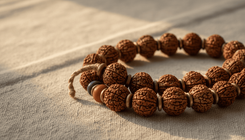
A rudraksha is a sacred bead used by devotees in meditation, prayer and daily practice across Hindu and Buddhist traditions. The meaning of rudraksha runs deep: its name comes from "Rudra," a fierce form of Shiva, and "aksha," meaning eye—so it translates as "the eye of Shiva." Wearing or using rudraksha beads is believed to connect you to Shiva's protective and transformative power, and to help stabilize the mind during spiritual practice.



The Origin Legend
The most widely told story of the rudraksha's birth appears in the Shiva Purana. According to this account, Shiva sat in deep meditation for many thousands of years, focused on the welfare of all beings. When he opened his eyes and returned to the world, tears of compassion and joy flowed from them. These tears fell to the earth and grew into the rudraksha tree. In this way, the bead carries the direct blessing of Shiva's inner stillness and his care for creation. The legend reminds practitioners that using rudraksha is not merely symbolic—it is understood as a tangible link to divine grace.
What Mukhi Means and Why It Matters
The word "mukhi" means face or facet. Rudraksha beads are classified by the number of natural lines, or mukhi, running along their surface, and each number carries different spiritual qualities and uses. A 1-mukhi rudraksha is said to embody Shiva himself and is the rarest and most sought after. A 5-mukhi, the most common and affordable, is associated with the five aspects of Shiva and is used widely in daily practice and meditation. A 6-mukhi is linked to Kartikeya, Shiva's son, and is believed to support learning and clarity. An 8-mukhi is connected to Lord Ganesha, remover of obstacles.
Each mukhi has its own mantra and purpose. A 2-mukhi is for devotional connection between Shiva and Shakti; a 3-mukhi is for Mars and confidence; a 4-mukhi supports education and communication. The number goes up to 21-mukhi, though beads with many facets are rare and expensive. Rather than collecting all of them, most practitioners choose one or a few that resonate with their spiritual needs or are recommended by a guru or experienced guide. The mukhi number is a practical tool: it helps you select the right bead for your specific intention.
Wearing Rudraksha with Care
Wearing rudraksha is not merely about draping a string of beads. The practice comes with guidelines that are meant to deepen your connection and keep the bead's energy intact. Rudraksha should be worn clean; many practitioners wash their mala or necklace regularly and keep it on their body or altar. It is customary to avoid wearing rudraksha during certain activities—some traditions advise removing it during sleep, bathing or intimate moments, or when entering a space where the atmosphere is chaotic or inauspicious. The underlying idea is that rudraksha absorbs the energy of your environment and your state of mind, so treating it with respect honours both the bead and your practice.
Many wearers perform a simple ritual to activate rudraksha before first use: holding the mala or bead in both hands, they may chant "Om Namah Shivaya" or another Shiva mantra, setting their intention clearly. This practice is believed to awaken the bead's inherent qualities and align it with your spiritual path. Some traditions also anoint the rudraksha with oil or ghee and place it on a Shiva yantra or image to receive blessings. Regional customs vary: in parts of South India, ritual activation by a priest is common, while in other areas, simple home practice is enough.
Who Wears Rudraksha and Why
Rudraksha is worn most often by those devoted to Shiva—monks, yogis, householders in meditation practice, and people seeking Shiva's blessings during difficult times. However, its use extends beyond Shaivism. Many Buddhists, especially Tibetan practitioners, use rudraksha in their practice because the bead is believed to calm the mind and support concentration. In Nepal, where rudraksha trees grow naturally, wearing rudraksha is deeply woven into daily life across religious communities.
You do not need to be initiated into any particular order to wear rudraksha. It is an accessible practice for anyone with genuine devotion and respect for its sacred meaning. Many people wear a simple 5-mukhi rudraksha mala or necklace without formal ritual, and experience its steadying influence over time. Others work with a guru who guides them toward the right bead for their practice. The key is sincerity: the bead responds to attention and intention, not to status or external show.
Caring for Your Rudraksha
Rudraksha beads are seeds, and like all natural materials, they need basic care to last. Exposure to extreme heat, cold or dryness can cause them to crack or split. If your rudraksha mala or necklace becomes damp, allow it to air-dry away from direct sun; never use artificial heat. The beads also benefit from occasional oiling—a light coat of coconut oil or sesame oil keeps them supple. Each year, or whenever the string shows signs of wear, you can have the mala restrung by someone familiar with the practice.
Many practitioners keep their rudraksha mala in a clean cloth or silk bag when not wearing it, storing it on their altar or in a sacred space. This protects the beads physically and maintains the sacredness of the object. When traveling, wrapping it respectfully in cloth keeps it safe and reminds you of your practice even away from home. These simple acts of care are themselves a form of devotion and strengthen your connection to the practice over time.
The Inner Experience
The most important measure of rudraksha's value is not cost or rarity, but how it supports your practice. Users often report that wearing or holding rudraksha helps settle mental chatter and deepen meditation. The repetitive motion of moving the beads through your fingers while chanting a mantra—a practice called japa—creates a rhythm that both focuses the mind and releases nervous tension. Many people find that after wearing rudraksha for months or years, they notice shifts in how they respond to stress, an increased sense of calm, and a felt sense of protection or witnessing presence.
This is not magic, but it is real. The bead becomes a physical anchor for your intention and a reminder of your connection to something larger than your daily concerns. When you touch it, you remember Shiva, stillness, and the deeper truth beneath the surface of things. Over time, this small act of remembrance reshapes how you move through the world.
Common questions
How many mukhi should I wear?
The 5-mukhi rudraksha is most common and suitable for daily practice and meditation. Choose based on your spiritual goal: 1-mukhi for deepest Shiva connection (rare and expensive), 2-mukhi for devotion, 3-mukhi for strength, 6-mukhi for learning. A guru or experienced practitioner can guide you toward what serves your path best.
Can I wear rudraksha while sleeping or bathing?
Many traditions advise removing rudraksha during sleep, bathing and intimate moments to preserve its energy, though practices vary by sampradaya and region. Some practitioners keep their mala on at all times. The underlying principle is that rudraksha absorbs your state of mind and environment, so treat it respectfully based on your tradition's guidance.
What mantra should I chant with rudraksha?
Om Namah Shivaya is the most widely used mantra with rudraksha, especially the 5-mukhi. Each mukhi number has its own associated mantra: the 1-mukhi uses Om Hreem, the 2-mukhi uses Om Namah, and so on. If you have a guru, they may give you a specific mantra suited to your practice.

Related Articles


