Prabodhini Ekadashi 2026: Why Chaturmas Ends With Vishnu's Awakening
When the Four Months End

Sunil Chaurasia
23 Oct 2026 • 6min
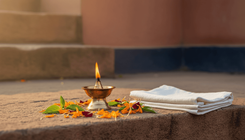
Prabodhini Ekadashi marks the end of Chaturmas, the four-month period of spiritual intensity that runs through the Hindu calendar's monsoon season. Also called Devutthan Ekadashi, it is the day when Vishnu is said to awaken from yogic sleep and resume his active presence in the world. For many devotees, this awakening brings relief and celebration, because Chaturmas has imposed restrictions—no auspicious ceremonies, no marriages, no new enterprises. Now those permissions return. The awakening is not a return to ordinary life, though; it is a transition marked by ritual, gratitude and renewed engagement with practice.



The Four Months of Withdrawal
Chaturmas begins with Ashadhi Ekadashi (the eleventh lunar day in the month of Ashadh, roughly June) and runs until Prabodhini Ekadashi arrives four months later. During these months, Vishnu is understood to be in yogic sleep, resting and restoring the cosmos. This is not sleep as humans know it; it is a state of profound meditation and inner work. The idea behind Chaturmas is not that the world is abandoned, but that spiritual energy is turned inward. The deity is unavailable for new worldly projects, so devotees pause too.
The four months align with India's monsoon season, when travel is difficult and agricultural work follows its own rhythm. The tradition builds the calendar around natural rhythms as much as spiritual ones. Chaturmas is observed across many regions, though the specific restrictions vary. In some areas, devotees fast or observe silence more strictly. In others, the observance is lighter—a awareness rather than a complete restriction. The common thread is that people treat these months as a season of caution and interiority. New ventures can wait. Celebrations can wait.
Prabodhini Ekadashi and the End of Restraint
When Prabodhini Ekadashi arrives, the atmosphere shifts. Vishnu's sleep ends. The restrictions that governed Chaturmas lift, and the energy of the world turns outward again. Weddings scheduled for months ahead can now be confirmed. Building projects can begin. Businesses can take on new ventures. Temples that have avoided elaborate ceremonies during Chaturmas resume their full calendar.
The name Prabodhini comes from Bodh, meaning awakening. Some traditions call it Devutthan Ekadashi—"awakening" or "rising up" of the deity. The word carries both the literal sense of waking and the spiritual sense of illumination or enlightenment. Vishnu's awakening is an auspicious moment, and many devotees mark it with offerings, prayers and pilgrimages. The lifting of restrictions is not arbitrary; it flows from the deity's return to active presence.
For many households, Prabodhini Ekadashi is a day of simple observance: an Ekadashi fast, a visit to the temple, perhaps a reading of the Bhagavata Purana or another text that recounts Vishnu's rest and awakening. Some regions have special customs—in parts of North India, celebrations called Devotthan puja are performed to formally awaken the deity. In South India, the festival often coincides with local traditions and celebrations tied to harvest or the end of the monsoon.
Why This Rhythm Matters
The cycle of Chaturmas and Prabodhini Ekadashi teaches something about rhythms of work and rest, outward action and inner focus. For four months, the tradition says: pause your grands plans, tend to your spiritual life, be patient. Then, at the appointed moment, the world reopens. This is not arbitrary mysticism; it is an ancient way of organising time and energy.
Modern life often erases such rhythms. We expect ourselves to be equally productive, equally available, equally goal-driven throughout the year. The Chaturmas cycle offers a counter-rhythm. It says that seasons of restraint and seasons of action are both necessary. It says that waiting is sometimes wiser than pushing ahead. For a practitioner, observing Chaturmas means entering into a tradition that stretches back centuries, and Prabodhini Ekadashi is the permission slip that releases you back into the world—but a world you have been waiting for, and a self that has been tended during the wait.
The Ritual of Awakening
On Prabodhini Ekadashi, the essential practice is the Ekadashi fast, which most Hindus observe regardless of which Ekadashi it is. The fast is typically broken the next morning, after sunrise. Some devotees perform a ritual bath and an Ekadashi puja at home or at a temple. In temples dedicated to Vishnu, the day is often marked with special arati (waving of lamps) and the distribution of prasad (blessed food). The rituals are not elaborate; they are an acknowledgement and a welcome.
The deeper practice during Prabodhini Ekadashi is one of gratitude and renewed intention. Devotees reflect on the four months just passed: what they learned, what they needed to pause, where their practice deepened. Then they turn to the months ahead with a sense of fresh purpose. Some make resolutions or commitments for the new season. Others simply sit with the awareness that life has natural seasons, and that wisdom lies in moving with them rather than against them.
Observing Prabodhini Ekadashi Today
Whether you follow Chaturmas strictly or lightly, Prabodhini Ekadashi offers a practical marker in the year: a moment to ask yourself where you are, and what you need next. If you have been fasting during Chaturmas, the fast on Prabodhini Ekadashi completes the cycle. If you have been avoiding ceremonies, now you can plan them. If you have been working on a spiritual practice in privacy, now you can share it or expand it.
The date of Prabodhini Ekadashi shifts slightly each year because it is determined by the lunar calendar. It falls in the month of Kartik (October–November), on the eleventh lunar day of the bright fortnight. Checking your local panchanga (Hindu calendar) will tell you the exact date for this year.
The essence is simple: mark the day with a fast if you can, visit a temple if you can, and sit for a moment with the thought that seasons change, restraint and release take turns, and there is wisdom in following the rhythm rather than fighting it.
Common questions
What date is Prabodhini Ekadashi in 2026?
Prabodhini Ekadashi falls on the eleventh lunar day of the bright fortnight in Kartik (October–November). Consult your local panchanga for the exact date in 2026, as lunar dates shift each year.
Can I marry or start a new venture during Chaturmas?
No, most Hindu traditions avoid auspicious ceremonies and new enterprises during Chaturmas. This restriction lifts when Prabodhini Ekadashi arrives; from that point, weddings and new ventures can proceed.
Do I have to fast on Prabodhini Ekadashi?
Fasting on Ekadashi is a common practice, but it is not mandatory. The day can be honoured with a temple visit, prayers, or simply being aware of the transition. Those unable to fast fully can eat once and avoid meat and grains.

Related Articles