
Pausha Putrada Ekadashi 2027: Why This Vishnu Vrat Matters
A son-blessing fast for devoted mothers and families

Abhilash Ramakrishna
29 Oct 2026 • 8min
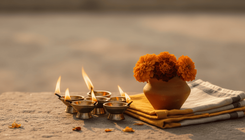
Pausha Putrada Ekadashi is a significant Vishnu vrat observed by Hindu families, particularly mothers seeking the blessing of children. The fast falls on the eleventh day of the waning moon during the month of Pausha (December-January by the Gregorian calendar). The word Putrada means "son-giving," reflecting the primary purpose of this observance: to invoke Lord Vishnu's grace for progeny and healthy children.
The fast is considered auspicious for those without children and for families desiring male offspring, though it has evolved to serve the broader aim of blessing any child. By observing Pausha Putrada Ekadashi with devotion and discipline, practitioners believe they attract Vishnu's compassion and remove obstacles to conception and healthy childbirth.



The Story Behind Pausha Putrada Ekadashi
The significance of Pausha Putrada Ekadashi is rooted in Hindu mythology. According to the Padma Purana, a married couple once faced the sorrow of childlessness. Despite their wealth and status, they remained without children and felt their lives incomplete. Learning of an old sage's presence in their region, they approached him for guidance. The sage advised them to observe a strict fast on Pausha Putrada Ekadashi, dedicating their devotion to Lord Vishnu with sincere intention.
Following the sage's instruction with wholehearted faith, the couple observed the vrat with discipline and prayer. Pleased by their devotion and penance, Lord Vishnu blessed them with a son. This story established the vrat's reputation as a direct path to overcoming childlessness. Over centuries, the practice spread across Hindu communities, becoming a cornerstone observance in the Vaishnavite tradition.
The narrative also teaches that Ekadashi fasts are particularly potent because they align with natural cycles of spiritual energy. The eleventh lunar day is believed to be a time when the veil between the material and divine worlds grows thin, making prayers and vows more likely to be answered.
Why Ekadashi Fasting Holds Spiritual Power
Ekadashi is sacred in Vaishnavite practice because it honours the day when Lord Vishnu defeated the demon Muradhasura. By fasting on this day, devotees commemorate the cosmic victory of order over chaos and invite that same sacred energy into their lives. The discipline of fasting quiets the body and mind, allowing deeper concentration on prayer and intention.
Fasting on Ekadashi is understood as an act of penance and self-purification. By abstaining from food (or eating lightly, depending on one's capacity), the practitioner reduces the demands placed on the digestive system and redirects that energy toward spiritual practices. This cleansing effect is believed to make the person more receptive to divine grace. The fast is not merely an absence of food but a presence of heightened awareness and devotion.
The timing of Pausha Putrada Ekadashi carries additional significance. Pausha is the month when the sun is at its southernmost point, marking a period of introspection and spiritual renewal in the Hindu calendar. Observing the fast during this month aligns the practitioner's efforts with the season's natural rhythm, amplifying the fast's efficacy.
Who Observes Pausha Putrada Ekadashi and How
Pausha Putrada Ekadashi is observed primarily by married couples seeking children, though mothers facing difficulty in conception or child-rearing often undertake the fast with particular devotion. Grandmothers and other family members sometimes observe the vrat on behalf of childless younger women in the family. The observance crosses regional and linguistic boundaries, though it is most prominent in North India, particularly among Vaishnavite communities.
The traditional method of observing Pausha Putrada Ekadashi involves fasting from sunrise to sunrise the following day. Some practitioners observe a complete fast (nirjala vrat), consuming nothing but water; others follow a modified fast, eating light foods such as fruit, milk, or roots. The choice depends on individual capacity and family custom. Before sunrise, the observant person bathes and wears clean clothes, then worships Lord Vishnu with flowers, incense, and prayers.
Throughout the day, the devotee may recite Vishnu mantras such as the Mahamantra or the Vishnu Sahasranama (the thousand names of Vishnu). Some families gather for puja in the evening, singing devotional songs together. If possible, a visit to a Vishnu temple strengthens the spiritual intention of the fast. The fast concludes the following day after sunrise, when the observer eats prasad (blessed food) offered to Vishnu, often simple dishes prepared with devotion.
Regional practices vary. In some communities, the fast begins on the Ekadashi day itself; in others, the eve of Ekadashi is observed. Some families prepare special sweets to offer to Vishnu before breaking the fast, while others keep the offering simple. The specifics matter less than the consistency of intention and the sincerity of devotion.
The Inner Meaning of the Vrat
Beyond its literal purpose of blessing children, Pausha Putrada Ekadashi carries spiritual lessons for all practitioners. The desire for children is understood in the Hindu tradition as a natural human impulse reflecting the human wish to create, nurture, and pass on wisdom. By fasting on this day, one affirms the value of this wish while also surrendering the outcome to divine will.
The vrat teaches discipline, patience, and faith. It reinforces the principle that spiritual blessings come not through force or demand but through sincere intention and sustained practice. The fast creates a space of quiet between the devotee and the divine, clearing away the noise of daily life so that deeper communication can occur.
For those blessed with children, observing Pausha Putrada Ekadashi can become an annual gratitude ritual, an opportunity to reflect on the gift of parenthood and recommit to the values of care and responsibility. For those still waiting, the vrat becomes an act of hope and persistence, a reminder that their longing is heard and honoured in the divine realm.
Making Pausha Putrada Ekadashi Your Own
If you are drawn to observe Pausha Putrada Ekadashi, begin by learning the exact lunar date in the year you intend to fast. Because the Hindu calendar is lunar, the date shifts each year by the Gregorian calendar; you can find it through a reliable panchanga (Hindu almanac) or a temple near you. Set a clear intention before the fast begins, whether your wish is for children, family health, or spiritual growth.
Approach the fast with gentleness and realism. Fasting is powerful but not necessary for devotion to be sincere. If a full fast would compromise your health or daily responsibilities, observe a partial fast instead. What matters is your presence of mind and heart during the observance. If you are uncertain about how to proceed, speak with an elder in your family or a guide at a local temple; they can offer practical advice and spiritual support rooted in living tradition.
After observing the vrat, maintain the spirit of intention in your daily life. The fast is not a magic transaction but an opening—a chance to align yourself with a deeper part of yourself and the sacred order of the universe. Patience, faith, and the ordinary disciplines of a good life remain essential.
How to Observe Pausha Putrada Ekadashi
- Know the date Find the exact date of Pausha Putrada Ekadashi for the year you plan to fast using a panchanga or local Hindu temple, as it changes each year according to the lunar calendar.
- Set your intention Before the fast day, clarify your purpose—whether seeking children, family health, or spiritual growth—and hold this intention in your mind and heart.
- Bathe and prepare On the morning of Ekadashi, bathe early, wear clean clothes, and prepare a space for worship with flowers, incense, and an image or lamp representing Lord Vishnu.
- Fast according to your capacity Observe a complete fast (eating nothing), a partial fast (eating fruit or milk), or a modified fast (eating only sattvic foods) depending on your health and capacity.
- Worship and pray Spend time in worship, reciting Vishnu mantras, singing devotional songs, or meditating. If possible, visit a temple to strengthen your practice.
- Break the fast respectfully After sunrise the next day, break your fast with prasad or simple vegetarian food. Maintain sattvic eating and behaviour for the day following the fast if possible.
Common questions
Can women observe Pausha Putrada Ekadashi if they already have children?
Yes. While the vrat is traditionally undertaken for those seeking children, many families observe it annually as a gratitude ritual and blessing for the health and wellbeing of existing children. The fast has evolved to serve the broader purpose of family welfare beyond conception alone.
What should I eat when breaking the fast after Pausha Putrada Ekadashi?
You can eat any vegetarian food prepared with good intention. Many people break the fast with prasad such as khichdi, fruit, milk, or sweets offered to Vishnu. Avoid non-vegetarian food, onion, and garlic on the day of the fast and, ideally, for the day after as well.
Does Pausha Putrada Ekadashi have a fixed Gregorian calendar date?
No. Because it falls on the eleventh lunar day of Pausha (the Hindu month), the date shifts each year by the Gregorian calendar, typically falling sometime between mid-December and mid-January. Consult a panchanga or local temple to find the exact date for the year you wish to observe.

Related Articles


