
Panchamrit Ingredients: The Five Sacred Elements of This Puja Offering
Five essences, one sacred taste

Sunil Chaurasia
16 Nov 2026 • 6min
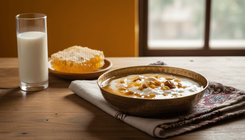
Panchamrit is the blessed mixture of five ingredients offered to deities during puja and then distributed as prasad—sanctified food returned to worshippers. The name comes from pancha (five) and amrit (nectar), and each ingredient carries both practical and spiritual meaning in Hindu ritual.
The five ingredients of panchamrit are milk, yogurt, ghee, honey and jaggery. These are always mixed together in the same order: milk first as the base, then yogurt, then ghee, then honey, and finally jaggery. Some households use sugar in place of jaggery, though jaggery is traditional. The mixture is prepared fresh before each puja and is meant to be consumed the same day.



The Five Ingredients and Their Meanings
Milk represents purity and is the foundation of the mixture. In Hindu tradition, the cow is sacred, and milk is considered one of the most auspicious offerings to deity. It also symbolizes the nourishment that comes from spiritual practice.
Yogurt adds a cooling quality and represents the digestive and transformative power of bacteria that breaks down milk. Spiritually, yogurt suggests the transformation that comes through devotion—taking what is basic and turning it into something richer.
Ghee is clarified butter, made by simmering milk fat until all water evaporates and the milk solids settle. It is used in almost every Hindu ritual, burned in lamps, and poured over offerings. Ghee represents illumination, preservation and the highest form of nourishment.
Honey brings sweetness and is believed to aid digestion, reduce inflammation and strengthen immunity. In ritual, honey represents the sweetness of divine grace and the rewards of spiritual practice. Honey also has antiseptic properties and was used in ancient Ayurvedic medicine as a carrier for other medicines.
Jaggery is unrefined cane sugar made by reducing sugarcane juice. Unlike refined sugar, it retains molasses and minerals. Jaggery is warming, energizing and considered easier to digest than white sugar. It completes the taste profile of panchamrit and adds warmth to balance the cooling qualities of yogurt.
Together, these five ingredients create a balance of temperatures, tastes and qualities. The warm ghee and jaggery balance the cool milk and yogurt, while the honey brings sweetness and aids absorption.
How Panchamrit Is Prepared
To make panchamrit, pour milk into a clean bowl. Add yogurt and stir well to combine. Pour in a small amount of ghee—roughly a teaspoon per cup of milk—and stir again. Add a teaspoon of honey per cup of milk, stirring gently so the honey mixes through without becoming granular. Finally, add jaggery by crumbling it into the mixture and stirring until it dissolves.
The proportions can vary slightly by family tradition and availability, but the order of mixing is important. The milk is the base, and each ingredient is added in sequence to ensure even distribution. The final mixture should be smooth, golden and sweet.
Some households add a small pinch of cardamom powder or a few crushed cardamom seeds for fragrance, though this is optional. A few households in South India add a drop of sesame oil or coconut oil, but the core five ingredients remain central to the ritual.
Panchamrit should be prepared just before the puja begins, using fresh, clean ingredients. If milk is not available, some households substitute coconut milk or almond milk, but cow's milk is preferred. If honey is not available due to allergy or restriction, some adjust the sweetness with jaggery alone, though honey is traditional.
Using Panchamrit in Puja
During puja, panchamrit is offered to the deity by pouring or spooning a small amount over the idol or image as part of the worship sequence. This typically happens after bathing the deity with water or other offerings. The act of offering panchamrit is called naivedya when it is a food offering, though panchamrit sits between a liquid offering and food.
After the deity has been offered panchamrit, the remaining mixture is distributed to worshippers as prasad. Receiving prasad is understood as receiving the deity's blessing, and panchamrit prasad is particularly valued because of its nourishing ingredients and sacred preparation.
Panchamrit is offered during regular household puja, temple worship, and special occasions like naming ceremonies, marriages and festivals. It is especially common during worship of Shiva, Ganesha and other deities, though it is used across different sampradaya (traditions) of Hindu practice.
Some households offer panchamrit to tulsi, the sacred basil plant, or pour a small amount at the base of a tulsi plant as part of daily practice. Others offer it at the beginning or end of meditation and chanting.
Panchamrit Across Regions and Traditions
The basic five ingredients remain consistent across India, but regional variations exist. In Maharashtra and parts of North India, some households add nuts like almonds or coconuts to panchamrit. In Bengal, panchamrit may include a touch of rose water. In South India, the proportions of ingredients may shift slightly based on available resources and family custom.
Different sampradaya (spiritual traditions) place varying emphasis on the ingredients. Shakta traditions, which honor the divine feminine, may emphasize honey as the sweetness of Shakti. Shaiva traditions may emphasize ghee because of its connection to lamp-lighting rituals. Vaishnavite traditions honor all five equally as the nectars of devotion.
If any of the five ingredients is unavailable, most traditions suggest using what can be sourced rather than skipping the offering. The intention and devotion behind the preparation is considered central to the ritual's power.
Why These Five Ingredients Matter
Each ingredient nourishes the body and connects to specific qualities valued in Hindu philosophy. Milk is associated with sattvic (pure, peaceful) food. Yogurt aids digestion and represents transformation. Ghee is the most refined form of milk fat and is used in Ayurvedic medicine. Honey is valued in Ayurveda as a medicine and a sacred food. Jaggery is warming and grounding.
From an Ayurvedic perspective, panchamrit balances vata (movement), pitta (fire) and kapha (structure) doshas. The warm ghee and jaggery balance vata, the cool milk and yogurt balance pitta, and the honey aids overall balance. This is why panchamrit is considered nourishing even as it is sacred.
The five ingredients are also economical and widely available across India, making panchamrit a ritual that any household can perform regardless of means. This accessibility is part of why panchamrit remains one of the most common and beloved ritual offerings in Hindu homes and temples.
Common questions
What is the exact ratio of ingredients in panchamrit?
There is no fixed ratio—proportions vary by family tradition and available resources. A basic guide is one part yogurt, honey and ghee each per four parts milk, with jaggery added to taste. The order of mixing matters more than exact measurements.
Can you make panchamrit without honey or ghee?
Panchamrit should ideally include all five ingredients, but if any is unavailable, most traditions permit using what can be sourced rather than omitting the offering. Some households substitute coconut oil for ghee or adjust jaggery quantities if honey is restricted.
How long can panchamrit keep after it is made?
Panchamrit is best consumed the same day it is prepared and offered. It should be refrigerated if kept longer, though it is traditionally meant to be made fresh for each puja and distributed immediately as prasad.

Related Articles


