
Padmasana, Sukhasana and Siddhasana: Meditation Poses for Yoga
Find your stillness in seated poses built for the mind

Sunil Chaurasia
08 Nov 2026 • 7min
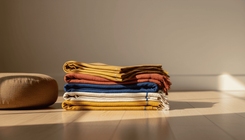
When you sit down to meditate, your body needs to be comfortable enough that you can forget about it and focus on your breath, your mantra or your awareness. Three seated meditation poses yoga—padmasana, sukhasana and siddhasana—have been practised for this purpose for centuries. Each one is built for stillness and length of time. None of them requires the extreme flexibility or strength of standing poses. Learning to sit well is the foundation of your practice.



Sukhasana: The Accessible Beginning
Sukhasana, or the easy pose, is where most people start. Cross your legs in front of you so that one shin is in front of the other, and your knees point outward to the sides. Your feet settle naturally under the opposite knee. From there, keep your spine long, draw your shoulders back and down, and let your hands rest on your knees or in your lap. Sukhasana is called easy because it requires no special flexibility. It is available to most bodies at most times.
The pose feels easy, but that does not mean you should collapse into it. Pressing your sitting bones down into the floor and lengthening your spine upward keeps your chest open and your breathing free. If your knees float high above your hip level, sit on a folded blanket or cushion. This small lift changes the angle of your pelvis and lets your legs relax. After twenty minutes or half an hour, you may find that sukhasana grows tiring. That is when you are ready to explore the other poses, or simply when it is time to stand up and move.
Sukhasana is common in modern yoga classes, but it is also genuinely used in traditional practice. Many people sit in sukhasana for their daily meditation or japa, repeating a mantra, and find it enough for a lifetime.
Padmasana: The Lotus and Its Demands
Padmasana, the lotus pose, appears in many pictures of yogis in meditation. Both feet are folded onto the opposite thigh—not tucked underneath, but resting on top. The soles of the feet point upward. Because both legs are deeply folded, the spine sits upright naturally, and you can hold the pose for a long time without fatigue in the legs. The pose is also stable; your broad base lets you sit very still.
Padmasana demands significant flexibility in the hips. If you try to force yourself into it before your body is ready, you risk injury to your knee. The knee joint is designed to fold and straighten, not to rotate. Never twist your shin inward to make the pose happen. If your foot does not rest comfortably on your thigh, you are not ready for padmasana yet.
To prepare, spend time stretching your hips in other poses: child's pose, pigeon pose, and supported hip openers. Work with one leg folded into half-padmasana first, then the other, before attempting the full pose. Some people's bodies may never comfortably fold into padmasana, and that is completely fine. Sukhasana and siddhasana are no less valuable for meditation.
Siddhasana: The Perfected Pose
Siddhasana is less well known in modern yoga classes, but it holds an important place in classical texts. One heel is placed at the perineum—the space between the anus and the genitals—and the other foot is placed on top of the first thigh. The heel of the upper foot presses gently against the lower belly. Unlike padmasana, siddhasana folds one leg under the other, creating a narrower base and a very upright spine.
The pose requires less hip flexibility than padmasana, though it does ask for some opening. More importantly, siddhasana has an energetic purpose in traditional practice. The heel at the perineum is said to activate and seal energy at the muladhara, the root centre. For this reason, siddhasana is especially valued in pranayama, breathing practices, and in the meditation traditions that work with the energy channels of the body. If you are new to these practices, sukhasana and padmasana will serve you well; siddhasana is something to learn when you are ready.
How to Choose Your Pose
The best meditation pose yoga for you is the one you can sit in comfortably and with a long spine for the length of your practice. If you meditate for five or ten minutes, sukhasana may be plenty. If you sit for half an hour, you may find that you need to shift your legs partway through, and that is normal. Start with sukhasana. Sit with it regularly for weeks or months. When it stops feeling fresh and your hips have opened a little, try half-padmasana on one side, then the other. Only when your hips are genuinely open—and you will feel the difference—should you attempt full padmasana.
None of these poses is a goal or a marker of progress. They are tools. A person who has sat in sukhasana every morning for ten years is not behind someone who reached padmasana in three months. Consistency matters more than complexity. What matters is showing up to your cushion, sitting with an open spine, and keeping your attention where you have placed it.
Props and Comfort
The height of your sitting surface changes everything. When your pelvis tilts forward and your knees drop below hip level, your lower back rounds and your breath shortens. A cushion or folded blanket lifts your hips and lets your spine lengthen. This is not a sign of weakness; it is a sign that you are paying attention to your body.
Some people sit on a meditation cushion called a zafu, which is firm and curved. Others use folded blankets, a yoga block, or even a firm pillow. There is no hierarchy. The point is to be comfortable enough that your mind settles. Cold legs and aching knees keep you distracted. Wear warm socks if you need to. Use a blanket over your lap. Your meditation practice is the priority, not the appearance of the pose.
How to sit in sukhasana for meditation
- Sit on a cushion or folded blanket Sit with your pelvis tilted forward and your sitting bones pressing down into the support. Your knees should be at or below hip height.
- Cross your legs comfortably Bring one shin in front of the other so that both knees point outward. Tuck your feet under the opposite knee or let them rest naturally.
- Lengthen your spine Press your sitting bones down and lift the crown of your head toward the ceiling. Your shoulders roll back and down, and your chest opens.
- Place your hands Rest your hands on your knees, in your lap, or in a mudra if you are working with one. Let your elbows soften and your shoulders stay relaxed.
- Check your alignment Your ears, shoulders and hips should stack in a vertical line. If your spine rounds forward, sit higher on your cushion.
Common questions
Can I meditate in sukhasana or do I need to learn padmasana?
Sukhasana is a complete meditation pose in itself. Many practitioners sit in sukhasana for their entire practice. You only move to padmasana or siddhasana when sukhasana stops feeling adequate and your hips naturally invite deeper folds. There is no requirement to progress to more complex poses.
How long should I be able to sit before trying padmasana?
Wait until you can sit comfortably in sukhasana for twenty to thirty minutes without significant discomfort or restlessness in the hips. This usually takes weeks or months of regular practice. Rushing into padmasana before your hips are open risks injury to your knees.
What should I do if my knees hurt when I sit?
First, sit higher on a cushion or blanket to tilt your pelvis forward and lower your knees. Second, check that you are not twisting your shin or forcing the pose. If pain continues, stick with sukhasana and spend time opening your hips in other poses before returning to a deeper fold.

Related Articles


