
Padmasana: How to Practise the Lotus Pose Safely
Rooted in stillness, steady in strength

Abhilash Ramakrishna
18 Nov 2026 • 8min
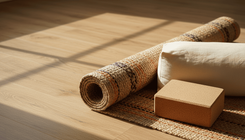
Padmasana, or lotus pose, is one of the most recognisable yoga asanas and a traditional seat for meditation. Though it looks simple, padmasana demands patience and careful preparation. Many people practise for years before their hips open enough for a full lotus without strain. You do not need to rush into the full pose: there are preparatory stages that build flexibility safely, and variations that let you sit comfortably even if a full lotus is not yet within reach.



Why Padmasana Matters in Yoga
Padmasana has been considered a sacred seat for thousands of years. Ancient texts describe it as one of the steadiest postures for pranayama, japa and meditation. The name itself comes from the lotus flower, which symbolises spiritual unfoldment in Hindu tradition. When your hips, knees and ankles are supple enough to fold into padmasana without forcing, the pose creates a stable, grounded foundation. Your spine can lengthen naturally, your shoulders relax, and your mind settles. Many people find that padmasana, more than other sitting poses, keeps them alert yet calm during long meditation practice.
That said, padmasana is not the only valid meditation seat. Siddhasana, sukhasana, and simple cross-legged positions serve just as well for most people. The goal is a posture that allows your spine to be upright and your body relaxed for the duration of your practice. If padmasana causes any sharp pain in your knees or lower back, there is no benefit to forcing it.
The Risk of Pushing Too Hard
The knees and hips are complex joints with strict limits. Lotus pose demands extreme outward rotation of the hip joint and deep flexion at the knee. If your body is not yet ready, forcing padmasana can pinch the cartilage inside your knee or strain the ligaments that stabilise it. Some people injure themselves in padmasana and do not realise it until pain becomes chronic months later.
The signs of forcing are immediate: sharp pain inside the knee, pain on the inner thigh or groin, or a feeling of the knee being unstuck or unstable. If you feel any of these sensations, come out of the pose at once. Mild sensation in the hip is normal as you warm up; pain is not. Tight hips can take years to open. This is not a race.
Some anatomical variation is also at work. Hip sockets are not all shaped the same. In some people, the femur (thighbone) is angled differently, making deep hip opening naturally harder. If you have been stretching diligently for years and lotus still feels inaccessible, you may simply have a hip structure where padmasana will never be comfortable. This is not failure. Your body is built the way it is built.
Preparing Your Hips and Knees
The real work happens far from padmasana itself. You need to spend months opening your hips gently through poses that prepare the deep external rotators. Bhairavasana, pigeon pose, cow pose, and thread-the-needle poses all build the stability and range your hips need.
Work on hip openers in a standing position first. Warrior poses, lunge poses and triangle pose wake up the hips and let them warm gradually with weight-bearing. Then move to seated and supine hip openers. After a few months of regular practice, your hips will start to remember what they learned.
Knee preparation matters too. Your knees need to be mobile but also protected. Practice child's pose and knee circles to keep the joint healthy. Squats and lunges strengthen the muscles around your knee, which stabilises the joint during deep folds. Never twist into a lotus from a standing position or bounce in and out of the pose. The knee joint does not enjoy shearing forces.
Step Into Padmasana Gradually
When you feel ready to try padmasana, approach it with intention. First, sit in sukhasana (a simple cross-legged position) and warm your hips with forward folds and gentle twists. Your body temperature and circulation need to be elevated before asking your joints to move into their fullest range.
From sukhasana, try half-lotus first. Fold your right shin across your left thigh, keeping your left foot on the ground. Sit upright and breathe. This alone teaches your hips what the full pose is asking. Stay for several breaths, then switch sides. Practice half-lotus for a few weeks before attempting the full pose.
When you move into the full pose, sit on the edge of a yoga block or cushion to raise your hips slightly. This small height takes enormous pressure off your knees. Bring your right shin across your left thigh as in half-lotus, then lift your left foot up and rest it on your right thigh. Your knees should both point downward, and your weight should settle into your sitting bones. If you feel any edge of discomfort, adjust or release the pose.
Modifications and Variations
If your hips are very tight, place a yoga bolster or blanket under your knees while you sit in half-lotus. You can also practice padmasana with your back against a wall for support. Reclining lotus (supta padmasana) takes pressure off the knees entirely and lets you experience the pose while lying on your back.
Some people find it more comfortable to rest their hands on their thighs, palms down for grounding or palms up for openness. Others prefer to bring the hands into a mudra, such as chin mudra or jnana mudra, for meditation. Your hands should be relaxed, not gripping. If your shoulders hunch toward your ears, you are holding tension somewhere in your body. Let them drop.
If you have injured knees or chronic joint issues, padmasana may never be appropriate for you. Sukhasana, siddhasana, or hero's pose offer real benefits for meditation practice. There is no spiritual shortcoming in choosing a pose your body can sustain safely.
During and After Your Practice
Once you are settled in padmasana, use your breath to deepen your practice. Breathe naturally at first; do not force your breath into a pattern. As your mind settles, you might begin pranayama or japa. Many people find that padmasana, combined with steady breath, naturally brings their awareness inward.
When you are ready to leave the pose, do so gently and slowly. Do not spring up. Straighten your right leg first, then your left. Shake out your ankles and knees gently. If you have been sitting for a long time, take a moment before standing to let your circulation adjust.
In the days after starting padmasana practice, you may feel mild soreness in your hips or outer thighs. This is normal. Sharp pain is not. If you wake the next morning with sharp knee pain, you pushed too far. Back off and spend more time in preparatory poses.
Remember that consistency matters more than depth. Ten minutes of padmasana every day, practiced with attention and care, brings more benefit than one intense session a week. Your body learns and opens through patient, repeated practice. The lotus unfolds in its own time.
Step into Padmasana Safely
- Warm your body and hips Begin in sukhasana (simple cross-legged pose) and warm your hips with gentle forward folds and twists. Your circulation needs to be elevated before asking your joints to move into their deepest range.
- Practice half-lotus first Fold your right shin across your left thigh, keeping your left foot on the ground. Sit upright and breathe. Practice this for several weeks on both sides before attempting the full pose.
- Sit on a block or cushion When you try the full pose, elevate your hips by sitting on the edge of a yoga block or folded blanket. This small height significantly reduces pressure on your knees.
- Cross both legs into the full pose Bring your right shin across your left thigh as in half-lotus, then lift your left foot and rest it on your right thigh. Both knees should point downward toward the floor.
- Settle your weight and breathe Let your weight settle into your sitting bones. Keep your spine upright and your shoulders relaxed. Breathe naturally for several breaths before deepening into pranayama or meditation.
- Exit the pose gently When you are ready to leave, straighten your right leg first, then your left. Gently shake out your ankles and knees before standing, and take a moment to let your circulation adjust.
Common questions
How long does it take to open up for padmasana?
There is no fixed timeline. Many people practise hip openers for several months or even years before padmasana becomes comfortable without strain. Consistency matters far more than intensity. Some people, depending on their hip structure, may never be able to practise full padmasana comfortably, and this is not a limitation but a feature of how their body is built.
What is the difference between half-lotus and full lotus?
In half-lotus, one foot rests on your thigh while the other foot stays on the ground. In full padmasana, both feet are lifted and rest on the opposite thigh. Half-lotus is significantly less demanding on the hips and knees and is a good stepping stone toward the full pose.
What pain signals that I should stop doing padmasana?
Sharp pain inside the knee, pain on the inner thigh or groin, or a feeling that the knee is unstable are signs you should come out of the pose immediately. Mild sensation in the hip during a stretch is normal, but pain is not. If you feel these signals regularly, spend more time on preparatory poses before returning to lotus.

Related Articles


